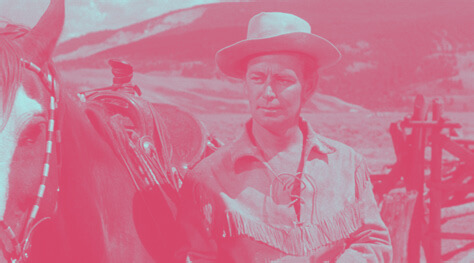
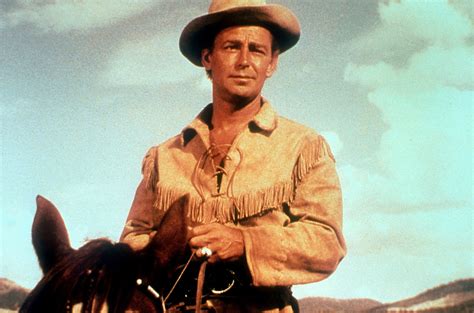
Shane was a very interesting experience for me. I have not seen that many Westerns, but I was aware of their legacy, especially concerning masculinity and the pro-colonialist messages they contained. When I heard this film mythologized violence, I took it to mean that violence was mystified to become an unconscious part of the American ethos. But after having watched the film and reading the accompanying reading, I came to a new understanding about the mythologization of violence; it is not just about how violence is turned into a self-righteous act, but how it makes those who commit acts of violence god-like figures.
The opening shots of the film really intrigued me. They were essentially glory shots of the landscape, which the audience does not get much of as the film goes on. But what I noticed was how the establishing shots made the character of Shane feel infinitesimally small by comparison, like the great frontier could swallow him up in an instant. This is a common trademark in Westerns; the idea of an unquenchable and untamable nature serves as a common obstacle that heroes must overcome through acts of violence and chivalry. Throughout the movie, we get the sense that these characters are essentially trapped in this new frontier, with Joey’s family living in a muddy, rundown homestead controlled by Ryker’s intimidating band. But when Shane comes along, there is a chance for hope, but also unrest. The film’s fistfights were the main highlight for me, because they served to highlight how the characters asserted their dominance over an unpredictable landscape.
Kristen Day’s article on the movie’s mythological counterparts brought to light a lot of the reasons why Westerns are so popular in cinema history. Mainly, Day points out how the violence in Westerns makes the cowboys and gunslingers in the film feel larger than life, and turn ordinary men into quasi-deities. For me, the fistfight between Shane and Joe towards the climax of the film was the most violent one, because up until this point, these characters had proven to be essentially unshakeable, even in the face of terrible odds. The fistfight between Starett and Shane puts this unshakeable nature to the test, because both characters are so insistent on going to face death that it feels as if the world will collapse. The viewer feels claustrophobic, trapped “by the sounds of splintering furniture and shattering glass, or dogs barking, distressed horses whinnying and panicked cattle breaking fences. Stevens’s strategy was to delay the violence, but when it came, to make it ‘startling in its ferocity’ rather than sanitizing the horrors of battle,” (Day 115). In this sense, the violence between the two men extends to become part of nature itself, and the atmosphere feels almost apocalyptic. I felt that this fight scene somewhat held more impact than the fistfight between Shane and Ryker’s men towards the start of the film, because while the men do sustain some injuries, the violence does feel somewhat more justified, especially considering who the two men are fighting against. But in Shane and Starett’s fistfight, it is less clear who the real winner will be, because ultimately, whoever wins stands a high risk of dying. Due to these relatively high stakes, there is the sense that the world the characters inhabit stands on the brink of collapse, and the claustrophobia of nature will inevitably take over.
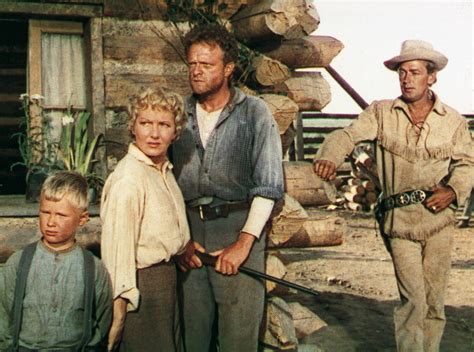
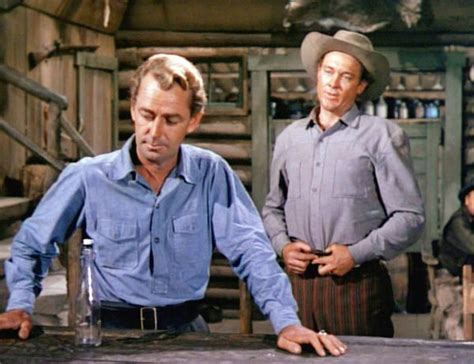

I generally liked Shane for these reasons, because it made it more clear to me how Westerns have essentially become known to be the American equivalents of Greek mythology. The main power in these films lies not in the violence itself, but rather how the violence is used to elevate men into mythological status.
This article was originally written for MS140 PO-01 Screening Violence at Pomona College, taught by Prof. Kevin Wynter.
 BEYOND THE FRAME
Leave a comment