At a 4K Restoration at the SBIFF Riviera Theater, Masayuki Suo’s tale of a businessman learning ballroom dancing is as timeless as ever.
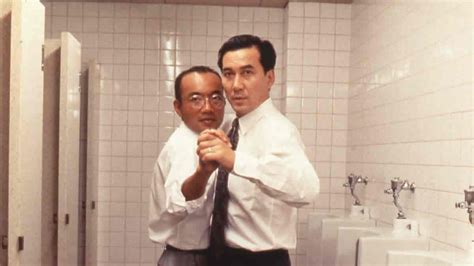
In one pivotal scene from Masayuki Suo’s Shall We Dance? (1996), successful Japanese businessman Shohei Sugiyama dances alone underneath a bridge, while the private investigators his wife hired to follow him look on in bemusement. Without a dance partner, Sugiyama looks as if he’s stuck in a trance he seems reluctant to leave. He repeats the same activity a few scenes later, this time as the rain pours down, soaking through his professional clothes. It’s an odd sight to see on your way home from work, but Shall We Dance? (1996) paints a different picture. Is ballroom dancing strange? Yes. But can it be liberating? Absolutely.
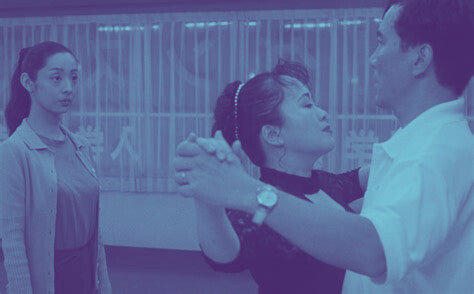
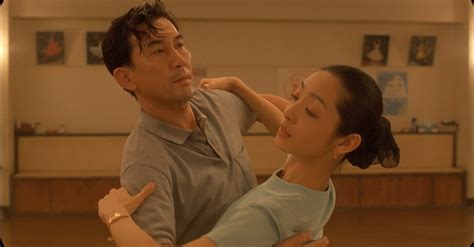
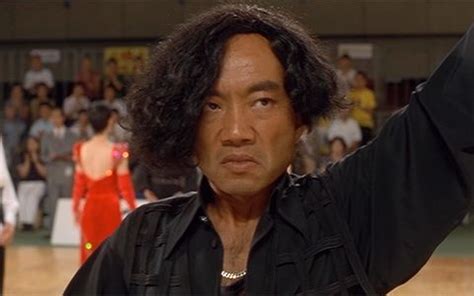
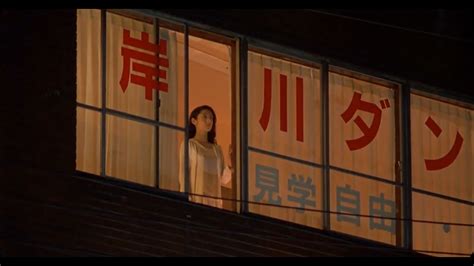
It’s hard to categorize what exactly Shall We Dance is, but at its core, it’s a love story. On his way home from work, Sugiyama sees the melancholy Mai Kishikawa gaze out the window of the dance studio where she works, and decides to sign up for ballroom dancing lessons. However, while the relationship between the aloof Sugiyama and his young dance teacher Mai does have romantic undertones, the film instead chooses to focus on the relationship the characters have with dancing. For Sugiyama, ballroom dancing represents an exciting passion he undertakes to break out of the monotony of his life. Torio Aoki, one of Sugiyama’s coworkers, sees ballroom dancing as a way to become an entirely different persona. For Mai, teaching ballroom dancing is a painful reminder of who she once was: a competitive ballroom dancer who failed just as she was about to break big.
Masayuki Suo’s excellent direction makes the joy of dancing apparent in contrasts. While urban Japan is drenched in cool colors that accentuate the harsh bright lights of restaurants and bars, the dancing center is full of warm light, bringing all the characters together. No matter how sweaty people get or what emotions flare to the surface, all of the dancers are united in their shared passion. Suo also wisely decides to shoot the ballroom scenes as if in a play, with side characters doing wildly funny things when the camera isn’t focusing on them. Even when they’re not performing, the characters are full of life. They’re given even more energy in the 4K restoration, which makes this relic of the late 1990s feel even more relevant.
In the first shot of the film, a quote from Shakespeare’s poem Venus and Adonis is inscribed on a ballroom stage: “Bid me discourse, I will enchant thine ear.” That line might as well be the thesis of this film. Although Japanese society sees ballroom dancing as a purely Western phenomena, Suo shows how the joy of ballroom dancing extends beyond physical movement, and can transform the lives of people who want more out of life.
 BEYOND THE FRAME
Leave a comment