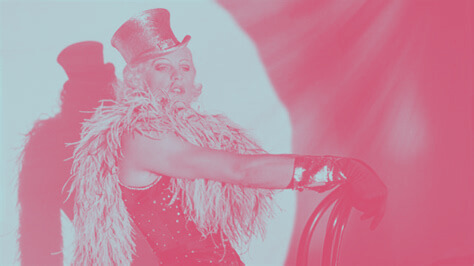
In this repulsing yet alluring look at the decay of the German nobility at the dawn of Nazism, a patriarch’s influence wanes as his power-hungry descendants eat each other for the final scraps.
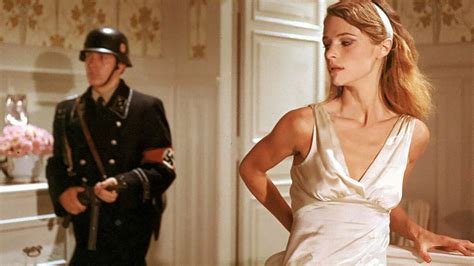
Every now and then, there’s a film that comes along that both intrigues and repulses you. It can be hard to form an opinion after watching it, and you may not even be able to come to terms with it until you’ve read opinions and think-pieces from film scholars and YouTube commentators that have gone through the same ordeal. So when I watched The Damned (1968), the Luchino Visconti film that features a gay orgy between drunken Nazi SA soldiers halfway through the film, I was glad I only read the film essay that came with the Criterion Collection DVD.
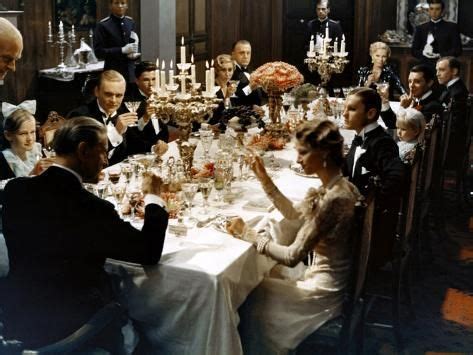
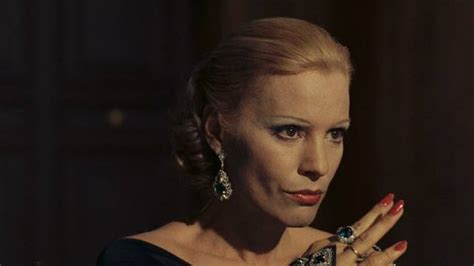
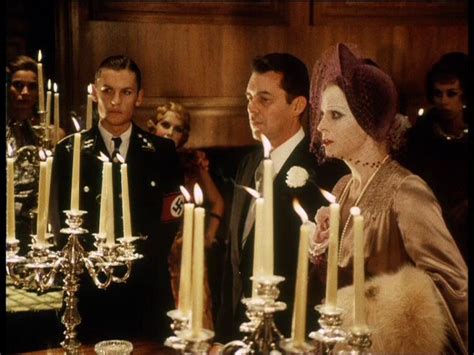
The film concerns the von Essenbeck family, a German bourgeois dynasty in the 1930s whose patriarch, Joachim, runs. He’s also the head of the family’s steelwork company, and after he reluctantly decides to comply with the Nazi officials, a struggle for power grows that tears his family apart. It’s hard to sympathize with anyone in this film; the few characters we are allowed to sympathize with are Herbert and Elizabeth Thallman, the only vocally anti-Nazi members of the family who are absent for most of the film’s growing action. Everyone else is caked full of makeup that hides the growing decay of German nobility, who know that their relevance is ending but are more than happy to throw their lot in with Hitler if it gives them even a modicum of power left. It’s clear that regardless of who wins, no one will truly do so.
As I was going through the supplemental features on the DVD, I found an interview from 1969 between Luchino Visconti and Cinema 70, and the director took a question from an audience member regarding the tragic nature of the film. A man said “You rightly said you didn’t want to make a political film. I think you made a tragedy.” Visconti responded he couldn’t “grasp the difference between tragedy and political tragedy,” (Antagonist Lover), referencing the Shakespearan tragedies the same audience member argued have been interpreted as less political. But I agree with Visconti’s assessment.
One thing tragedies all have in common is characters who can’t escape their fates. For the Essenbeck family, all the characters’ aims at trying to attain the patriarch’s fortune ultimately end up crushing them, and the most perverted member of the family ends up winning everything. In authoritarian regimes, the intricate political machine that ends in total state control inevitably ends up crushing itself to death because it fails to adapt to the changing times. The final scene depicts the “victor” of the family, Martin, robotically raising his right arm in a Nazi salute over the bodies of Sophie and Friedrich. Although Joachim wanted his company to continue to thrive despite the Nazis, the actions of his family with whom we trusted his legacy ensured its complete absorption into the Nazi framework, both personal and political. Not all tragedies are political, but politics are full of human tragedy.
Works Cited: Antagonist Lover. “Visconti Exclusive Interview for The Damned 1969 / Part 1.” YouTube, YouTube, 2023, http://www.youtube.com/watch?v=G3xbiyzHgqA&t=878s&ab_channel=AntagonistLover.
 BEYOND THE FRAME
Leave a comment