Trans identity and Lynchian horror make a perfect match in this film, which subverts expectations to make a true existential story that will linger with you long after the credits roll.
I knew that after I Saw The TV Glow (2024) ended, something inside of me changed. I’m a 22 year-old who just graduated college, and the sudden burst of freedom I’ve been granted with is both intoxicating and destabilizing. Everyone tells me I have my whole life ahead of me, but some desperate part of me also wants so desperately for that part to begin, where I can just live. It’s not enough just to survive, but to thrive. I Saw The TV Glow encapsulates all of this perfectly.
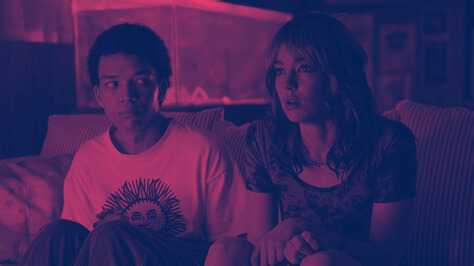
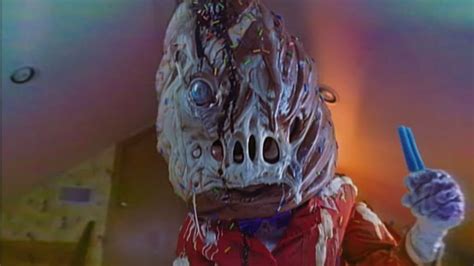
Existential horror is not an easy genre to pull off. It’s not that gore and visuality is off the table, but you have to create this sense that something unknowable and beyond your comprehension is haunting you. And it’s not a monster either–it’s time, space, your social circle, and everyone you know. It’s the concept what the future holds in store for you. For Owen and Maddy, the two teenagers who lead the film, the TV show The Pink Opaque offers an escape from the existential horror of living in the suburbs as isolated trans people. They know they are different, but there’s something beyond their understanding that they just cannot understand. Or unwilling to accept.
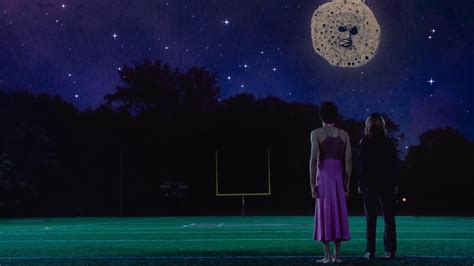
Coated in neon colors, soundtracked by Alex G, and featuring unforgettable songs from Phoebe Bridgers and King Woman, the world of I Saw The TV Glow is both real and unreal. Maddy and Owen are both stuck in a world that looks and feels real, but The Pink Opaque seems “more real than real life.” Actor Jack Haven has stated the film is an allegory for being transgender, and it shines through in each frame. Although Maddy and Owen are outsiders for loving The Pink Opaque and being queer, there is this sense that maybe they are the most normal people in their neighborhood.
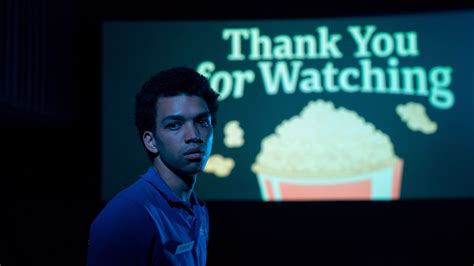
But if The Pink Opaque is “more real than real life”, how far would you go to attain this better reality? Straying away from horror convention where coming out is seen as a source of the terror, the real horror in I Saw the TV Glow is not coming out. Instead of acknowledging who you are meant to be, you could be wasting your time in a dead-end job in a town you never liked, and before you know it, your best years are behind you. That’s not the film is trying to say you should come out immediately and in front of a large audience. But Jane Schoenbrun posits that for trans kids today, the worst horror is not coming out to others, but coming out to yourself. Because if you come out to yourself, you are acknowledging that you have never fit in. But that doesn’t mean you still can.
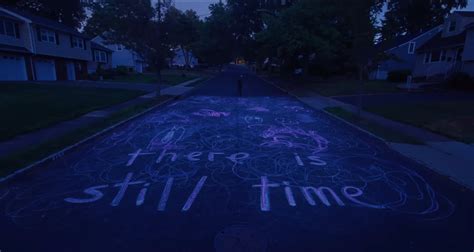
In one scene, the phrase “There is still time” is written in chalk in a suburban street. That phrase might as well be the thesis for this film. What really impressed me about I Saw The TV Glow was not just the existential terror, but the quiet moments of optimism. Even if you think the whole world is against you for being trans or queer, you can come out on your own time. It is never too late. You can find other people who are also queer and trans. There is a whole world out there that is more accessible and equitable than you think. In the candy colored world of I Saw The TV Glow, I believed in these multiple coexisting realities.
 BEYOND THE FRAME
Leave a comment