This synth-heavy yet ultimately disappointing love letter to 1980s “sex = death” stories predicts the future of horror, but falls flat on its message.
The camera spins around as a barely dressed girl wearing red high heels sprints out of her house. Despite her parents’ concern, she grabs her car keys and frantically drives out of her suburban neighborhood. On a beach at night, she calls her parents, letting them know how much she loves them. Later, she’s found dead.
I really wanted to like this movie. There was so much going for it–the psychological terror, the unique cinematography, the paranoia it instills in you, not to mention how it oddly predicted the rise of psychological horror that would come about a few years later with Hereditary (2018) and The Witch (2015). But as much it is a love letter to 1980s horror that equated sex with death, its scares were by far the only interesting thing about it.
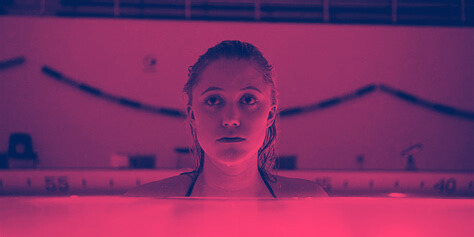
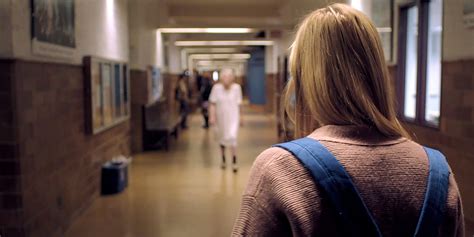
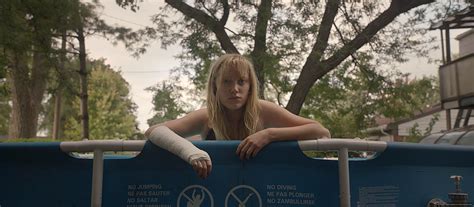
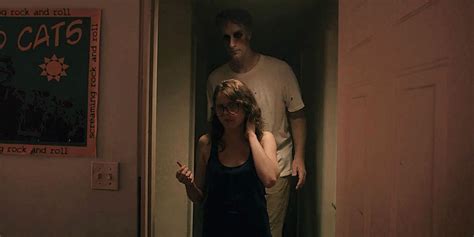
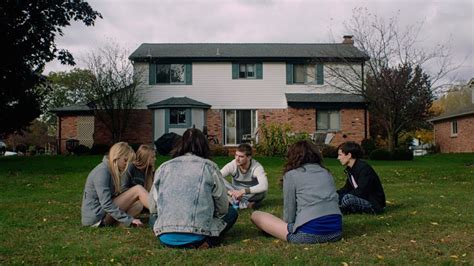
The sense of paranoia the film establishes works incredibly well. The film keeps you looking in the background for any signs of the entity, even when it’s not actually there. It puts you directly in the shoes of Jay Height (Maika Monroe), which is exactly why the Final Girls of the 80s worked so well. Even though they are dismissed by the authorities and by their friends and families, the audience at least knows the threat is there, even if it’s not physical. So the decision to have the climax be a physical fight between Jay and the entity that’s stalking her was incredibly disappointing.
It is possible to have a successful transition between a psychological threat and a physical one. In Hereditary, you’re aware there’s a psychological force terrorizing the Graham family, but you’re unsure what it will amount to until the latter half of the film, and by the time you realize it’s all a cult, it’s too late to warn the characters. In It Follows, the protagonists have one terrifying encounter with the entity and they suddenly know how to defeat it, which none of the other characters who encountered the entity were able to do before. Considering how It Follows is supposed to a sexual assault allegory, the abrupt transition into the entity being physical was a huge disappointment. The trauma of a sexual assault is not just physical, but psychological. Even on the slim possibility you’re able to put an end to the perpetrator, you’re never truly safe in your own body anymore. It’s a shame It Follows didn’t get it.
 BEYOND THE FRAME
Leave a comment