This story of folk songs and fateful queer romance is both a tearjerker and a clumsily structured narrative.
2025 has been a year full of cinema that has touched on music as a force of community and identity. In Sinners (2025), blues became a symbol of shared pain during the Jim Crow era that connected the past, present, and future. Kpop Demon Hunters (2025) doesn’t look at K-pop as an art form, but rather as something that unites fans through their shared love of HUNTR/X. With The History of Sound (2025), two musicians with a love for folk songs decide to collect regional folk songs in Maine on a month-long trip that will haunt them for the rest of the story.
Does it work? Yes and no.
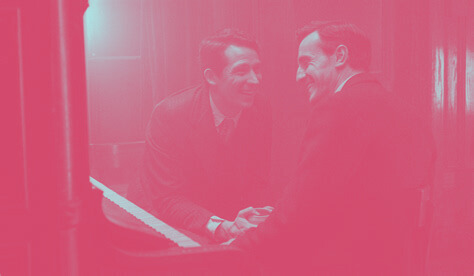
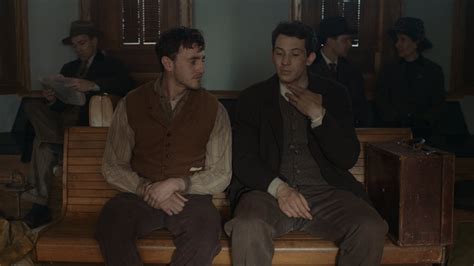
Let’s talk about the things that work. Paul Mescal and Josh O’Connor are terrific leads. Their performances as Lionel and David are so full of tender chemistry it’s hard not to get pulled in. When you hear them sing, you feel like you’re hearing a love confession. When they’re out in the Maine woods, their songs seem to be a secret way of communicating, like their own unique language. Even when they’re apart, there’s no denying they’re still thinking about the other. This film can be seen as a ghost story, with scenes of yearning for a better world and melancholy songs.
This also extends to how folk music plays an instrumental (pun intended) role in the story. The film begins with Lionel’s Kentucky ranch family singing folk songs on their porch, and we go northward to Boston and greater New England, you feel connected to each song being sung. It’s hard not to get pulled into the storytelling on display, augmented by the amazing sound design and vocal performances. It’s even better when Lionel and David join in, and they become essentially a part of the communities they’re recording. It’s a beautiful communal experience, the epitome of folk music.
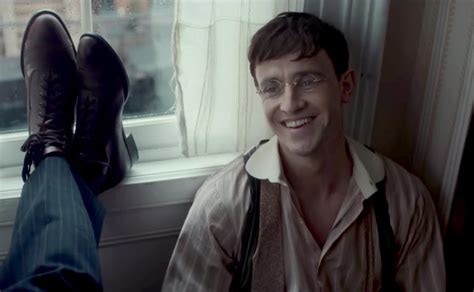
That being said, the main obstacle this movie faces is in its structure. There’s quite a few time jumps in the narrative, which aren’t too big enough that it’s hard to connect with the characters, but you get the feeling like you’ve missed out on important markers in the character’s lives. Moreover, the film goes through a few number of locations, further throwing me off. Although Mescal’s performance makes you feel as though David is with him through every location – such as Rome, Oxford, and back to his native Kentucky – it’s hard to tell where the story is going. One could argue this helps with the themes of searching for something you’ve lost, but for me there were certain sections that could have been cut for the sake of the narrative. If your story is going to wonder, at least make sure there’s a destination.
Furthermore, this film unfortunately delves into a number of clichés regarding LGBTQ+ period dramas. There’s nothing wrong with them per se, but the certain plot points can get tiring if not executed properly, or with innovation. The emphasis on how Lionel tries to cover up his lingering love for David while he’s abroad gets tiring after a while, especially with the inclusion of characters whose sole purpose seems to be existing only to be abandoned later shortly after. The History of Sound keeps harkening back to that time in Maine as a truly wonderful time, but all it does is harken back to other films like Brokeback Mountain (2005), where Jack Twist and Ennis Del Mar’s time in the mountains is seen as the happiest moment in their soon-to-be-closeted lives.
This doesn’t mean the film isn’t a tearjerker. In fact, it very much is, to the point that I was wiping away tears in the film’s final moments. So the movie works, to an extent. But the weird construction of the narrative could throw me for a loop, and there was also this lingering feeling that we’d heard this story before. While I think there’s always space for sad LGBTQ+ stories, there needs to be room to innovate. The History of Sound does have that potential with its exploration of folk music, but its attempts to doing something new besides that fall flat, which is incredibly unfortunate.

 BEYOND THE FRAME
Leave a comment