
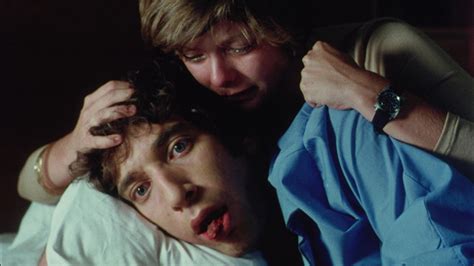
David Cronenberg’s breakout hit makes the sexual freedom of the 1970s a nightmare in this tense horror film that turns luxury apartments into sites of blood and carnage
A lot of horror films, especially body horror films, concern how our relationships with people affect us on a deep, internal level. One thing I’ve noticed while going through the Body Horror Collection on the Criterion Channel is that most of these movies feature broken, or breaking, marriages, and a lot of them grew in the 1970s and 80s. Which makes sense–the Hays Code was formally abandoned in Hollywood in the late 1960s, and socially, norms around sex were being dismantled. But while this film encapsulates that era, it didn’t feel like it could easily translate.
One of the film’s main flaws is also one of its main strengths–none of the characters are particularly interesting. You get a glimpse into what their lives are like on the surface, but you rarely get any deeper. Part of this is due to the large cast, but when people start getting infected, you don’t really feel for them.
David Cronenberg’s direction makes the lack of character depth worth it. Having the main location set in a luxury apartment building on an island in Montreal makes every distant scream you hear frightening, every shower drain and pipe a potential liability. You feel incredibly alienated from the place, and Cronenberg wants it like that. You don’t know what’s happening behind closed doors, and you never want to find out.
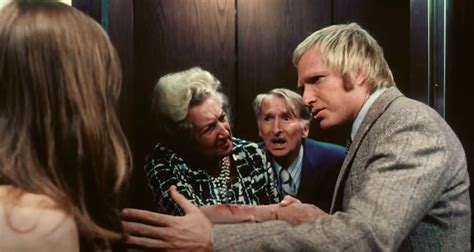
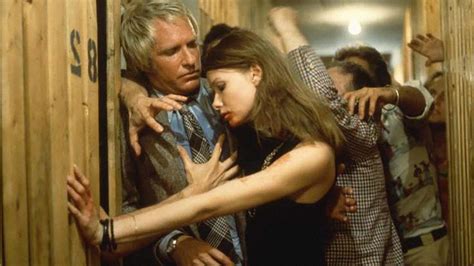
The people at Starliner Tower aren’t people; they’re bodies. They’re bodies with holes that a parasite can easily swim into and infect. Once they’re infected, these bodies will continue to infect others with incredibly potent aphrodisiac qualities. Sex becomes a weapon. Bodies become vessels. And people cease to exist.
Its this cessation of meaning that makes the film so horrifying. The sexual liberation movemet in the 1960s was one of the best things to happen in the 20th century. It loosened the restraints on women and upended normative social conventions that kept people in the dark. But when casual sex became more acceptable, there’s the argument to be made that sex started to lose the profound meaning it could have on people, and sex turned into an object. Instead of bringing more people together through free love, people exploited the progress of the sexual liberation movement to abuse people through sex.
The opening scene of Shivers exemplifies this perfectly. As a young couple prepares to move in, we get shots of Patient Zero struggling to stay alive, but it looks like the doctor with Patient Zero is raping her. Amidst this welcoming atmosphere is a sinister truth, a product of an unhealthy power dynamic.
This film isn’t my favorite body horror, but considering it helped launch David Cronenberg’s career, I’m curious. Morbidly. If you kick off your career with sexually transmitted parasites, what else can you do?

FURTHER THOUGHTS:
- Dr. Forsythe’s dress in the climax was stunning.
- Dr. St Luc’s bleached hair was an absolute atrocity. He looked like He-Man if he had been left outside the fridge for a few days.
- Apparently Canada tried to ban this for obscenity when it was released. Not surprising, but still a loser move.
 BEYOND THE FRAME
Leave a comment