In this pre-code film, divergent paths of African-American success in the time of Jim Crow collide, even if the film can’t overcome the technical challenges of its time.
It’s safe to say we take sound for granted. When we watch something, we tend to assume that everything will line up perfectly, and that dubbing won’t be necessary. It’s not that dubbing doesn’t happen, but it’s mostly seen as a last resort when lines are botched. However, if ever a film needed dubbing, it was this one.
Watching this film required a lot more attention than normal, because although it’s not a silent film, it was hard to hear any of the dialogue. Sound was still a relatively new invention in cinema, so you couldn’t pick up any subtle sounds, like a sigh. It also challenged directors in a stylistic way–they couldn’t afford to do any experimentation if sound was so fragile. But even with these technical difficulties, I found myself strangely captivated.
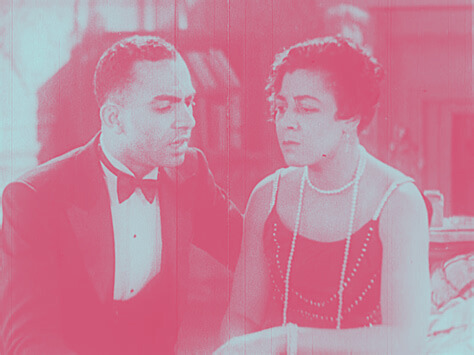
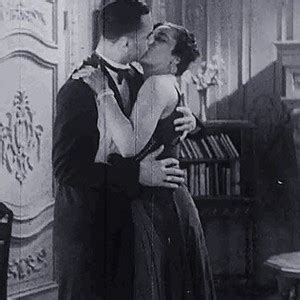
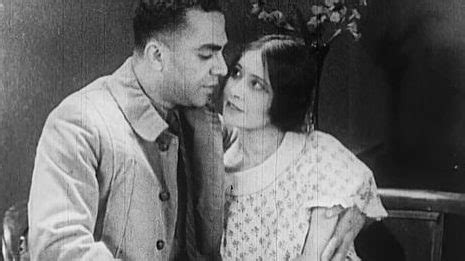
This film revolves around the romance of Jean Baptiste and Edith Duval, two people in Chicago who are trying to find a new path for themselves in the midst of racism and economic hardship. Edith recently bought the house that she used to work in as a maid, and she’s now determined to make some money out of it by turning it into a joint. However, Jean Baptiste is more idealist, and wants to make something out of himself through more upstanding ways. Through their incompatible ideologies, the two break apart.
Director Oscar Micheaux is widely considered the first major African-American filmmaker, especially for his work creating films that dealt with racial relationships. He was part of a wider rand of filmmakers who made race films, which consisted of all-Black casts and were primarily aimed at African-American audiences. It’s interesting to see how he navigates both Edith and Jean’s conflicting ideologies. Jean does get some better opportunities when he moves out West to South Dakota, but he is also unable to enter into an interracial relationship because of the predominately white locale. In Chicago, Edith does have more material wealth, but she does feel like she’s robbed herself of a chance with Jean.
We don’t have much of a chance to truly understand Edith’s point of view and how she came to believe the things she does, but based on the historical context of the film, it somewhat does. Many African-Americans who lived in the South were moving away to start new lives in the North, where they could hopefully improve their lives without the threat of segregation and anti-Black violence looming over their heads. But many African-Americans didn’t find their circumstances improved, and some, like Edith, turned to crime and bootlegging to get by. As such, Edith’s pessimistic attitude is more understandable. She wants to be with Jean, but she doesn’t want her future to be guided by false hope.
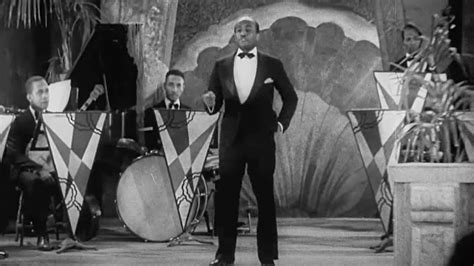
One of the distinguishing factors between Jean’s scenes in South Dakota and his scenes in Chicago are due to the sound. Even though the 1930s technology had a ton of limitations, the film leaves a lot of room for the sound engineers to show off the new feature. There’s a brief interlude where Edith’s speakeasy holds performances of showgirls, tap dancing, and sopranos that make her business come alive. Compared with the static silence of South Dakota that almost seems to override the audio, you can’t help but root for Jean to stay in Chicago.
If you loved Sinners (2025), you would like this one. Not just for the fantastic use of music or themes of racial relationships, but also because it’s about wanting something more than you were given, even if it means straying from the law. It’s about community, and how joints were able to give marginalized communities a way to belong without assimilating. More importantly, though, it’s about love. By the end of this film, that’s what you’ll truly remember.
FURTHER THOUGHTS
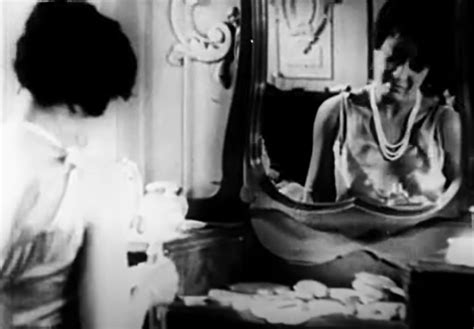
- Eunice Brooks is simply divine as Edith Duval.
- I’m sorry, but the acting in this film was bad. I know sound was new, but I felt like I was watching a middle school play at certain points.
- I am more than willing to buy a chaise longue if it means I can be extra dramatic on it whenever I want.
 BEYOND THE FRAME
Leave a comment