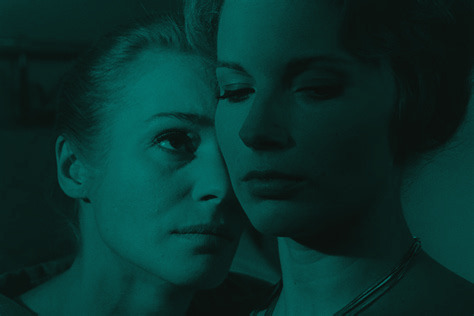
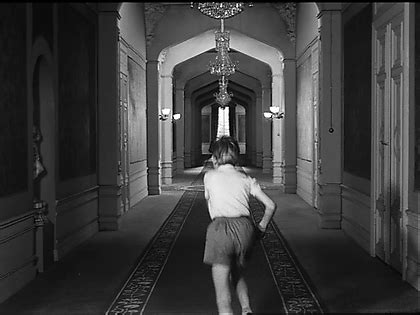
The final entry in Ingmar Bergman’s Faith trilogy, two sisters struggle to connect with the world and each other as a young boy wanders the corridors of a hotel.
After being underwhelmed by Winter Light, I wasn’t sure about The Silence. Ingmar Bergman’s one of the greats, but his films aren’t the kinds you want to watch when you’ve just come home from work. His films are the ones you want to think about for the rest of the week, and the implications you get are the ones that make you wonder about what you are doing in the world, and how your relationship to it can fracture.
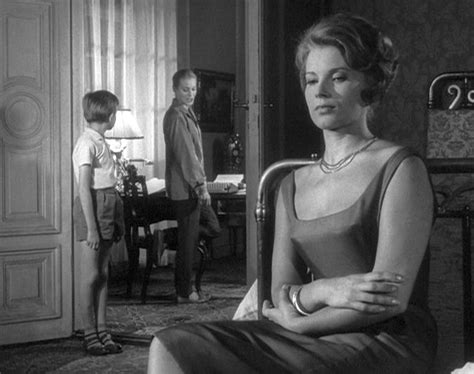
The Silence encapsulates these themes and more through its interesting character studies. Two sisters, the sick intellectual Ester and the sensual Anna, journey with Anna’s son Johan to an unnamed country on the brink of war. As tanks roll through the streets and signs of unrest can be seen, Anna goes out to find someone to sleep with for the night while Johan bonds with a porter and wanders the hallways. Although Anna and Johan share a close bond, he is also drawn into Ester’s unique perspective. However, Anna and Ester’s contentious relationship is reaching a fever pitch of resentment and jealousy.
You can look at the characters of Ester and Anna in a number of ways, which makes for an interesting viewing experience. On one level, you can think of Ester’s translator academia as a proxy form of religion that makes her unable to truly connect with others without judgment. You can then view Anna’s free-spirited and sexual nature as more carnal and real-to-life, as she doesn’t just want fulfillment in one place or with one person. She wants to find it anywhere she can, even if it’s in the arms of a man she’ll never see or think of again. But although Bergman is using these characters as oppositional forces, I like to think that they are meant to complicate, rather than to complement, this black-and-white distinction.
What Ester and Anna are looking for is contentment. This is most clearly seen in their interactions with Johan. Johan is a young boy who is seeing the world through unclouded eyes, a perspective the sisters can’t relate to. Anna sees other people as a way to get what she wants, whereas Jonas sees other people as curious creatures who have hidden secrets and histories. Ester, as a translator, likes to pick out people’s words and discover nuances in people’s behavior. But Jonas isn’t always analytical. When he sees his mother alone with another man, he gazes indifferently and then asks Ester why she hates her. When Ester meets with Anna in the same room, she admonishes her and calls her “poor Anna” condescendingly.
Films told partially from the perspective of children is a genre that has always fascinated me. You would think children are more naive and innocent, which can be a great tool to make a story more tragic. It’s another thing entirely to make the children more intelligent than the adults, not because they instinctively more about the world, but also that they are able to perceive things more bluntly. They haven’t discovered morals or ethics yet, but that doesn’t make them less intelligent. When children come-of-age in these narratives, they reveal a new layer of humanity within the other adult characters.
There’s an interesting scene when Johan stumbles upon an acting group of little people in the hotel he and his family are staying at, and instead of walking away, he reaches out. While they are at first surprised, the little people accept him with open arms, dressing him up and putting on a performance for him. They do perform at a variety show Anna later sees, but their interactions with Johan show they’re not just performers. Instead of being vessels for entertainment, they are something of another band of travelers similar to Johan, looking for somewhere to belong although they’re not sure where that is yet.
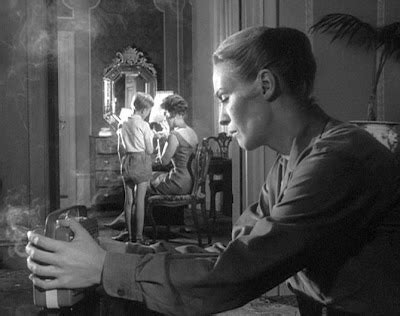
Anna and Ester are both adults, but they’re in some ways more childlike than Johan. They do care about one another, but that care is hanging on by a thread due to petty ideologies and outlooks. They’ve put up enough smoke and mirrors to distort the other’s image. When they do look at each other, they isolate one part and amplify it to the detriment of the others. On the other side of the mirror is Johan, witnessing two people with similar dispositions push each other away. As a tank rolls down a street at night, a war is settling a cold end.
FURTHER THOUGHTS
- I know Anna’s not a good person, but I’d be lying if I didn’t say she looked absolutely gorgeous while doing so.
- If you combined Anna and Ester into one person, you’d essentially get Lana Del Rey.
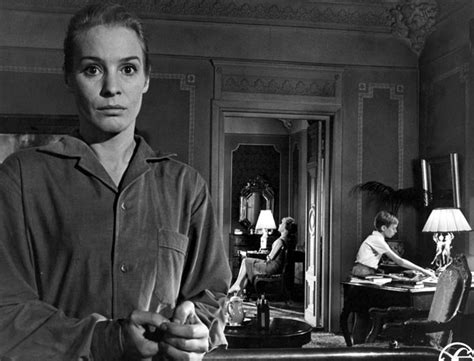
- I love the framing in this. Sven Nykist strikes again!



Leave a Reply