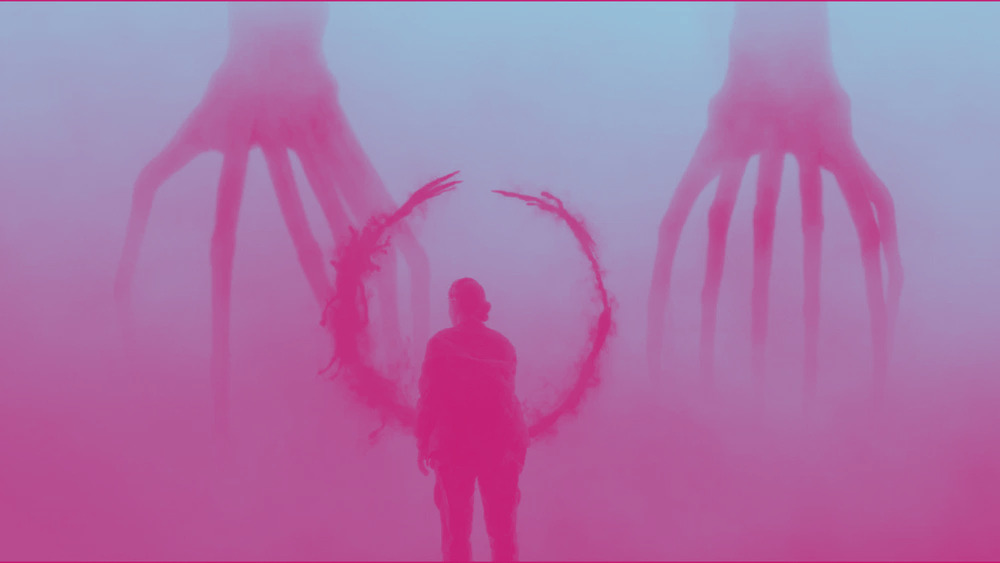
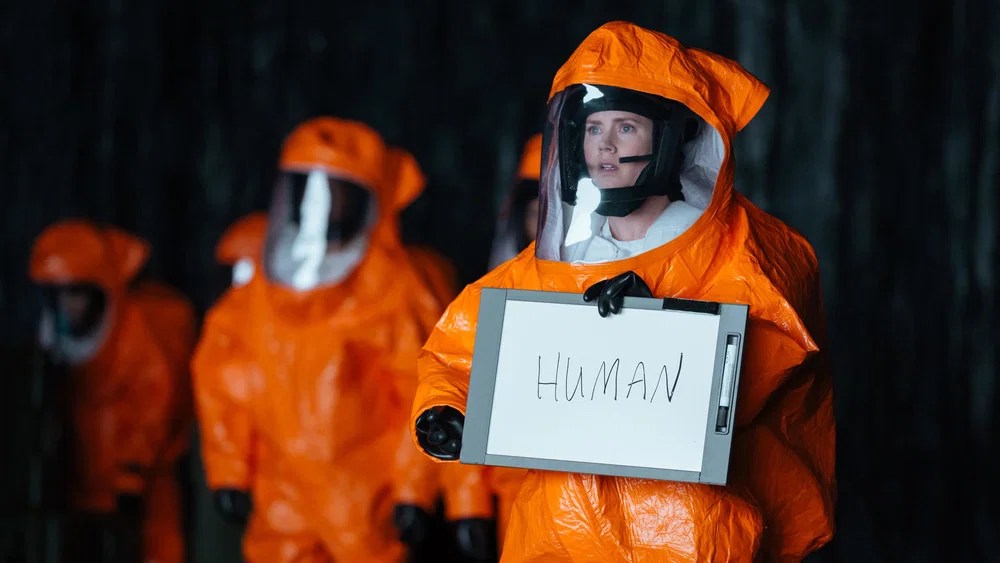
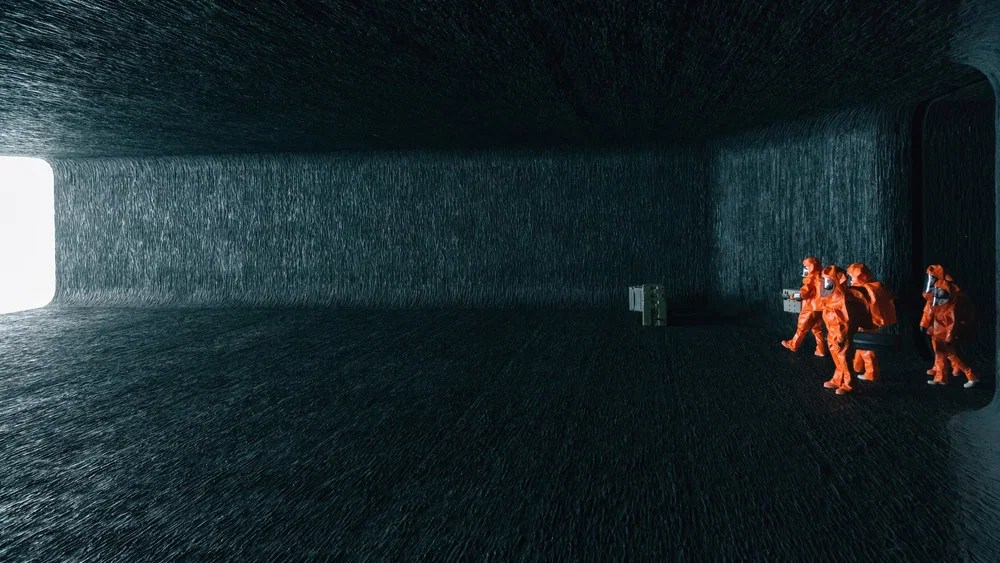
Professor Louise Banks is about to start a regular class on Portuguese language when one of her students asks her to turn on the TV to a news channel. She does so, reluctantly. Louise is the kind of woman to drift through life, besieged with grief ever since the death of her daughter from cancer. But when she looks at reports of aliens touching down on Earth with an ambiguous purpose, she realizes her life will never be the same again.
If you want to look at why the Dune franchise has been such a success, it’s likely because of Denis Villeneuve’s direction in this film, where he takes a familiar concept and turns the pathos up to 100%. When Max Richter’s heartbreaking “On The Nature of Daylight” starts to play in the opening frames, you know this is not going to be a film that relies on spectacle. This is a film that is attacks it head on.
Alien invasion narratives have often been used as an allegory for the supposed threat of the Other. However, in Arrival it is the humans themselves that turn into the Other once the real aliens arrive. Around the world, people have wildly diverging reactions. While governments react with constant communication, authoritarian governments respond with shows of military strength and aggression. Students worry about their future. Conspiracy theorists rave about the ineptitude of the government in response to the crisis. All the while, the military surrounding Louise is listening. Her conversations with the aliens aren’t the only consequential piece of communication in the film–it’s between the humans as well.
The sound design works this in with great effect. When Louise first enters the military base, the sound of keyboards clacking and walkie-talkies garbling resembles alien communication. This is not a world that Louise knows. When she begins her conversations with the aliens, a bird trapped in a cage chirps along, turning into a Geiger counter for the escalating tension. What is normal to us is no longer normal. It’s not just the aliens’ presence that is disorienting, but the presence of people who can’t comprehend what they’re seeing pretending they do.
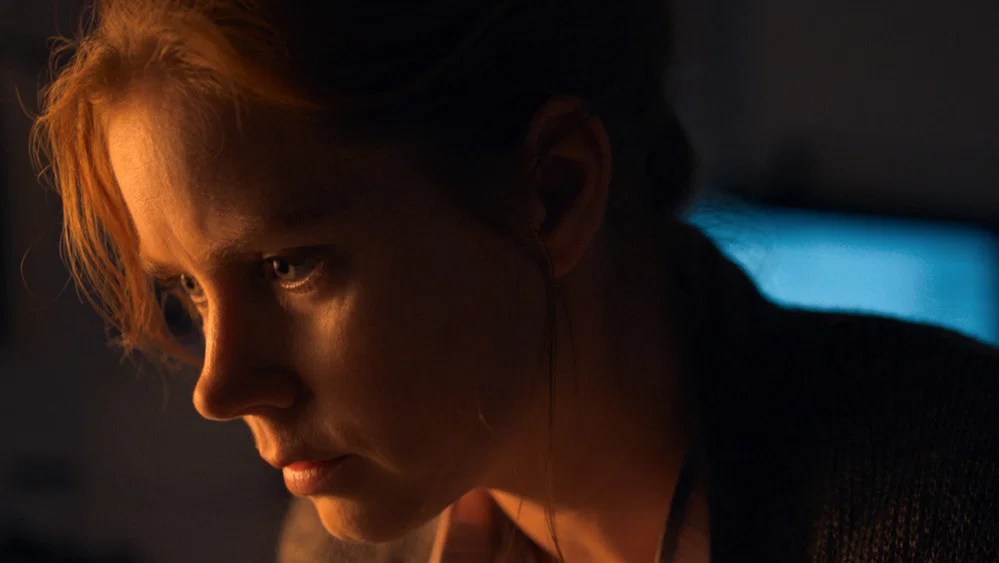
Amy Adams’s performance, while snubbed by the Academy, is one of the best in the sci-fi genre to date. Louise Banks would normally be the fish-out-of-water character, but Adams imbues her with a passion and quiet determination that makes her stand out. When the military is pressured to prepare for attack, Louise encourages caution, even if it means she is no longer seen as a reliable source. She is also to put her life in the line, even if it means she will come back from the experience a changed person. The flashbacks with her daughter that reappear throughout the film add more pathos to her journey. The aliens’ arrival is a canon event in her life–there was before, and then there was after.
With Arrival, Denis Villeneuve makes a fantastic case for sci-fi not just being a genre with which to make money. The Star Wars sequel trilogy came out nearly a year before this film did, but whereas that franchise was undone by corporate interference, Arrival survived by being a great standalone story with outstanding performances and terrific cinematography. This isn’t a story about us vs. them, but a story about how humanity survives when fracturing powers threaten to render us apart. That’s what makes Villeneuve such a fantastic sci-fi director. He’s not solely invested in spectacle, but how the spectacle informs the story.
FURTHER THOUGHTS
- This film did the rare feat of making me willing to accept a hug from Jeremy Renner.
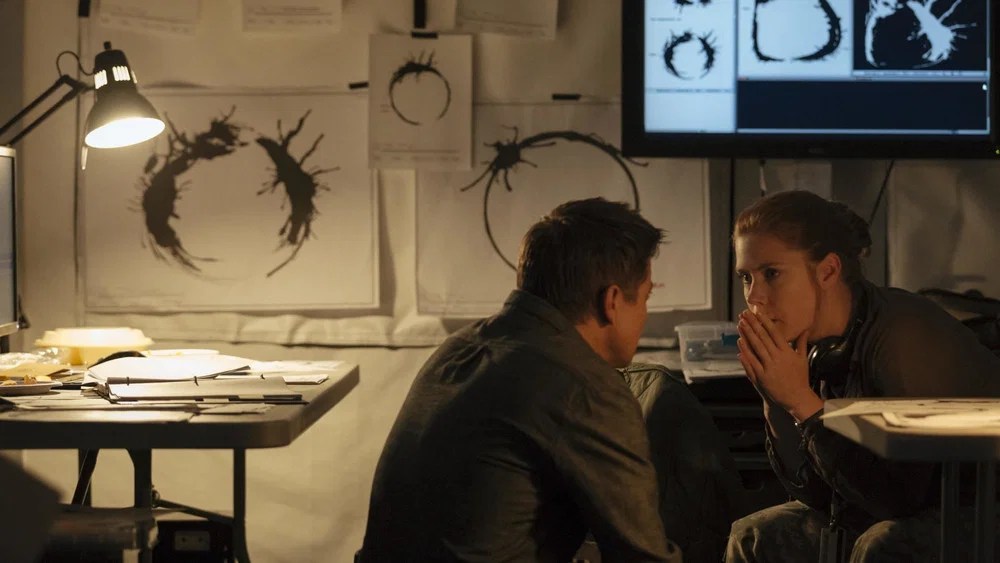
- Abbott and Costello would kill at making Rorschach tests.
- I was going to say how scenic that made Montana, only to find out they filmed in Canada. That makes a lot more sense.


Leave a Reply