The first time I watched Ashes and Diamonds (1958), I was taking Russian and Eastern European Cinema class in college, where I was introduced to a dizzying array of films from countries with complex social and political histories I’d barely had time to learn about. With the other classes I was taking, Ashes and Diamonds kind of slipped out of my grasp. For me, it was just an assignment. Until I saw it with audio commentary courtesy of Annette Insdorf, a film historian. Suddenly, I was hooked.
I’ve never been one to listen to commentary before. It’s not that I don’t like rewatching films to learn new information, it’s just that sometimes audio commentary can read more as filmmakers and scholars butting interrupting a film you’ve seen before to tell you the themes of what you’re seeing. In a way, it is somewhat spoon-feeding you. But sometimes, you’ve got to eat your vegetables.
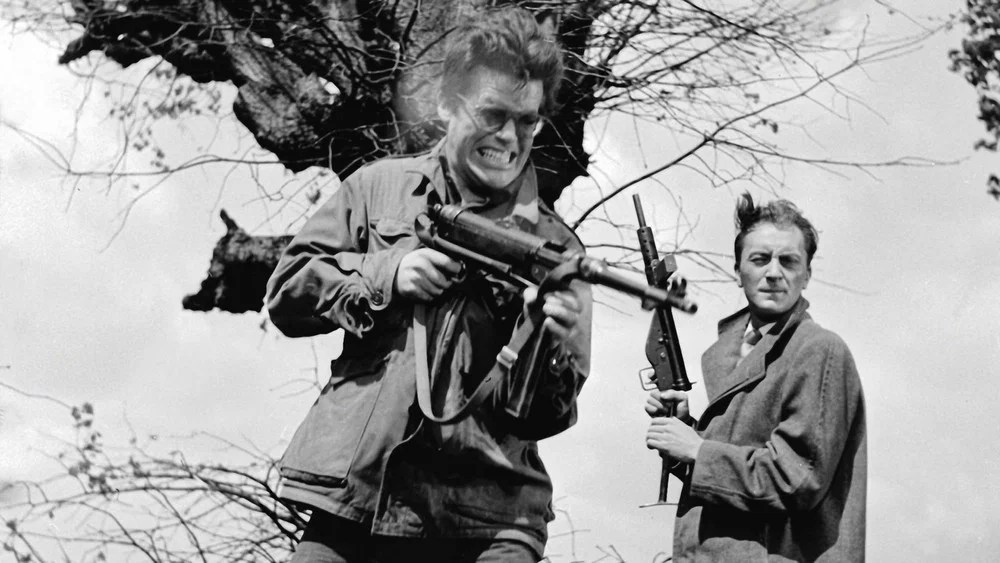
Ashes and Diamonds takes place right after Poland has been liberated from the Nazi occupation and is striving towards independence after years of being ruled by other nations. However, on the eve of the end of World War II, Communist factions are gathering to decide the fate of late-20th century Poland. Two soldiers from the anti-Communist Home Army, Maciek and Andrzej, are sent on an assignment to assassinate Szczuka, the local Communist authority who’s in charge of gathering all the Soviet representatives in the capitol. After they apparently make the shot, they go to a hotel to witness the celebrations, only to realize that they shot the wrong man, and they have until the following morning to kill Szczuka.
Annette Insdorf really knows what makes this film stand out. She not only outlines the political turmoil embroiled in Poland foregrounding the film, but she only makes sure to highlight the unique camera and narrative choices that director Andrzej Wajda uses to illustrate the deeper meanings. For example, the deep focus and emphasis on two shots instead of cutting between two characters means that Wajda can allow multiple characters to exist within the same frame. Instead of letting the editing separate the characters, everyone lives in their own world. It also turns the hotel at the center of the story a microcosm for Poland itself. Everyone is glad the Nazis are gone, but no one is sure what’s going to happen in the morning.
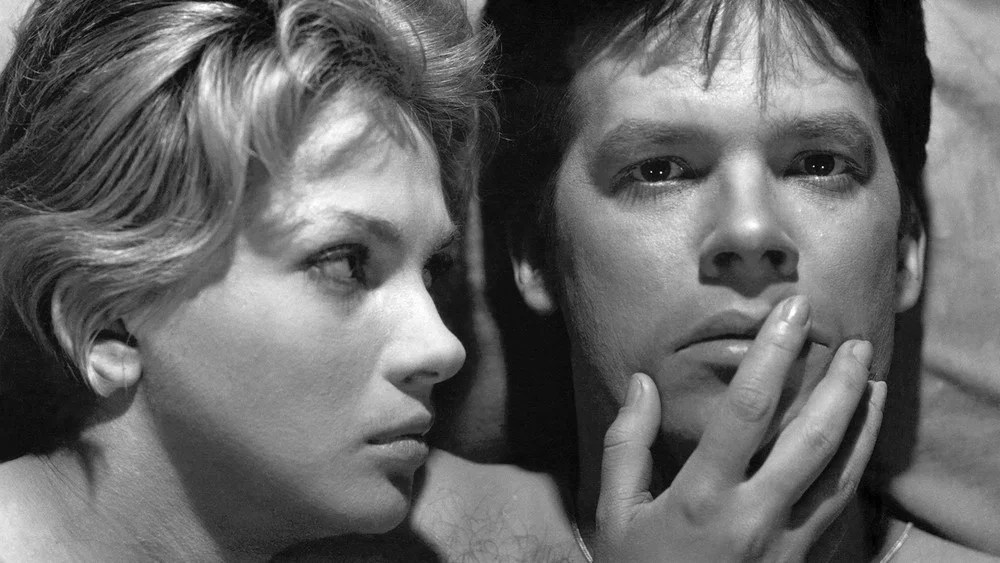
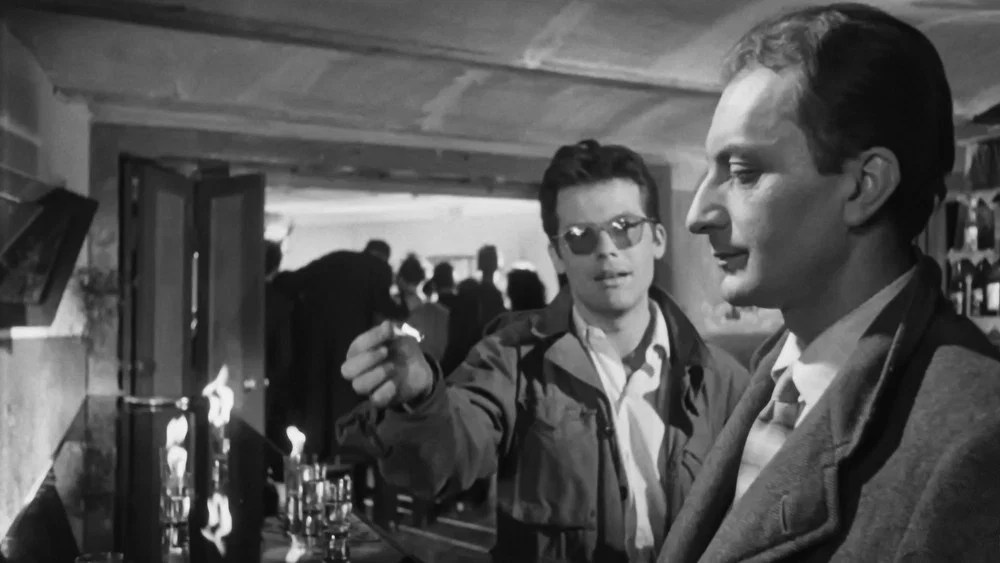
Insdorf makes sure to highlight Zbigniew Cybulski as the main star of the film, and for good reason. I never realized how sexy his portrayal of Maciek was in the film. And that’s not because he’s attractive–it’s also because the way he moves is body makes you understand his motivations. He’s cavalier throughout the first half of the film, but as the dawning of his mission consumes him, his indecision over whether to pursue Kryztyna or to follow through tears at him.
In many ways, Maciek is still a teenager who wants to go on dates and fall in love. He knew what he was doing in the war because everybody else dictated his orders for him. Now that the war is over and most of the people who could empathize with him are dead, what can he do now?
When we talk about the aftermath of international conflicts, a lot of discussion swirls around physical casualties, both of people and of infrastructure. However, it’s also crucial to note just how hollow war can leave people in terms of what they want to do. War doesn’t just leave people traumatized by what they’ve seen, but what they’ve seen they can do. Killing someone becomes another part of your job in war. No one talks about how hard it is to find a job when you’ve aged twenty years in five. As hard as Maciek tries to fall in love, he finds himself pulled toward the brink of destruction.
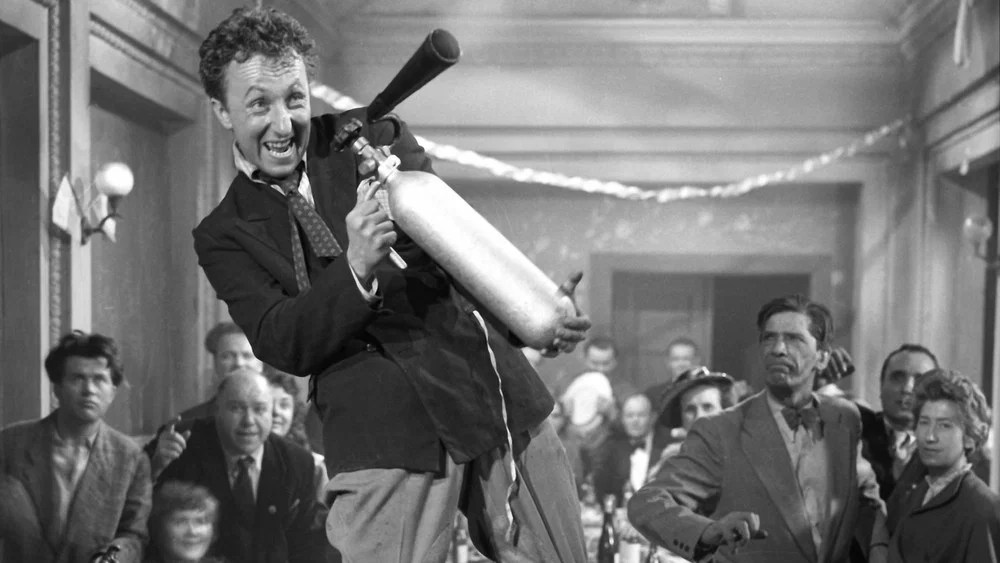
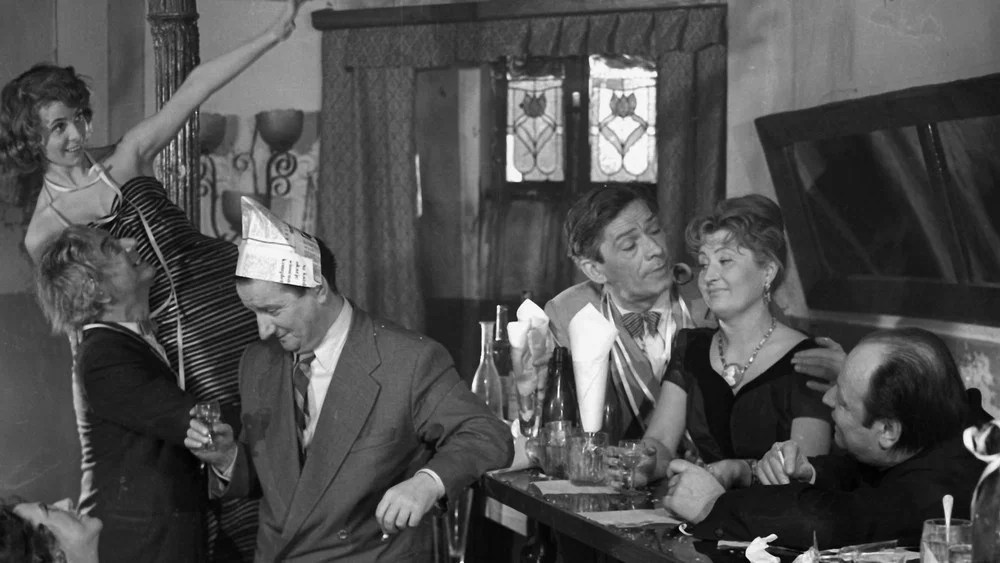
Most of the other characters in this story find themselves in this way. As Soviet Communism dawns on the rest of Poland, two side characters, Drewnoski and Pieniążek, get utterly wasted as they realize what their new lives are going into. Both men fought for the freedom of their country from tyranny for the last decade, only to see that the rise of Communism means that their country will lose it once again. In a funny sequence that will remind people of Daisies, they crash a dinner of elite party members and trash the place, making fools of themselves and writing themselves an early career death. The thing is, they couldn’t care less.
As Insdorf makes clear, Poland has always had an identity crisis. Their declaration of independence in Ashes and Diamonds is both a celebration and a cause to mourn. Poland is finally free, but so many countrymen have died for their homeland, not just in one global war. They’ve been conquered by empires and nations for decades and centuries before. They fought side by side with the Soviet Union only to get slaughtered by them at crucial battles in WWII.Even when directing this film, Wajda found himself at odds with Communist censors. In the process of retelling Poland’s personal story, the filmmakers had to work with the cards stacked against them.
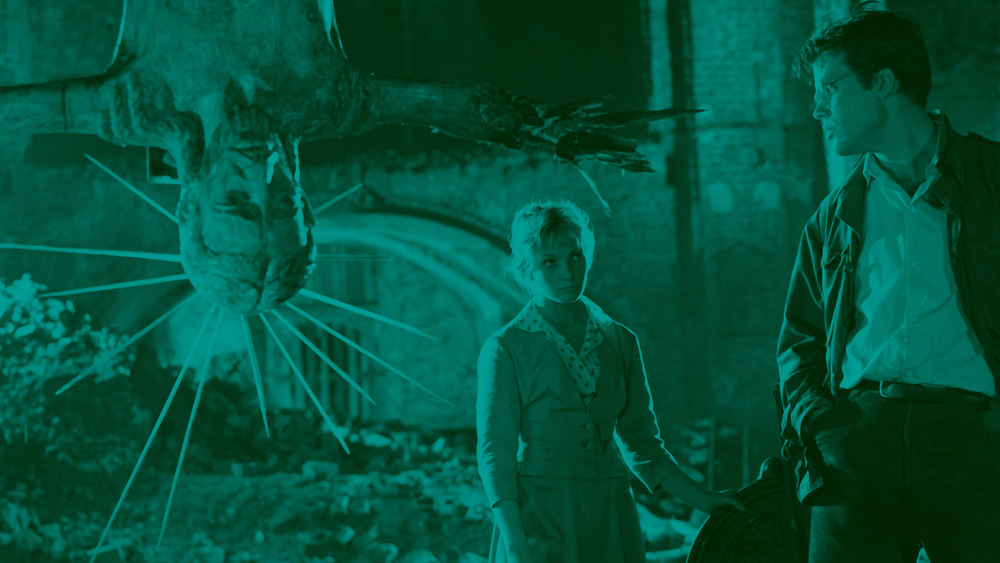
Yet when I watched this film again, I started to realize all the details I missed the first time around. Easter eggs are fun when you’re watching a franchise film, but they go much deeper with a film like Ashes and Diamonds. Maciek isn’t just fighting for his future, he’s fighting for his identity. Kryztyna is on a similar track, although her work as a barmaid means she will always be seen as an accessory that can be borrowed at any time. The bar might be lovely underground, but on the streets the churches are bombed and trash lies everywhere. The drinks are flowing and music is playing, but in a church, there’s a statue of Jesus turned upside down.
FURTHER THOUGHTS
- Maciek looks better with his glasses on.
- If I drank as much liquor as the people in this film did, I would not be alive in the morning.
- Watching the new Resident Evil film after this gave me some serious whiplash.




Leave a comment