It’s safe to say that it’s getting harder to protest now. It’s not just that the issues seem impossible to change on a ground level, but there’s a general sense that everything we do won’t change anything.
Everybody to Kenmure Street shows an alternative.
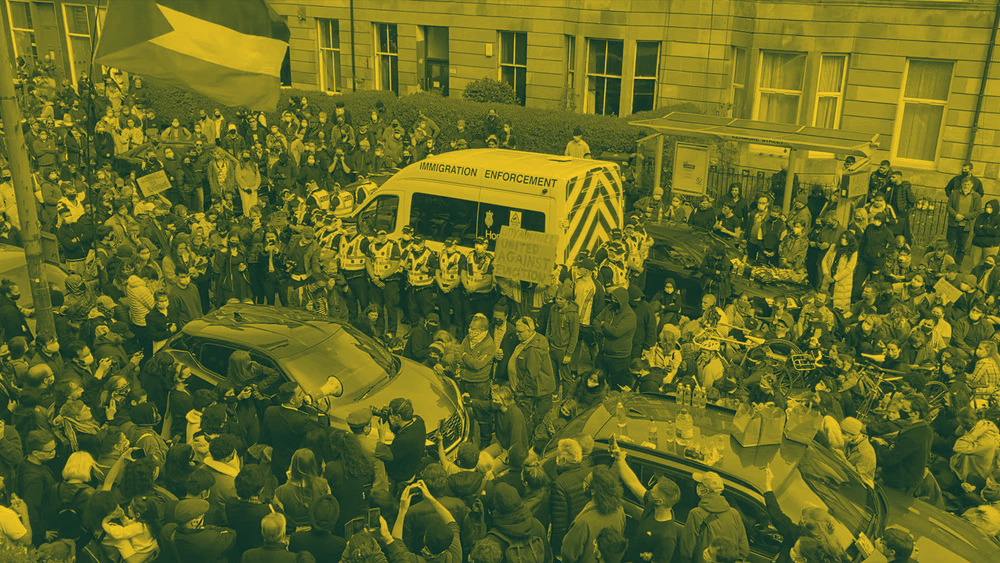
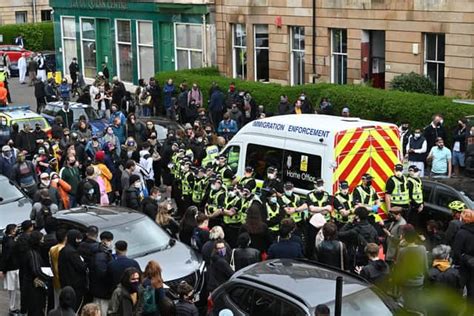
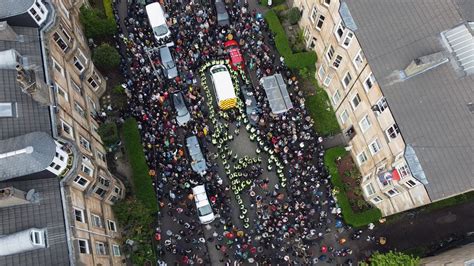
On the final day of Eid in the Pollockshields area of Glasgow, two men were detained by Home Office immigration officials as part of a policy meant to encourage immigrants seeking asylum in the UK to “leave voluntarily.” In other words, self-deport or be deported. At 9:00 in the morning, Pollockshields neighbors were in the midst of their routines when they realized what was happening. This wasn’t supposed to happen. Why were these two men whom they’d known all their lives being detained? What had they done wrong besides participate in their communities? And on the final day of Eid, nonetheless?
One man crawls under the immigration van holding the two detainees and grabs onto the axle, refusing to let go to detain the van from leaving for as long as he can. People at the scene start letting their friends, family, and others know the situation. This isn’t going to stand. Soon, what was supposed to be quick detention turns into a rallying cry for justice and community.
Using footage from phones and cameras, Everybody to Kenmure Street documents what happened, with Emma Thompson and Kate Dickie stepping in as the Van Man and the nurse helping him, respectively. We hear directly from the people who were there, from the ones who were first on the scene, to the mosque-goers who were getting ready to break their fasts only to be met with a shocking intrusion by immigration officials.
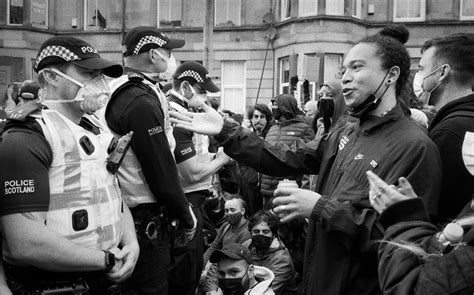
I was ready for the shoe to drop at any moment during this film. The US has had its share of peaceful protests against unlawful immigration detentions this past year, but there’s a general sense that there’s only so much we can do. Even if you do go to a peaceful protest, part of you is always worried that something could happen. There are a few moments during Everybody to Kenmure Street where I was holding my breath. The phone footage makes you feel like you’re directly at the scene. As more police arrive at the scene and things start to get confrontational, you start to wonder if the peace will hold.
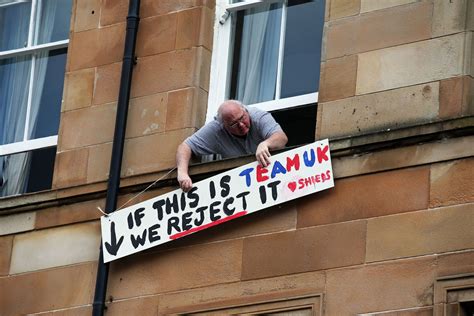
Yet this film never lets you lose sight of the optimism. As more people start to gather, people bring chips and water, as well as pamphlets reminding people of their rights. Local leaders start reaching out to their representatives, keeping them informed of the situation. And it says something that despite everyone being on their phones all the time, the constant documentation of the event means that the power of media resides with those being affected by state violence. Throughout the film, the protesters remain defiantly optimistic. They don’t know how long they’ll be there, but they’ll be there as long as they are.
I appreciated how much this film foregrounds the protest traditions of Pollockshields and Glasgow permeated into what happened on Kenmure Street. Several people interviewed for the film are the descendants of suffragettes and labor strikers who kickstarted the 20th century of Glasgow, and the Glasgow Girls (who successfully petitioned for the release of their detained friend while they were in secondary school) also attended the Kenmure Street protests. You feel that for the residents in Pollockshields, fighting for what’s right comes in their blood. It doesn’t feel like a happy accident they all came together for their neighbors. It feels like fate.
That being said, the film does suffer from some pacing issues. It is necessary to foreground social movements in history so people know where and how we got to this point, but the historical detours into how Glasgow was built through the Atlantic slave trade slowed the film down considerably. I found myself more fascinated by the local history and testimonials by the protesters rather than a broader-scope look at how systems of injustice created modern-day Scotland. It’s interesting, sure, but that’s more the subject of a Ken Burns documentary than Everybody to Kenmure Street.
And look, I love Emma Thompson and Kate Dickie, but sometimes their interludes of the Van Man and the Nurse could feel a bit distracting. We hear audio-only testimonials from the detained men inside the van, and since it’s with only a black screen, we feel immersed in their experience. They could only hear what was happening outside. But with the Van Man and the Nurse, it’s obvious that Emma Thompson and Kate Dickie are not actually there. Had they done a voiceover of the testimonials, they could have been more seamlessly integrated into the story. There’s also the implications of bringing two famous actresses into what happened on Kenmure Street. I don’t doubt their passion for the project, but when you bring in celebrities into a grassroots social movement, you risk diverting attention away from the people who were actually there.
And as optimistic as this film’s ending was (I don’t consider that a spoiler, you can look up the outcome online), I think the film missed the opportunity to comment on the broader scope of the “hostile environment” anti-immigration policy enforced by the UK Home Office. Kenmure Street was the exception, not the rule. Only three people were arrested, and there were no serious injuries or everlasting trauma. However, anti-immigration sentiment in the UK is still an entrenched problem. Even if the Labour Party is now in control of the UK government, Reform UK and that motherfucker Nigel Farage are still going strong. Here in the US, there’s a constant worry of being complacent when it comes to standing up to ICE and the Trump administration. You can’t just show up to a No Kings march and call it a year. You’ve got to keep showing up.
That’s what Everybody to Kenmure Street gets. Even if you’re scared, you show up when it matters. And it always matters.

FURTHER THOUGHTS
- That guy who missed his bio class to sit-in and ended up getting a D in biology is a legend.
- I studied abroad in Glasgow in spring 2024, and I’m glad I went. It’s a great city.
- This was a better film to convey Scottish pride and defiance against the English than Braveheart.




Leave a Reply