This awe-inspiring yet insidiously horrifying tale of a fringe online subculture is the perfect blend of creepypasta and gender dysphoria.
Ever since I saw Jane Schoenbrun’s I Saw The TV Glow (2024) at the Carsey-Wolf Center last year, I knew I had to see their debut, We’re All Going to the World’s Fair. It had piqued my interest a long time ago based on the premise alone, so I had no idea what to expect. Well, after finishing it, I’m confident that I still have no idea what happened.
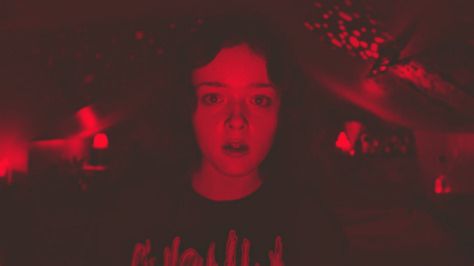
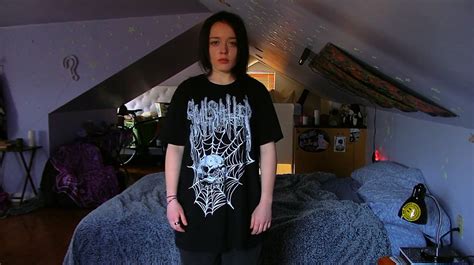
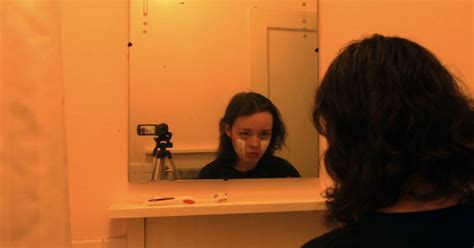
Like I Saw The TV Glow, World’s Fair tells the story of an isolated teenager seeking comfort and community through digital media, this time through a fringe online subculture complete with creepypastas and strobe lights. Casey lives with their father we only hear offscreen, and their existence is pretty blank. But once they utter the phrase “I want to go to the world’s fair three times,” prick their finger and smear their blood on their computer screen, they are about to go through a journey that will take them to the brink of insanity and back.
For a film that takes place almost entirely on the Internet, this feels very post-pandemic. It’s not just the isolation and general alienation from the rest of society. It’s how the boundaries of who you are can either come together or deform into something horrible when you’re completely absorbed online. However, the solution isn’t to “go out and touch grass,” because this digital language might be the only way you can understand yourself. Touching grass just isn’t an option anymore. Once you dip your toes into the rabbit hole, you have no choice but to succumb to it.
Casey’s an interesting protagonist. For a character with little to no backstory, Anna Cobb’s engrossing performance draws you in and refuses to let you go, much like the titular online challenge. The first scene has them stare into the camera unflinchingly, as they recite the three lines that will determine their journey. You feel like you’re watching the video live, and there’s both a sensation to tell them to stop and for them to continue. Most disturbing of all is the feeling like they’re staring back at you. Unlike the Internet itself, Casey dares to gaze back.
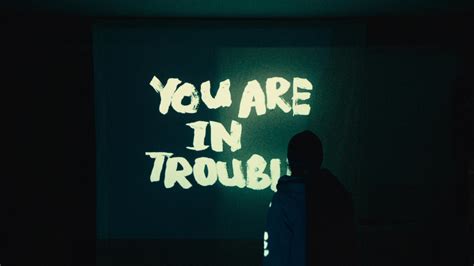
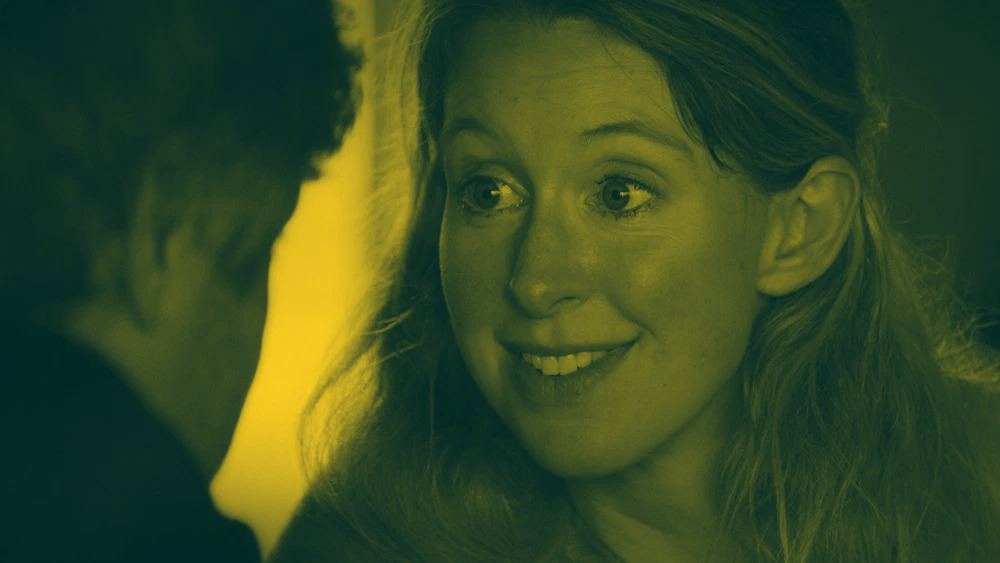
However, Casey’s not alone. There’s JLB, the only other character we see onscreen. We first see him through a Skype call with Casey, with his profile picture being a creepypasta with a dastardly smile. He doesn’t turn his camera on, leaving Casey to talk to a monster behind a curtain. What’s even scarier is that we don’t know whether he is or not. He seems normal when Schoenbrun cuts to him outside of the world of World’s Fair, but the banality of his appearance makes him somewhat more unnerving. Does he genuinely care about Casey’s deteriorating wellbeing? Does he want something? Does he desire something? Much like a flickering computer screen, we can only guess.
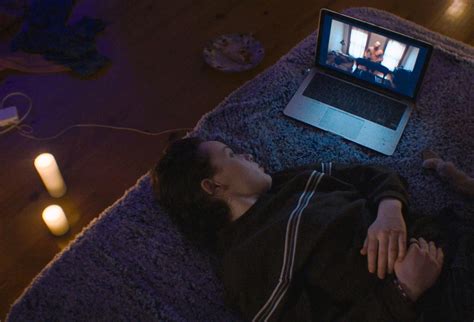
People tend to think of the queer/trans experience online as being something of a paradise, considering how hard it was to find other LGBTQ+ folks when we had to talk to people. But Schoenbrun shows how unsettling the digital life can be. Watching Casey’s descent into the World’s Fair canon feels like watching someone’s apocalyptic log. They start with vlogging, only to descend into smearing toothpaste on their face and screaming into an abyss. It starts with authenticity before transitioning into something near exploitation. Add in a suspicious middle-aged man named JLB following Casey’s videos, and you have a new level of fear.
However, Schoenbrun doesn’t make the case that the Internet is a scary place where exploitation happens every corner. Rather, they make the more damning case that the Internet is just a reflection of the inner turmoil queer/trans people face inside. The world of World’s Fair is fraught, full of people who are either completely sure of themselves or on the brink of collapse. There’s no position to explore the inbetween, which Casey desperately needs. You’re either plastic and fantastic, or on the bathroom floor pulling a ticket stub out of your decaying arm.
We’re all going to the world’s fair, but will there be any attractions?
FURTHER THOUGHTS
- I’m so excited for Gillian Anderson to team up with Schoenbrun in Teenage Sex and Death at Camp Miasma. No greater queer icon than Scully!
- There’s a distinctive Eighth Grade feel to this that makes me wonder if Bo Burnham had a hand in this.
- The third photo on the right reminds me of a student film I made in college.


Leave a Reply