
Despite its familiar premise and setting, The Christophers prove that stories about steadfast generations colliding can always be emotionally insightful if they allow themselves to be.
Steven Soderberg is a name that’s both eluded me and surrounded me for a lot longer than it should have. I knew he was one of the first leading voices in the American independent film movement in the 1990s, with sex, lies, and videotape being the first film to receive widespread recognition from Sundance. I’ve also heard of Erin Brockovitch, the Ocean’s trilogy, the Magic Mike franchise (I truly was not expecting that), and Traffic. But this is strangely my first experience with Soderbergh, and now I’m kind of ashamed, because this was really good.
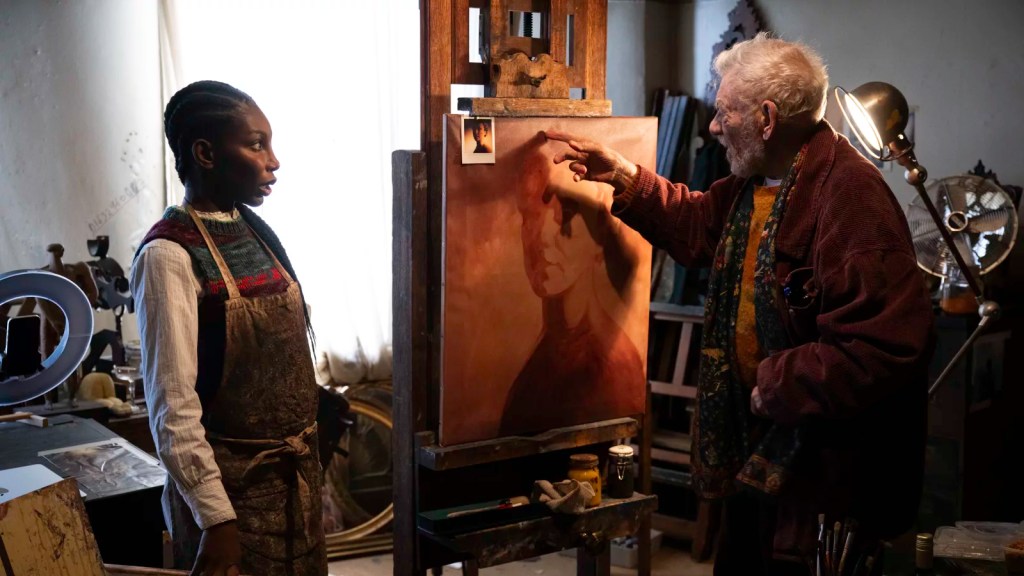
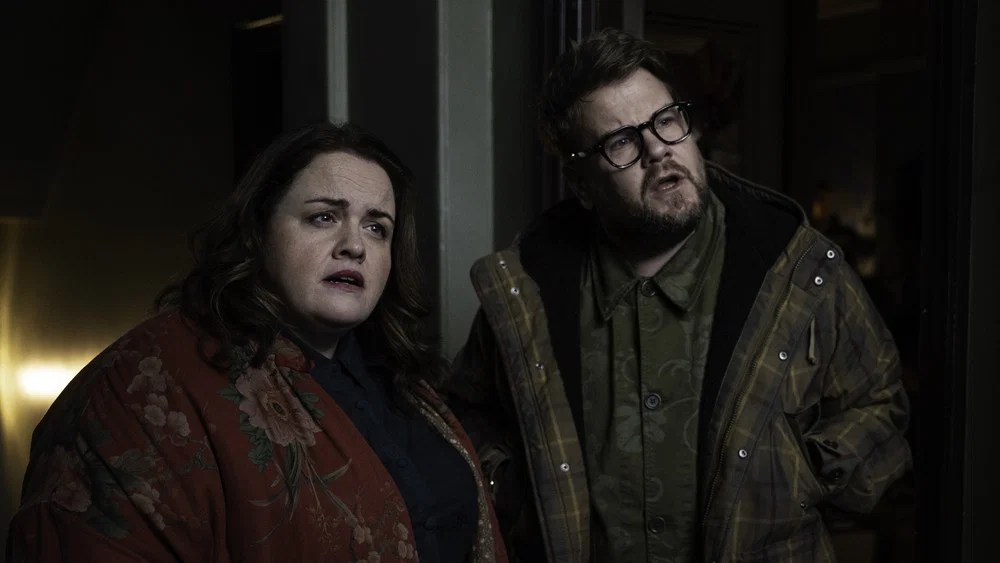
Lori Butler is a struggling artist who currently works in art restoration, despite not exhibiting her own work in years. She had a falling out with her idol Julian Sklar when she was growing up, and she’s barely making any money with her side hustles. When Sklar’s estranged and money-hungry children swing by with an offer for her to “forge through” some of Sklar’s legendary unfinished paintings so the children can collect some of his money when he goes, Lori reluctantly agrees. In true Portrait of a Lady on Fire fashion, she goes undercover as his “assistant” in an attempt to finish the unfinished in private.
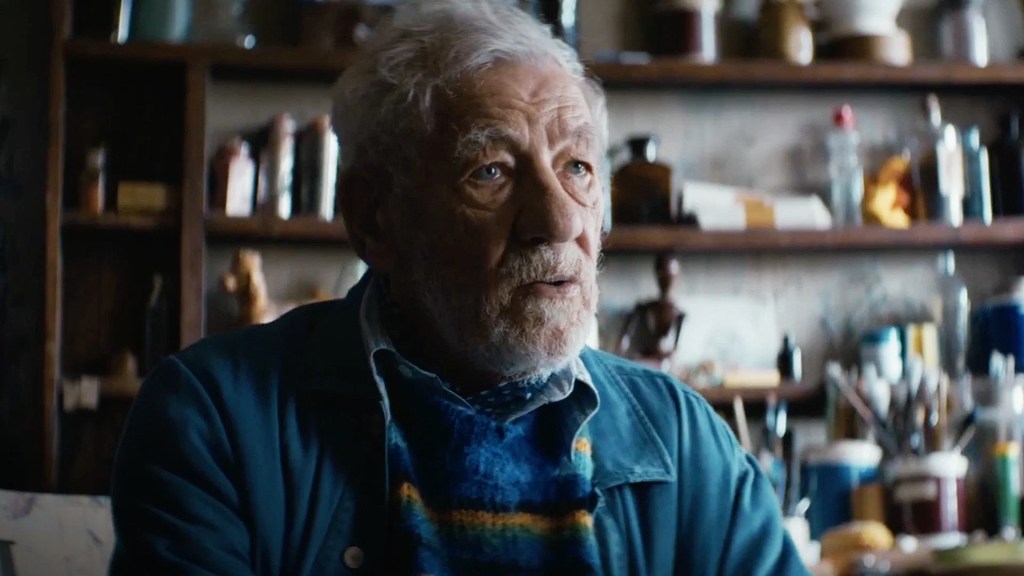
For a quiet film that could have easily been a play with its dialogue-heavy scenes, it has a lot to say. Ian McKellan plays Julian Sklar, the traditional British old-timer grump who is openly contemptuous of young people yet holds a secret warmth that could put the Grinch to shame. Except this is just a surface-level glimpse. In reality, based on the state of his townhouse, he is incredibly lonely despite his lucrative career. He not only was an acclaimed artist, but he was also a controversial figure who openly lambasted the art industry and the people who made it. His uncompleted paintings, The Christophers, represent the last vestige of art the world wants of him before he passes. But for Sklar, it’s not just another canvas. It’s another piece of himself he is not willing to easily let go.
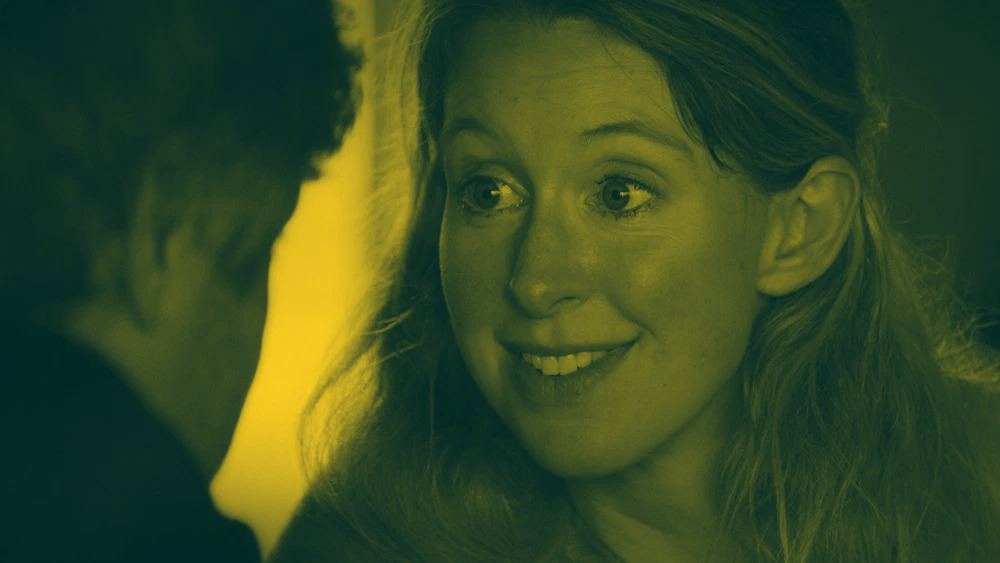
Unlike other films where the young person has to worm their way into the older person’s heart to uncover their “good side,” screenwriter Ed Solomon cleverly puts the two leads on equal footing with one another. Lori, played by a great Michaela Coel, doesn’t take any of Sklar’s shit, but also doesn’t take her employers seriously either. She and Sklar play a game of highly entertaining chess throughout the film, where the two pit their ideas against one another about the significance of Sklar’s art and each other. Whether they like it or not, they are more like father and daughter than a starving artist and their idol.
But the best part about The Christophers is how this sparring session turns into a therapy session. Visual art is about placing colors and canvas in conversation with one another, ultimately revealing deeper truths that we’d scarcely consider about ourselves. When Lori walks in on Sklar recording Cameos to make money, she sees a man trying to keep his own artistic spirit alive in the wrong places. When Sklar looks at a review of Lori’s criticism, he sees someone who criticizes, but does so in a way that encourages growth rather than stymies it.
Surprisingly, this film does a really great job at handling parasocial relationships. Obviously the art world doesn’t have crazy fandoms like Heated Rivalry or Taylor Swift (although I do belong to both), but there’s a certain pain to realizing that the person you admire most in the world might see you as unimportant or almost offensive. Art is depicted as intensely personal in The Christophers, almost unshareable between different kinds of people. This is seen in Lori and Sklar’s refusal to share their own work. They could, and they are immensely proud of their works, but they’re wary of sharing it with a world that will only demand more and more for them. The art world doesn’t see them in terms of wounded artistic souls, but rather people who create jaw-dropping impressions of the real world for exclusive celebrities.
It’s not just that. Lori’s one-sided rivalry with Sklar is deeply felt in the more emotional beats of the film. Although Sklar barely registered his criticism of Lori, he altered the course of her life. With his controversial persona in the current timeline, there’s a sense of betrayal in Lori’s interactions with him. Here’s this great artist, someone who changed the face of an industry, sitting alone in his apartment doing nothing. How pathetic. Yet strangely interesting. You could stare at this for hours and still listen to it talk in a museum.
The Christophers can best be summed up as an unconventional messy love story. Instead of it being between two people, rather it’s the same person in two different stages of life. One is young and trying to break out of their self-imposed cocoon, and the other is a dying artist who’s the last of a renegade breed. Although they come from different places, they were both in the other’s shoes. It’s just a matter of getting them to be satisfied in where they are now. That’s the true beauty of The Christophers.
FURTHER THOUGHTS
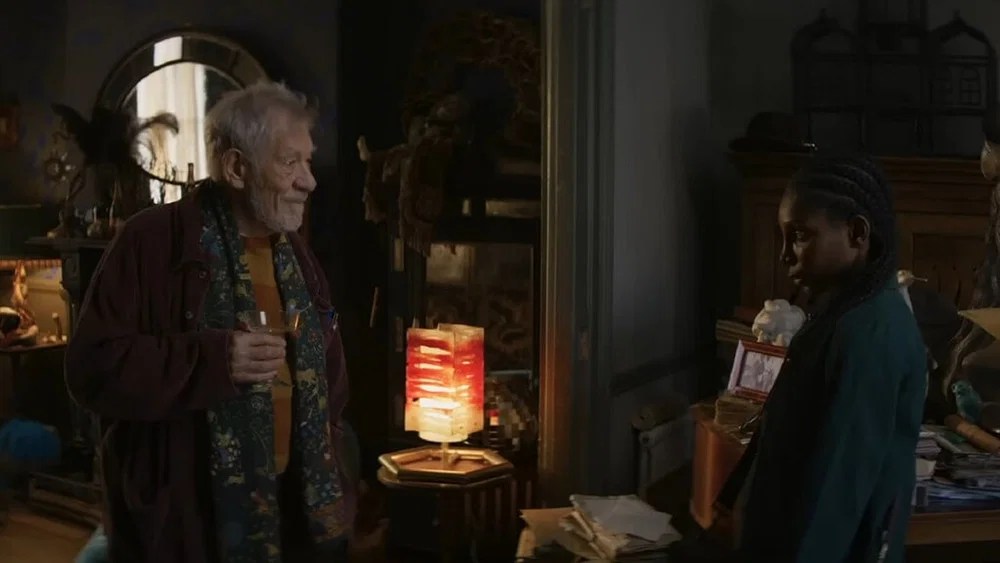
- Is it weird that I would love to live in Sklar’s apartment?
- Also, Lori’s artist co-op looks AMAZING. Although I’d imagine the rent’s sky-high.
- Lori and I share a similar taste in British food storage.



Leave a Reply