Every now and then, I get a craving to watch just about the strangest thing I can get my hands on. I don’t have to like it, I don’t have to love it, I just want to see something that will get stuck in my head for the rest of the week. Horror is a good genre to start with that, since the whole concept is to look at things that unsettle us, and what’s more unsettling than weird?
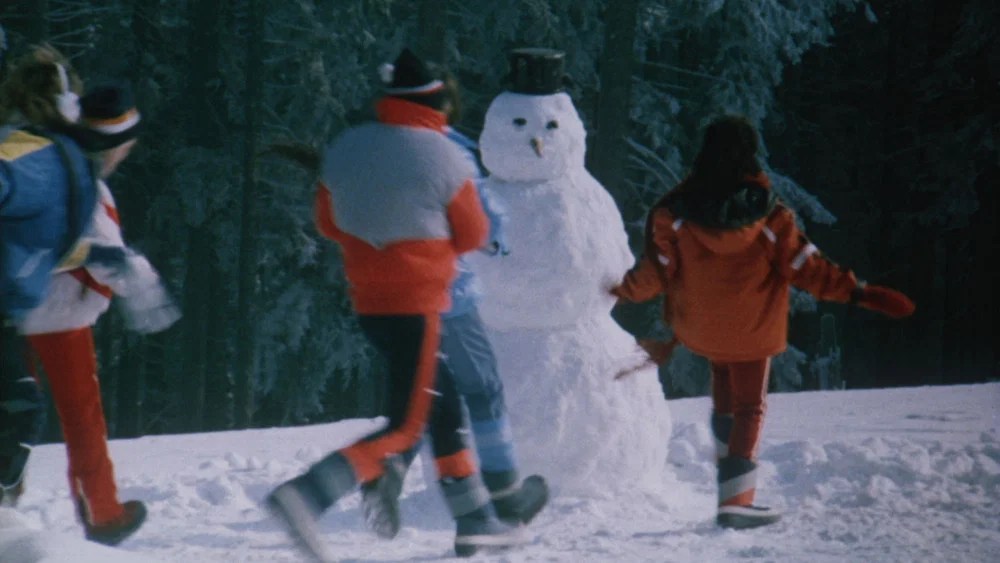
Luckily, I found this week’s weird pick in Wolf’s Hole (1987), a horror film from Czech director Věra Chytilová, who was behind the arthouse classic Daisies.
Based on the premise alone, I was expecting some kind of Hunger Games premise, where eleven or so adolescents are gathered in an isolated cabin and must undergo a series of tests to become the “victor”. At worst, I was expecting a kind of Saló situation, where the kids are exploited by a powerful group of people. Thankfully, neither situation happened in this film, which was great, because I’ve seen The Hunger Games, and I couldn’t sit through the first thirty minutes of Saló because of how disturbing it was.
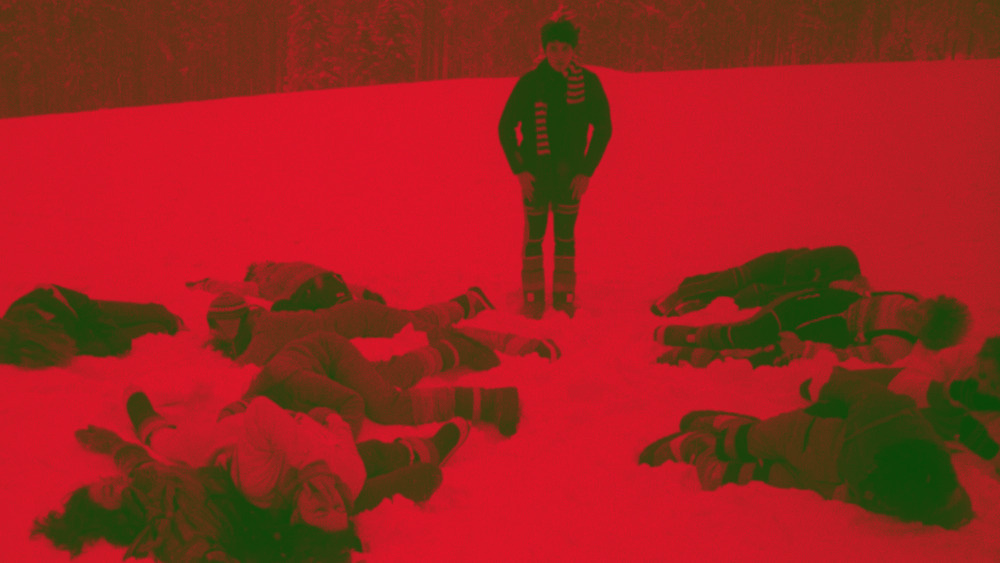
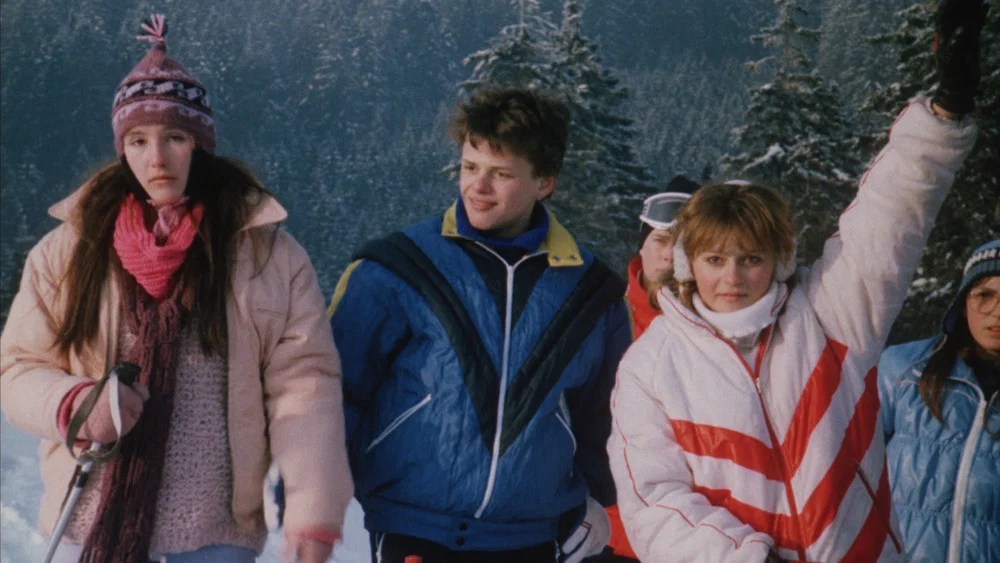
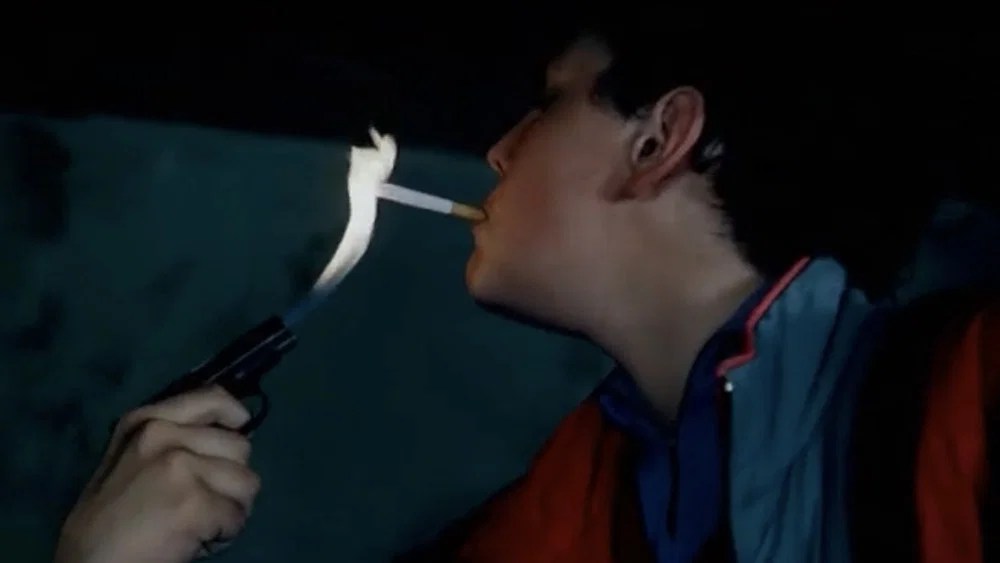
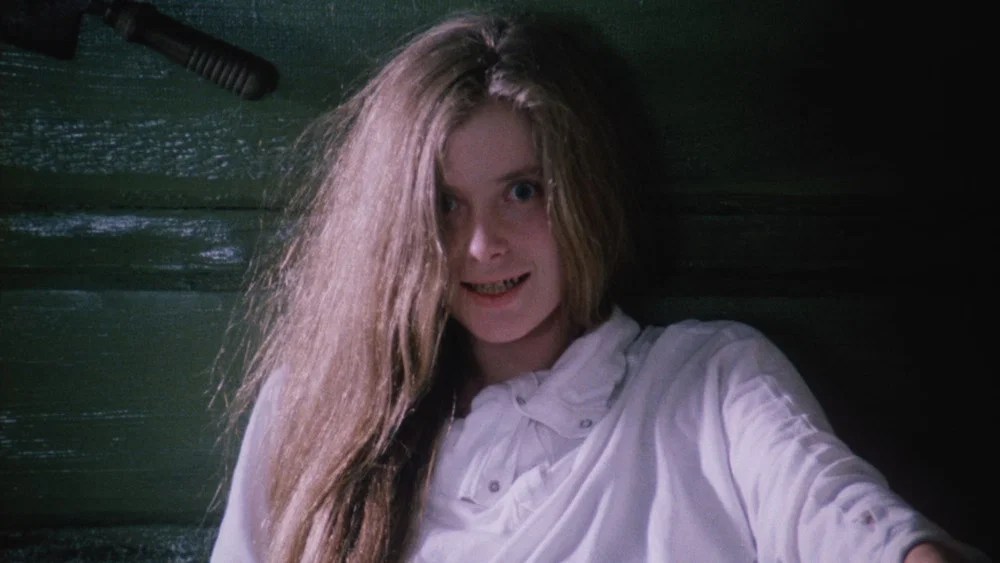
However, both situations kind of meld themselves in Wolf’s Hole. When we first meet the teenagers, they are rude, obnoxious, and clearly the first ones to die in a horror movie. They pick on the weird ones, they have complicated family lives, and they sort themselves into social hierarchies without fail. Once they get up to the eponymous Wolf’s Hole, they indulge in smoking, lusting after the mysterious Babeta, and causing a general ruckus of things. I knew something bad was going to happen to all of them, but I would be lying if I didn’t say I wanted at least one of them to die for being dicks.
But for a film released during the normalization period (the conservative backlash to the Prague Spring in Czechoslovakia), the film does a great job at subverting a genre that’s generally seen as conservative. Many film scholars (especially feminist ones) have pointed out that teen slasher flicks often have conservative undertones, where teenagers are punished for expressing their sexuality, indulging in vices, and being nuisances in general. The Soviet era teens in Wolf’s Hole fit these roles to a T, but their rebelliousness hits even harder when you consider the historical context. They’re not just rebelling against Western societal standards, but against Soviet emphasis on community and harmony.
I was reminded a lot of the two Maries’ gluttonous rebellion in Daisies (1966), where feminine sexuality and consumerism was used as a way to poignantly declare individual expression at a time where that was severely punished. In a sense, Wolf’s Hole can be seen as a more masculine counterpart. But I think this film suffered through its genre constraints. It definitely has some of Chytilová’s arthouse flair, but its status as a teen slasher flick, no matter how subversive it is, can make it feel just like another avant-garde teen movie, if those exist.
That being said, this film does manage to get under your skin. You’re not quite sure what the undertakers are up to, even when they reveal their true purpose. What happens on Wolf’s Hole is more or less a social experiment, where the teenagers are unknown variables engaged in a Trolley experiment where the decisions they make matter. With the limited supplies or means to contact help, they are both imprisoned by their caretakers and by themselves. They can either withstand punishment, take bribes, or bully each other to maintain dominance and try to resemble their own society. It’s like Lord of the Flies, but on an icy Czech mountain.
I did have a harder time connecting to this film, but for some reason that disconnect helped me be more engaged. I had no idea where this movie was going but I wanted to know more. Was the dog going to be okay? What was Gitka up to? Was Gaba being blackmailed? All the suspicion about who’s in with who felt very era-appropriate. And I found myself all the more intrigued by it.
FURTHER THOUGHTS
- Me and my family are shit skiers (especially me), so we’d be the first ones to go.
- It’s a shame Mike White hates the cold, because I would love to see what a White Lotus episode would look like with these characters.
- Don’t worry, the dog survives.


Leave a Reply