
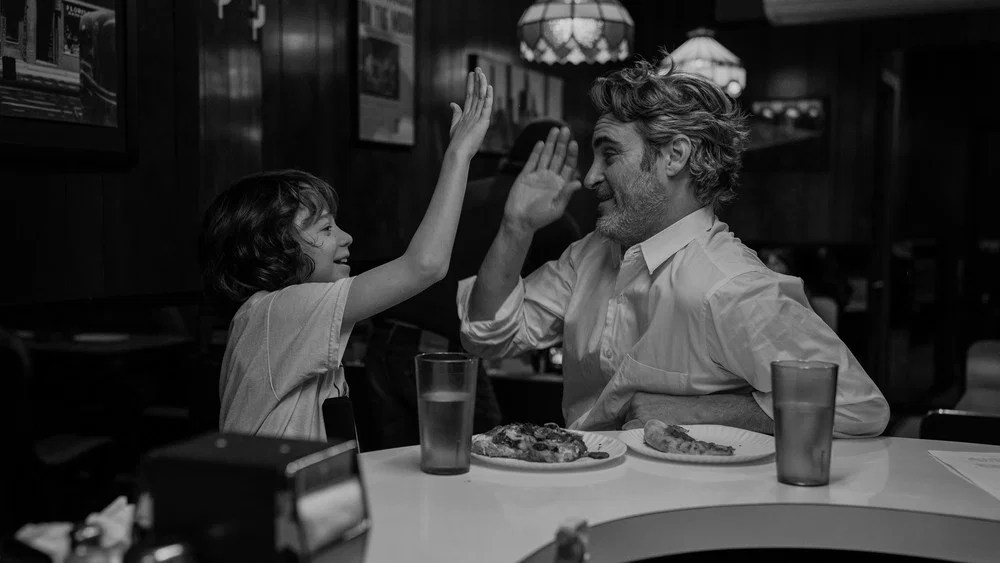
During the pandemic, I decided to watch ten films from a watchlist. Not knowing it at the time, this would be the start of my current passion for film writing. One of the films on that list was 20th Century Women (2016), directed by Mike Mills and starring Greta Gerwig and Annette Bening. I don’t remember much about that film, but I do remember its compassionate themes and tone. When I heard about C’mon C’mon (2021), I knew I had to watch it eventually.
I also recently watched Her (2013), the quirky and absurdist sci-fi Spike Jonze film about a man named Theodore Twombly who falls in love with his AI chatbot (relevant much?) I was tremendously moved by it, but I was also moved by Joaquin Phoenix’s performance in it. I know he’s most well known for his method acting and intense physical performances in thrillers like Joker (2019) and Walk The Line (2005), but I like when male actors break the mold by playing more sensitive parts.
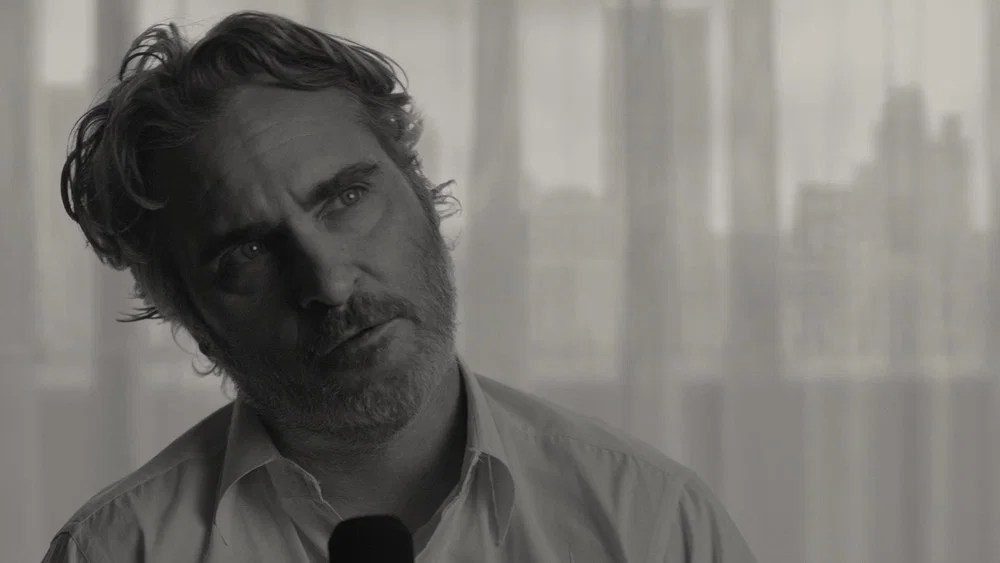
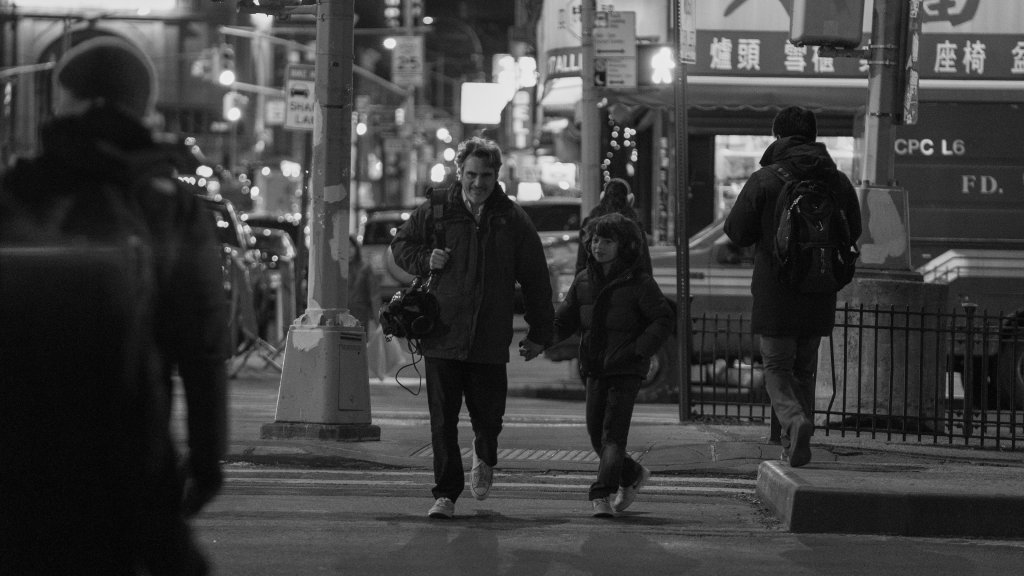
In C’mon C’mon, Phoenix plays Johnny, a recently divorced radio journalist interviewing young people across the United States about how they see their future. While on an assignment in Detroit, he calls his estranged sister Viv and finds out that due to problems concerning her mentally ill husband, she needs someone to watch over her rambunctious son Jesse for a few days. As it becomes clear that Viv’s situation is not going to clear up shortly, Johnny convinces his sister to let him bring Jesse with him to New York City, where he can both work and watch over him.
It’s a disarmingly simple premise, but it’s very well executed. Mills makes it very clear that Johnny and Viv’s relationship has been rocky for a while, through the use of silent flashbacks that convey so much with no dialogue. These flashbacks don’t sentimentalize anything, but rather portray reality as complicated and full of language that the adults sometimes don’t understand themselves. It’s a core theme of the film: how do you explain to a child what’s happening around them without making them disillusioned?
Jesse is by far one of the most interesting characters. The narrative focuses on Johnny as the main protagonist, but Jesse acts as an interesting foil to his level-headed uncle. He’s happy to try out Jesse’s audio equipment around NYC, but his heart is still back in California with his mother. He also doesn’t understand how long the current arrangement will last. Further flashbacks show his own relationship with his father, adding to the mosaic of fractured family dynamics. Jesse finds Johnny to be something of a kindred spirit, but he also uses this to treat his uncle as something akin to a proxy-parent. Since his mom isn’t there, Jesse tries testing out his limits.
I was impressed by how the film navigated the theme of parenthood. I feel like the story could have easily gone down the road of examining how hard it is to be a mother in today’s modern world, ending with a message that we need to appreciate our mothers more. And while that’s certainly conveyed, the film also tackles what it means to be a parent to someone who doesn’t know they need one. Some of the young people Johnny interviews are skeptical of authority, acknowledging that sometimes the people they are supposed to trust just don’t know what it’s like to be in their position. Likewise, Johnny tries to approach Jesse through an empathetic perspective, but then he realizes that he and Jesse are speaking in different languages. Jesse knows what his mom would do, but Johnny is having a harder time.
The black-and-white cinematography does a great job at conveying this murky areas. I love how there’s more filmmakers who realize how important a black-and-white canvas can be in conveying their themes to modern audiences. A lot of audiences associate black-and-white with older films, but filmmakers like Mills understand that black-and-white with digital techniques can almost freeze the modern day in amber. The lack of color with the digital cameras blend the past and the present together, making it seem like the two temporalities are in conversation.
In a story about intergenerational connection, the cinematography of C’mon C’mon portrays the characters as sympathetic, yet imperfect and trying their best given the circumstances. They read essays and articles about parenting, they lean on their own experiences, and yet there’s so much they don’t understand about themselves and the people around them. They’re constantly learning and unlearning how they went about the world before, and every time they try to adapt there’s something new that flies in front of them. It can feel like every attempt to change is futile, but it’s something everyone must do at some point.
I’ve been working at a local media station for the past six months, and it’s made me appreciate smaller scale stories like this. It’s amazing to interview a renowned public figure, but talking with the people you can encounter in a coffee shop can produce amazing results. I think we underestimate just how profound our next door neighbors can be, and how many ideas have been locked inside our heads waiting to come out. C’mon C’mon understands that even though we may not understand our loved ones, there is always an opportunity to grow, and that down the line, we will look back at these memories with a smile.

FURTHER THOUGHTS
- Aaron and Bryce Dessner of The National (who were also producers of Taylor Swift’s folklore) made the score for this film, and to them I say thank you very much for your service.
- Note: if you want to make a moment in your film hit hard, always insert Clair de lune.
- Whoever wrote that picture book Johnny reads deserves all the flowers in the world.




Leave a Reply