As much as I love noir, I do admit the genre has some shortcomings. Particularly when it takes place in the 1940s.
I know the 1940s were a significant time for film, considering that the US economy was booming amidst the end of WWII and people were starting to rebuild their lives again. Plus, there was a lot more experimentation as actors started to use the Method, directors took more creative risks, and studios started to relax their business methods. Yet Berlin Express remains one of those films that is stuck between the two poles.
I will give the film kudos for trying to tie in current events. Right after the end of WWII, countries found themselves at a loss as to what to do about Europe’s fractured state. The Soviet Union and the United States had control over Germany, but Britain and France were also trying to get involved. What had once been an industrial empire in Germany had been reduced to rubble, with cities like Frankfurt and Berlin being hollow shells of what they once were. Clubs and speakeasies were banned for local Germans, but free and open for American soldiers.
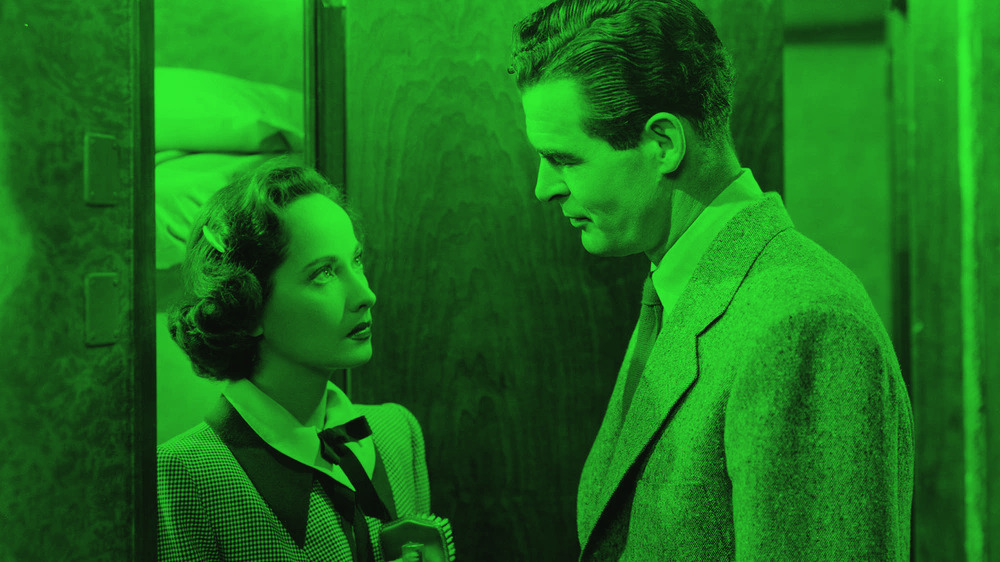
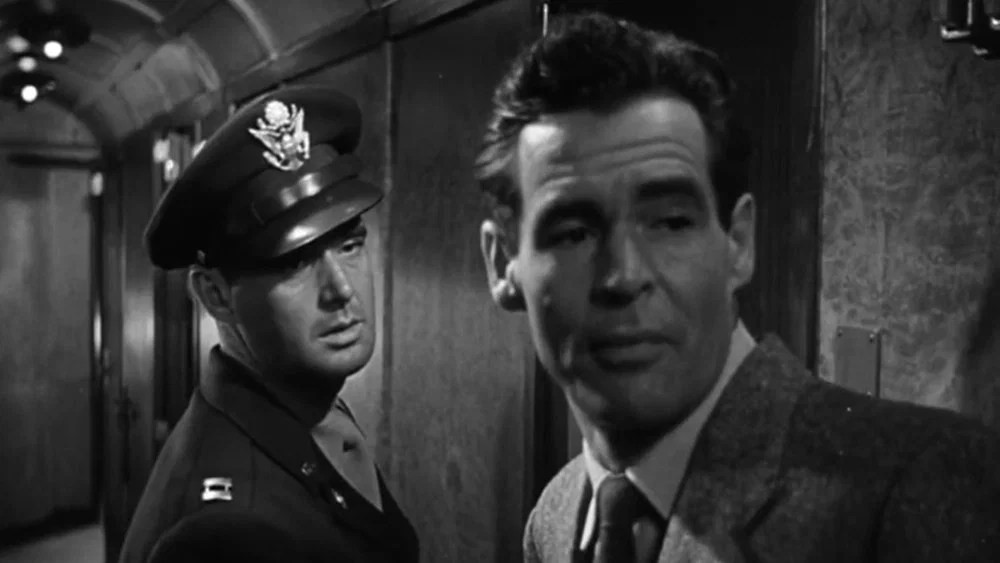
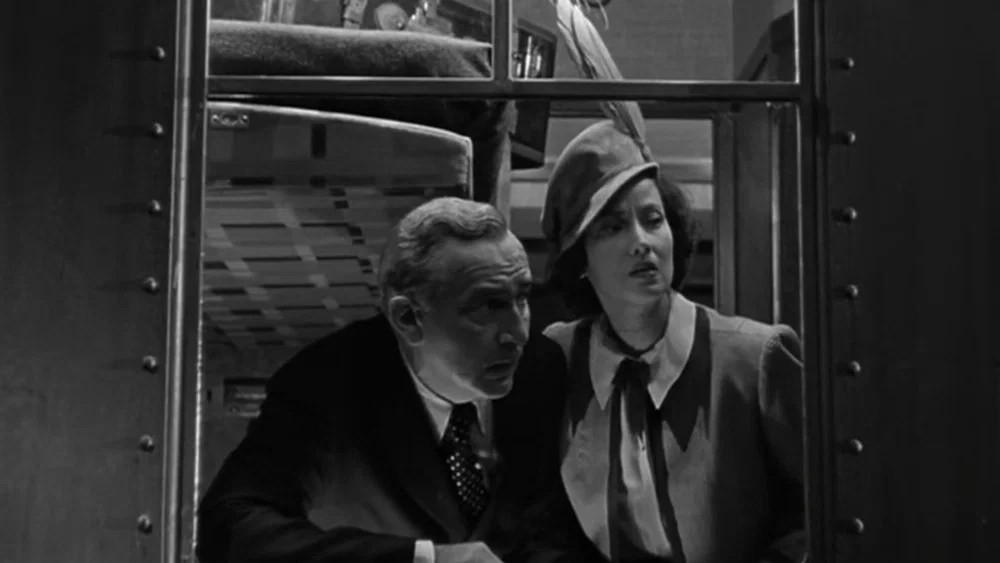
When Berlin Express begins, several characters arrive on a train. There’s Lindley, an American government official for the Department of Agriculture, Lucienne Mardeau, a polylingual secretary, Lt. Maxim Viroshilov, a Soviet military official, James Sterling, a British man, Henri Perrot, a Frenchman, and most notably, Dr. Heinrich Bernhardt, a German politician at the precipice of negotiating a more peaceful solution for Germany’s future.
Once all these characters are introduced, a bomb plot kills one of the train’s passengers, and it becomes lear that Dr. Heinrich Bernhardt was its intended target. When he goes missing, this band of passengers must team up to find the politician before it’s too late.
Based on the ensemble cast and intriguing political dynamics, you think you’re in for a unique film. But for all its potential, I found myself underwhelmed. I know it’s hard sometimes to translate geopolitics into a psychologically dense genre like noir, but the psychological aspect is one of the most defining characteristics of the genre. That isn’t to say the film isn’t entertaining, but it takes time to get there, and for a film that clocks in at barely 90 minutes, it feels longer.
If you’re looking for a film that knows what to do with its ensemble cast, Berlin Express tries to find something, but the end result can feel lacking. Trains and a cast of characters always make for the most iconic films, because the setting forces these characters to interact whether they want to or not. With this film’s characters, you feel like the screenwriter was trying to find ways of getting them all involved. Which they do, but sometimes you wish there was more chemistry between all the leads.
It doesn’t help that the ideas presented by the film have immense potential, but they’re squandered by an American-centered writing. I wasn’t around during WWII, but it feels to me like Berlin Express is trying to prioritize an American-exceptionalist view towards the European post-WWII existential crisis. Lindley is a charming everyday male lead, but he’s also the most optimistic, and he seems to be the only glue that tries to hold these fracturing representatives together. He’s not George Kaplan in North by Northwest, but he really shouldn’t be. He ends up becoming the character that the narrative is trying to depict as a future we should all strive towards, but it ends up falling flat and kind of self-serving. It turns a potentially thought-provoking noir concept into something more generic and blandly optimistic.
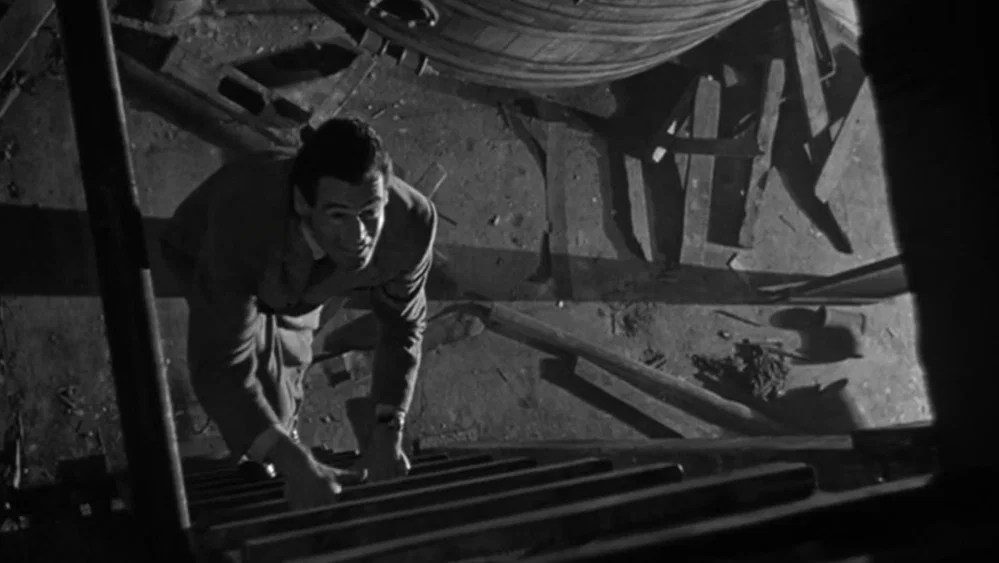
Although Jacques Tourneur does a fantastic job of directing (especially in the climactic action sequences, the faulty writing shows that Berlin Express can’t hold itself well on its known. Ultimately, it’s the surface-level aesthetic and moral murkiness of film noir that save this film, not the substance itself.
FURTHER THOUGHTS
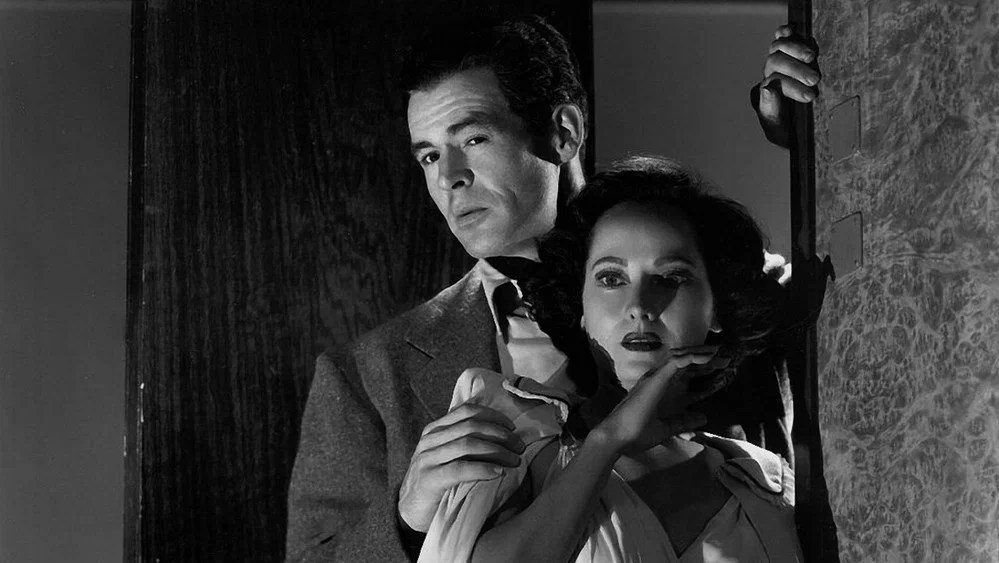
- Merle Oberon should have been in a Hitchcock film.
- This film reminded me of the Mystery Train episode from Poptropica, and now I want that website back SO BAD.
- Clowns are part of the plot, but they do not in fact murder anyone.


Leave a Reply