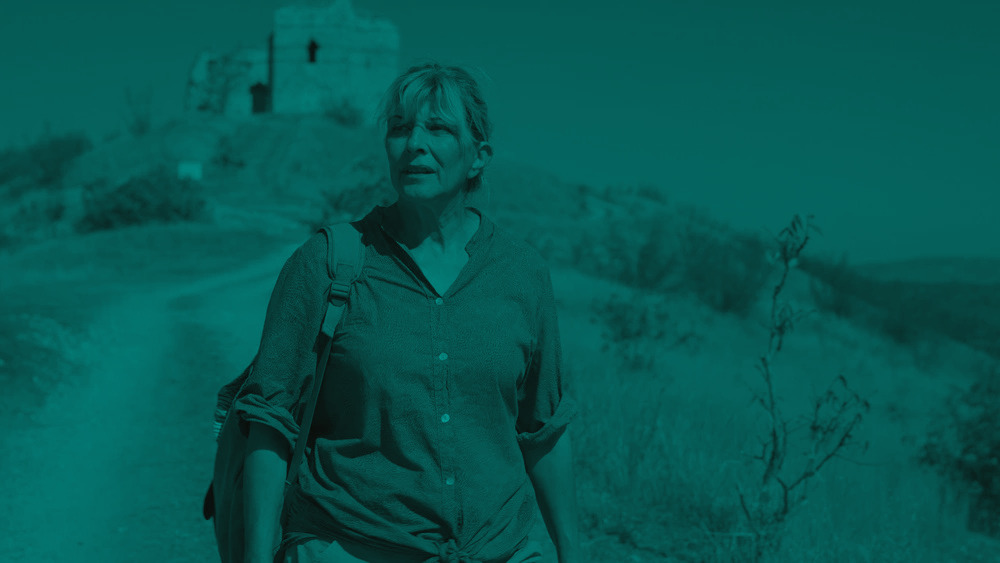
Look, I love longform media, but this film pushed me.
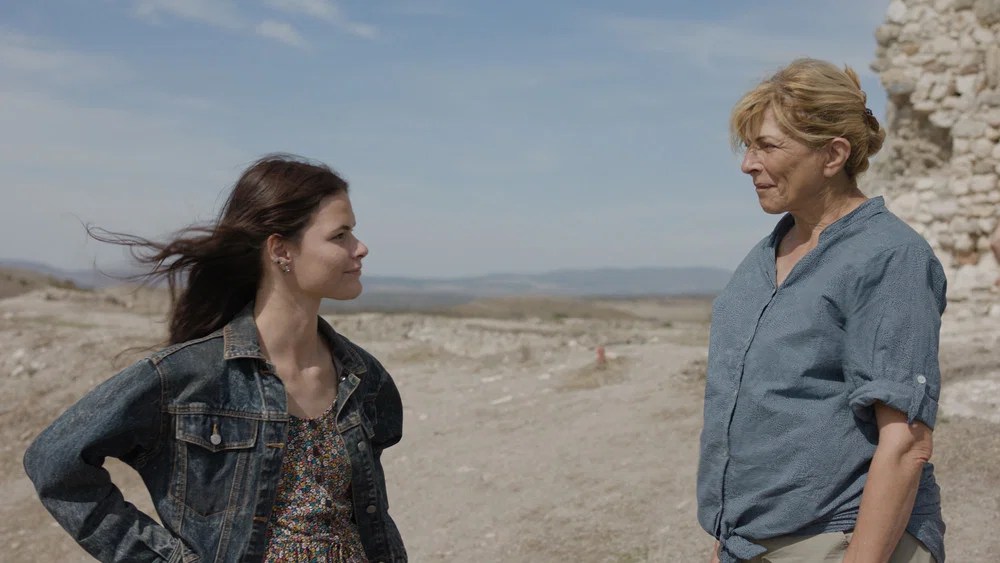
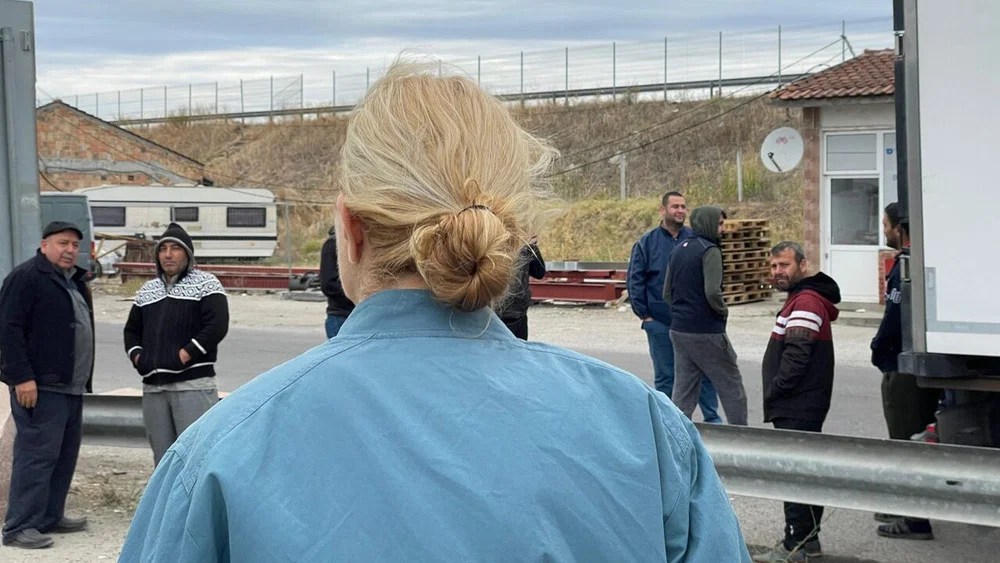
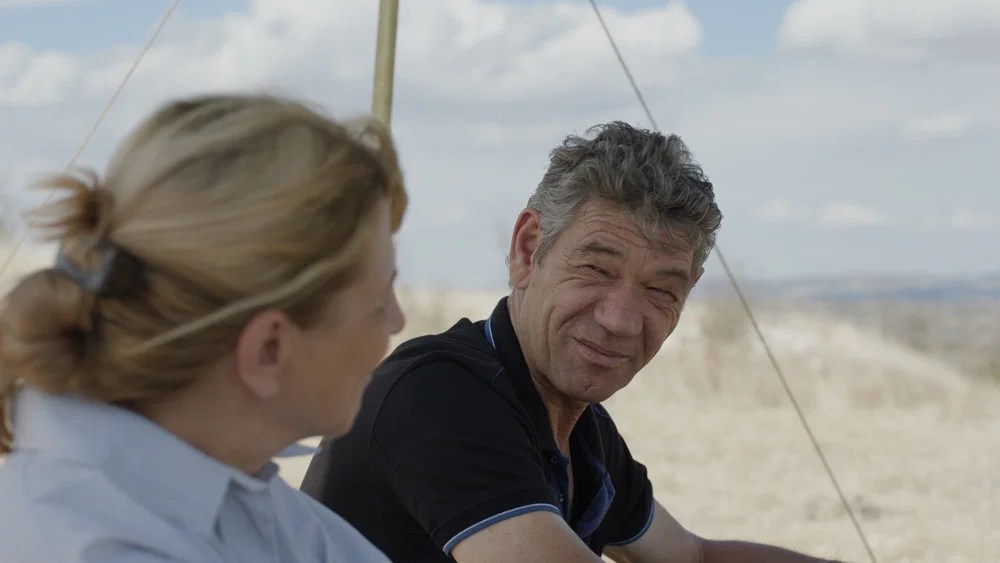
Directed by Valeska Grisebach, The Dreamed Adventure is a slow-burn drama from Bulgaria. Veska is an archaeologist working on excavating an ancient building left untouched by the Communist regime in the Bulgarian border town of Svilengrad. As she talks with her crew, she realizes a lot of them are indebted to a mafioso named Iliya, who takes advantage of their land to smuggle in refugees and contraband and holds their fuel hostage. Despite being a non-confrontational person, Veska finds herself trying to protect her community, while rediscovering hidden desires of her own.
The film was the recipient of a Jury Prize at Cannes, granting it a lot of attention in film festival circles. It would eventually lead to it being screened as part of the Cinema Society series at the SBIFF Film Center, with a post-screening Q&A with Grisebach.
I left the film wanting.
Once again, this is a film I would have enjoyed more had it been executed better. Before the screening, SBIFF executive director Roger Durling gave us a historical background on Svilengrad, the Bulgarian border town that serves as the film’s setting. Following the fall of the Soviet Union, high-partying mafiosos were in control in the 1990s. Everybody was partying, and at a border town like Svilengrad, much was allowed. One of the darker aspects of this era was the severe gendered violence experienced by the women, which can still be felt today. This leads to one of the film’s reccurring themes of misplaced nostalgia and collective trauma.
The Dreamed Adventure is a clever subversion of the Western genre. Instead of male dominance being the moral of the story, this time it’s a woman who takes the reins and tries her best to protect her people by rebuking narratives of male superiority. When she takes her friend Said to a gathering of female relatives and friends in Svilengrad, they each recount stories of how they were propositioned by mafiosos in the 90s, and how even though they were trying to have fun in the wake of Communism’s downfall, they had that freedom stripped away from them. Meanwhile, the men who perpetrated these acts of violence now continue to run the community.
A lot of this film runs on subtext instead of blatant exposition. While this makes for an interesting story, what ultimately drives the film down is its slow pacing. I love a slow-burn as much as the next person, but this one pushed me to my limits.
Coming in at 2 hours and 47 minutes long, The Dreamed Adventure was more than happy to exploit its long run time, even as it meant dropping plot points at abandon in favor of making the audience wait for them to return. It was nice to see that there are still films who embrace a naturalistic style of filmmaking, but you know what else is nice? Having a film be intentionally paced and well-structured. I kept thinking about what happened to other characters, and whether or not certain elements would show up again. There’s a lot that’s implied, but very often I wanted to scream at how long everything was taking. This film seems to want to be a thriller, but instead settled for a drama. It’s a great lost opportunity.
After the film concluded, I kept thinking of Possible Love, which has the exact same length as The Dreamed Adventure but resonated a lot more with me. I know it’s unfair to compare two independent films together so soon, but I just felt that with Possible Love, no matter how long it took for the film to be made, you could tell the script was made with great precision and with ample awareness of how the audience was going to respond. In the Q&A after last night’s screening, Valeska Grisebach said she didn’t know how the film was going to end at certain parts, and that writing for this film was more often than not spur-of-the-moment. It’s apparent in the final product. There were times when people were getting up to go to the bathroom in the middle of the screening, and I didn’t blame them.
I wouldn’t say that The Dreamed Adventure doesn’t deserve praise, but it feels very first draft. There’s a lot of ideas, but it doesn’t come together very well. There’s harmonies, but they don’t blend. There’s stunning shots that evoke the best Westerns, but those pretty images can’t make up for a story that can change at a moment’s notice. This film is proof that just because something makes a splash at Cannes doesn’t mean it’s a good film. I love and respect film festivals, but sometimes they can be a vacuum for the most artistically self-indulgent.
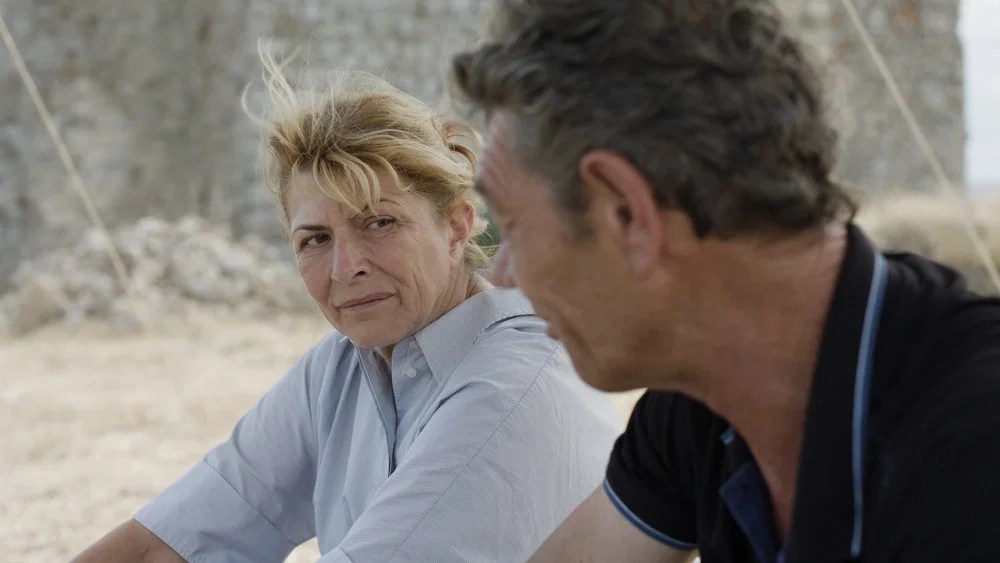
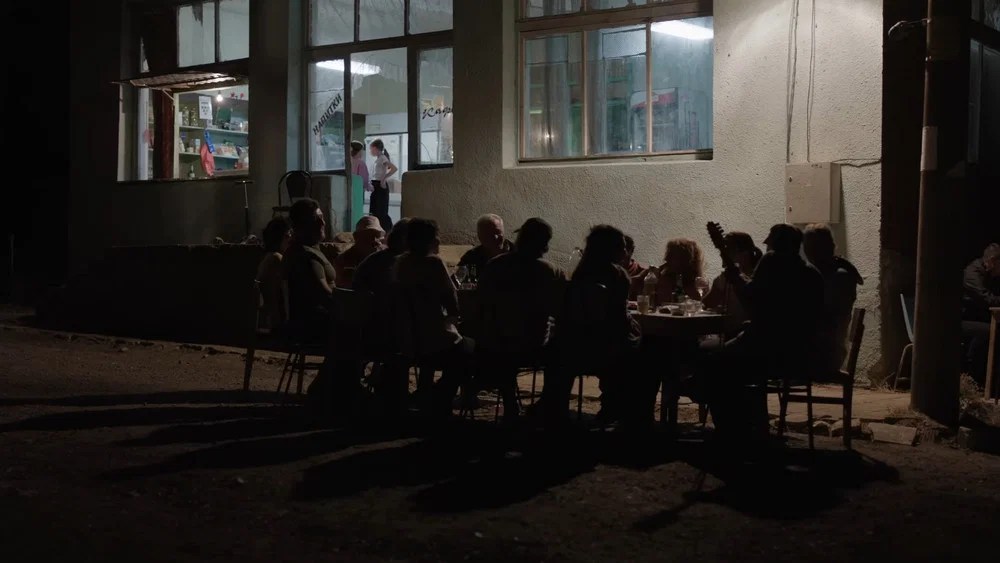
FURTHER THOUGHTS
- Car’s headlights shining onto a dark dirt road is such a threatening image, I will never get tired of it.
- This film reaffirms my belief that minimalist houses always signify doom.
- I feel so bad for the little girl Tiana in this film.


Leave a Reply