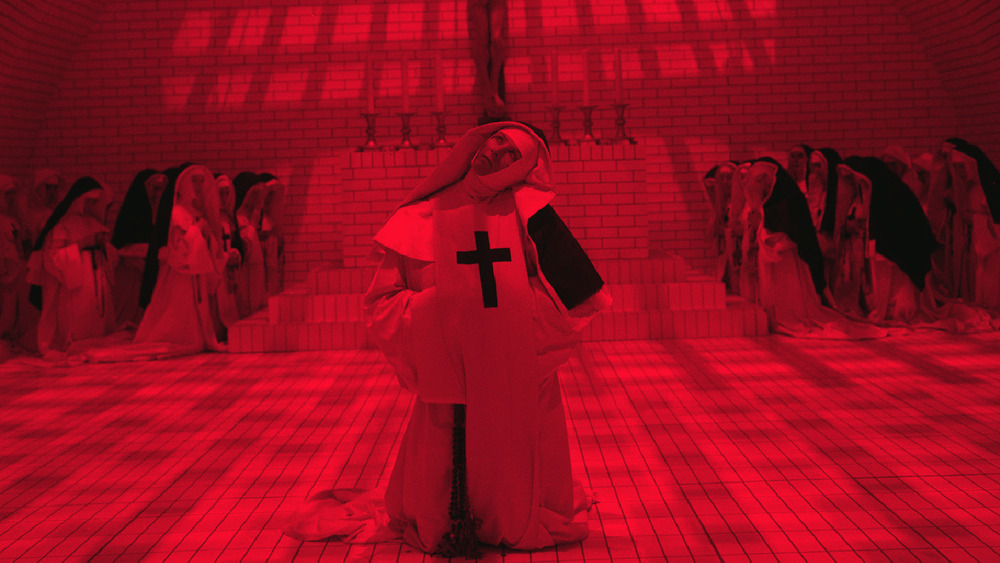
Why do I keep watching shit like this, I ask myself as I choose to watch another sexually explicit film from the 1970s that’s been banned from multiple countries.
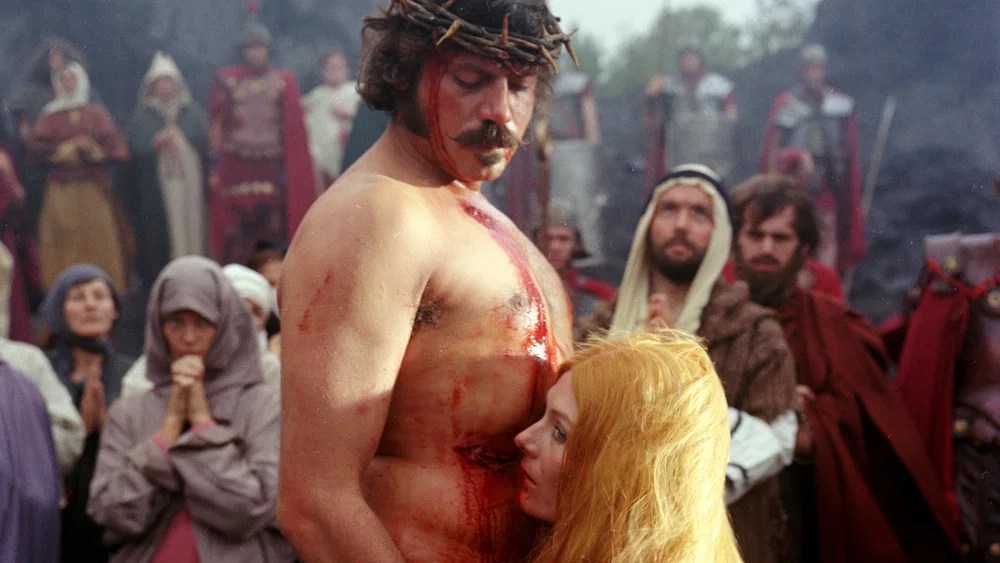
Alas, here I go again.
It’s always ironic how the most censored and banned films in the 20th century often ended up being more progressive in hindsight. Especially since moral standards have changed so much since that time. Granted, general prudishness around sex has persisted, but even then I think we’ve all loosened up a little bit. But that’s nothing compared to what was portrayed in The Devils.
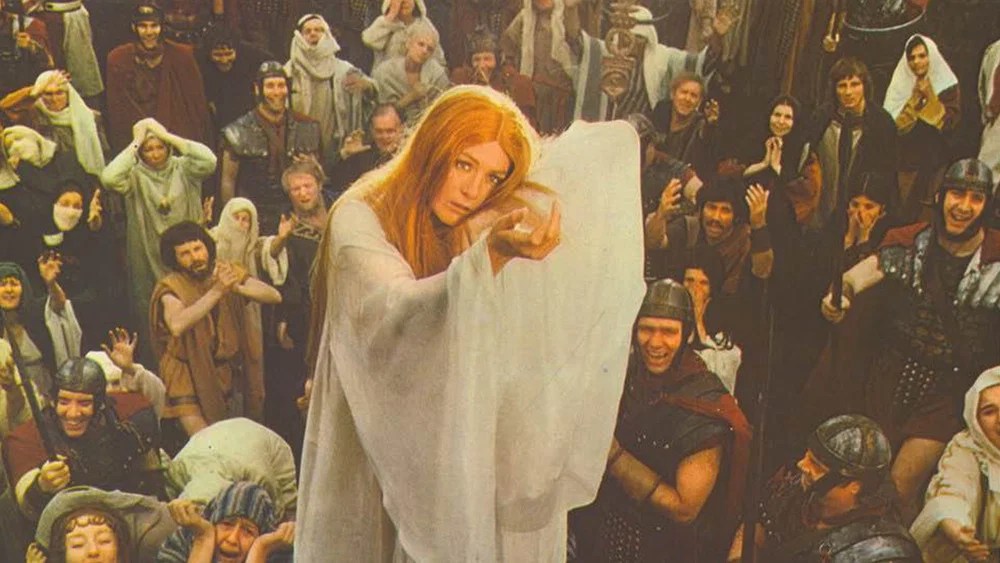
It’s an orgy of guilt, true or otherwise, in this exploitation film “based off” real-life events in 17th century France. A sexually repressed nun played by Vanessa Redgrave (more on her later) accuses Father Grandier, the powerful priest and leader of Loudun, of bewitching her and causing her profound sexual feelings, leading to the rest of the town basically going up in flames. When the Catholic authorities arrive to put an end to Loudun’s rule, moral condemnation is brought on the man thought responsible.
One thing I’ve noticed about some Catholic filmmakers like Ken Russell is that for all their reverence towards their religion, they will not hesitate to show the connection between the devout and the sexual. Take Redgrave’s Sister Jeanne. As sexually repressed as she is, she is also unrepentantly horny, yet her constant prayers for salvation only seem to arouse her more. It gets to the point that when she self-flagellates in her private room after pleasuring herself, it’s framed as another form of pleasure. Especially as an equally horny nun watches enraptured. For all the talk about purging sinful thoughts from the soul, it only serves to make the forbidden fruit taste so sweet.
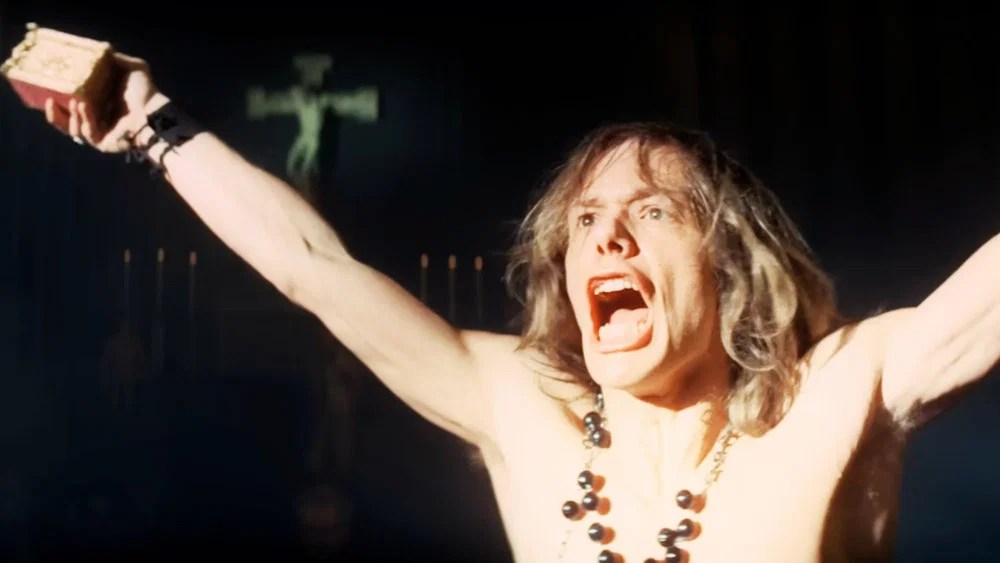
This gets even more prurient when the Catholic authorities arrive to seize control of the town when Sister Jeanne makes her fateful accusation. Using her as an example, they torture her and violate her in all sorts of ways, until all the nuns are driven to a frenzy at seeing their matriarch crumble and admit to being “possessed.” They become possessed in return by the mass hysteria, and they proceed to make an orgiastic mockery of a church, turning statues of crucifixion into tools of pleasure. Even the authorities, including the witch hunter himself, get wrapped up in their own climactic condemnation.
I was surprised to see the inclusion of politics in this film, but it only serves to prove how well the film has aged. Sex and politics have always been two sides of the same coin. They are things that are both omnipresent and somehow always invisible in our daily lives. We all know they exist, but no one wants to talk about them until they become unbearable. And when they do become unbearable, they completely consume us until we ascend to some state of ecstasy. But that ecstasy won’t always be positive, especially when religion is involved. Actually, as The Devils confirms, religion is the direct antithesis to this ecstasy.
When we start the film, Father Grandier is your typical amoral priest, preaching to preserving the sanctity of his holy, guarded city while getting prostitutes pregnant. However, he’s willing to settle down and marry a devout young woman, seemingly finding a newfound faith in his religion after debauchery. But once he returns, the mass hysteria means that Sister Jeanne’s accusations have become true. On his road to redemption, he has found himself on death’s door.
In the authority’s quest to purge Loudun of carnality and witchcraft, they have deemed themselves the most inhuman of the bunch. Religion ceases to become a tool for collective reaffirmation and righteousness and instead turns into a self-justifying excuse for cruelty. Sex ceases to be something fulfilling and satisfying and transforms into a convenient scapegoat for society’s ills. At the crossroads of religion and sex is the politics, where chessmasters move the pieces on the board and almost never care about who will be crushed under the rubble.
Much has been said about Oliver Reed’s performance as Father Grandier, but I believe Vanessa Redgrave truly stole the show. From her first appearance onscreen, I knew she was going to be the film’s key narrative rock. She’s stoic, but her crooked posture signals something is off about her. When she is filled to the brim with lust, she transforms into this creature that’s both erotic and slightly deranged. There’s also brilliant moments like shouting “COCK!” into the confessor’s ear and laughing when she’s alone. Even though she’s clearly unwell, I found myself rooting for her in a strange way.
This is the definitely the most 70s film I have seen so far this fall. Not only is it incredibly graphic, it’s also quite stinging in how sex is used as a scapegoat to hide what we are truly hiding. It’s not our prudishness–it’s our fear of things we can’t help but to surrender to.
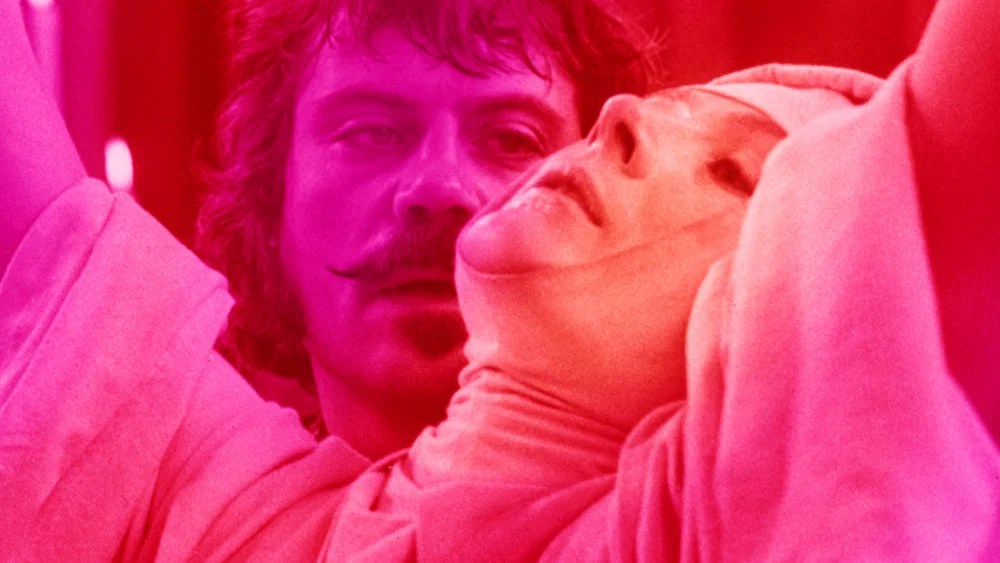
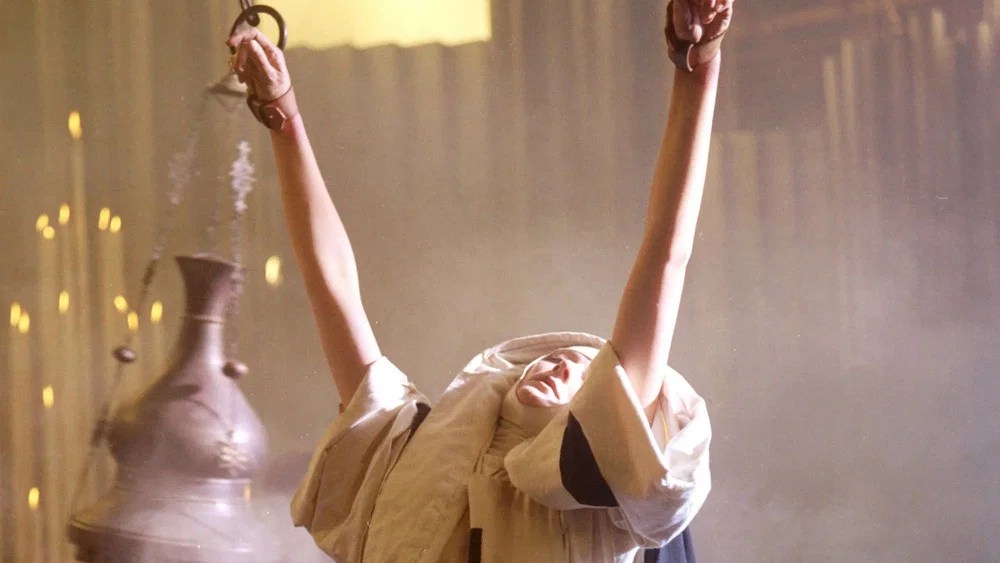
FURTHER THOUGHTS
- I don’t get why anyone would trust the witch hunter (bottom right photo) with that kind of haircut. That alone would disqualify his credibility.
- This film’s use of black and white coloring is amazing. Loudun looks regal, but also antiseptic.
- The humor of The Devils will sneak up on you just enough to distract you from what you are seeing.


Leave a Reply