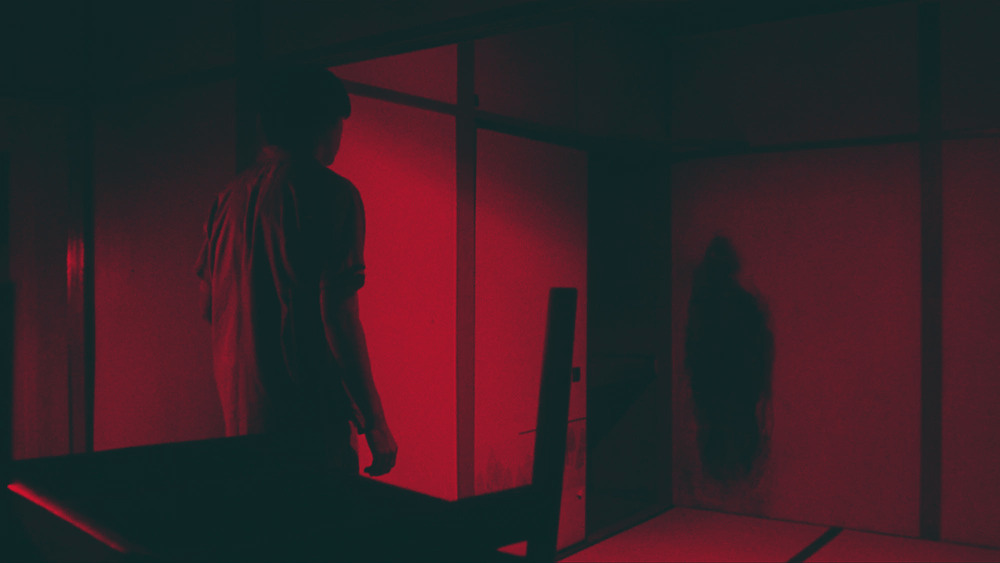
Japanese horror just hits different.
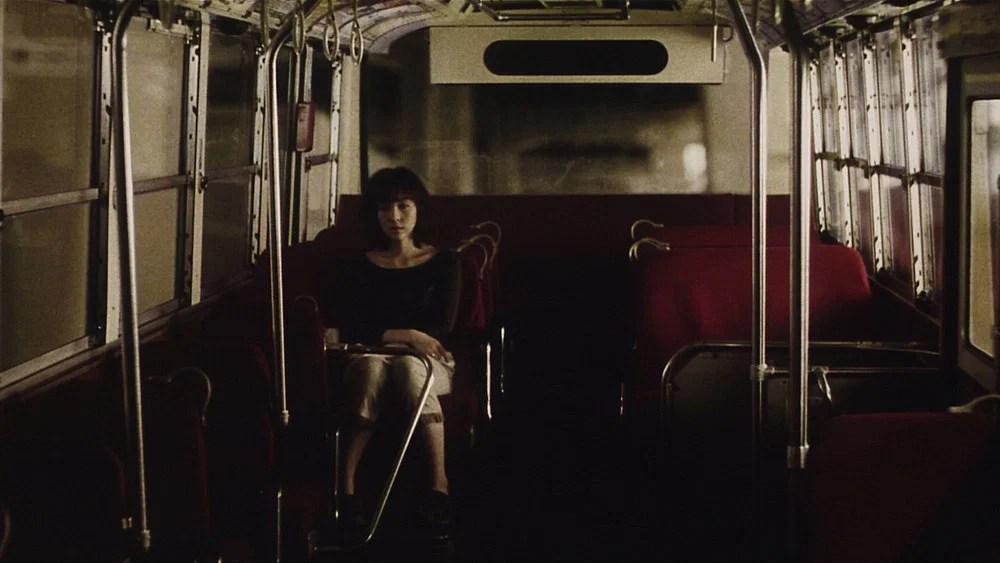
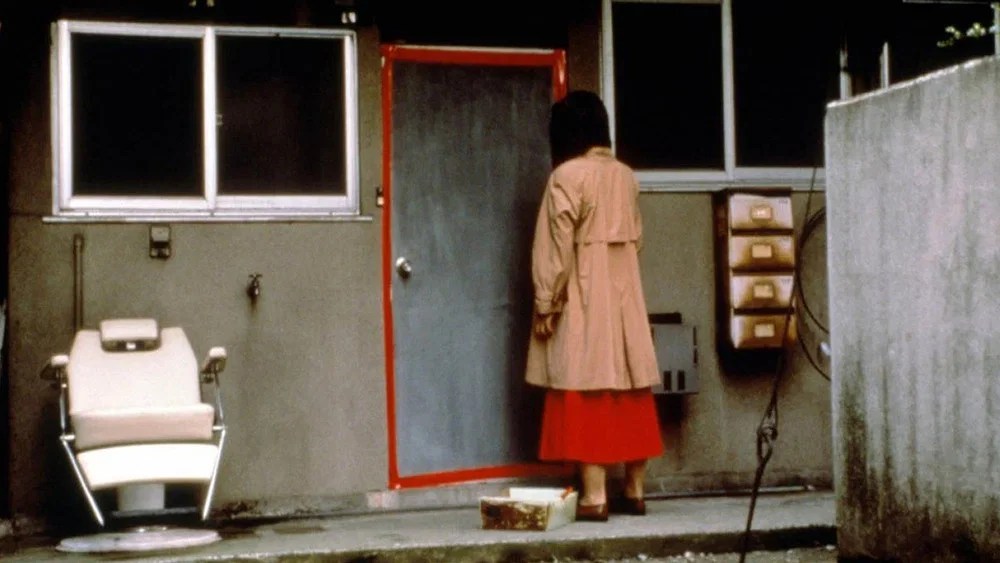
When you step into the world of Pulse, the only bright color you are allowed to see is red. Everything is either beige, grey, or on the verge of becoming dust. Not unlike Possession, the drab cinematography foreshadows the twists and turns this film takes. It might be a film that has people in it, but the people in it might not be living.
Pulse, directed by Kiyoshi Kurosawa, is a case study in how to build horror without over-relying on jump scares. It’s also a film that knows how to incorporate modern technology without seeming outdated. If anything, it makes the film even more prescient in the modern day.
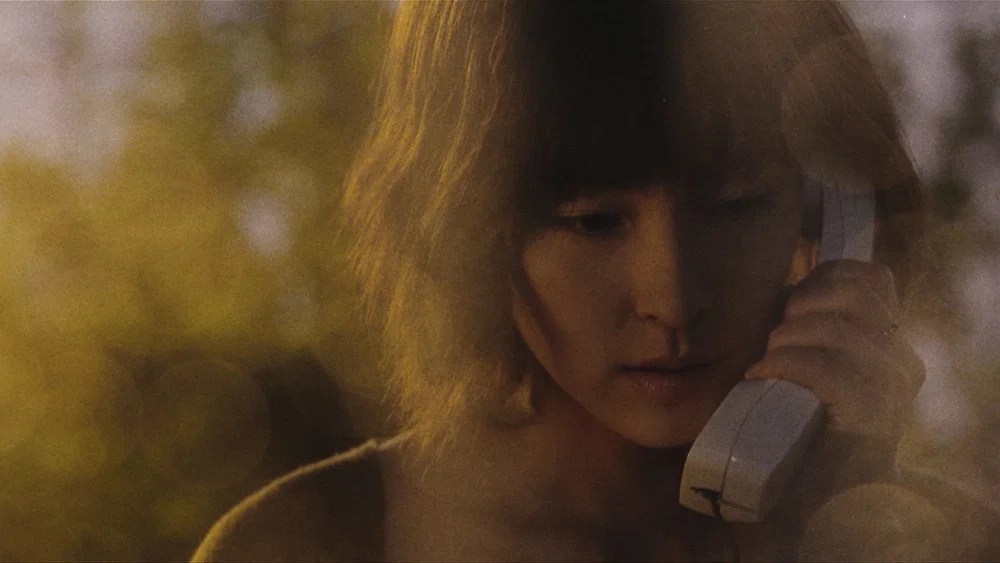
When Pulse opens, the Internet is quickly becoming a modern phenomenon. People are figuring out how to log on, take screenshots, and find new ways to connect with each other. But not everything on the Internet is made to bring people together. After a friend’s shocking death, Michi and her friends find themselves facing a unique supernatural threat that only knows its way through the nascent Internet. Where they used to see their friend they start seeing black splotches on the walls. When they try to reach out to their friends they are rebuffed or barely answered.
One graduate student in this film is mentioned to have worked on a game where a series of dots try to navigate around each other, and computer whiz Harue’s remarks ring a disturbing tone. She finds that as the dots try to get closer to one another, they move farther away. It’s not that the dots don’t want to connect, but trying to reach out and make connections further reveals a gulf.
I had a number of issues with Pulse, but that still didn’t distract me from how existentially terrifying this film was. As a member of Gen Z, it’s always fascinating to look at films made in the late 90s/early aughts, because it feels so prehistoric and current at the same time. People are using CDs and floppy disks, but they’re dealing with societal alienation at a scale never seen before. It’s comforting to know digital alienation isn’t a new issue, but it’s also disturbing to see how it’s barely improved.
As we switch between the two narratives of this film, it’s clear that locations matter. Michi and her friends work at a garden shop on the roof of an apartment building, with a fruitful greenhouse full of thriving plants. Down below, econ student Ryosuke Kawashima studies at a university filled with desaturated colors and students with bags under their eyes. But throughout this space is the constant threat of the black spectres on computer screens distorting through space. What’s scary about them isn’t that they’re corporeal, but they’re not quite corporeal. At times, they seem to be glitching about, like they’re having trouble moving from one space to the next. Likewise, the characters in Pulse find themselves at an impasse, trying to connect while using a technology designed to alienate them from each other.
Michi’s friend Taguchi’s death is the inciting incident of the plot, and one key element in his apartment is the shower curtain film that divides his computer from the crowded closet space. As the camera moves about, you get glimpses of the computer monitor through this translucent film that distorts what you’re seeing on the other side. The liminality is frightening–what you see is what you know, but when you don’t know exactly what you are seeing, you’re destabilized.
Pulse‘s digital gaze is one of its most defining features. When your film is about technology and the dangers of it, you don’t leave it to the physicality of the tech itself, but rather of the interpersonal implications. 25 years later, we’re still nowhere near closer to figuring out where the Internet can take us. But Pulse understood that the Internet’s possibilities for “connection” is only a smokescreen for making us more lonely. When all you can see is pixels on a screen, your link to other human beings collapses. You don’t see flesh and bones, but representations. It goes beyond dehumanization: it’s depersonalization.
I didn’t totally enjoy this film, but it was a good way to kick off Halloween. It’s a good film with unique scares and a concept that was way ahead of its time. If you need a good push to go out and touch grass, then this one is for you.
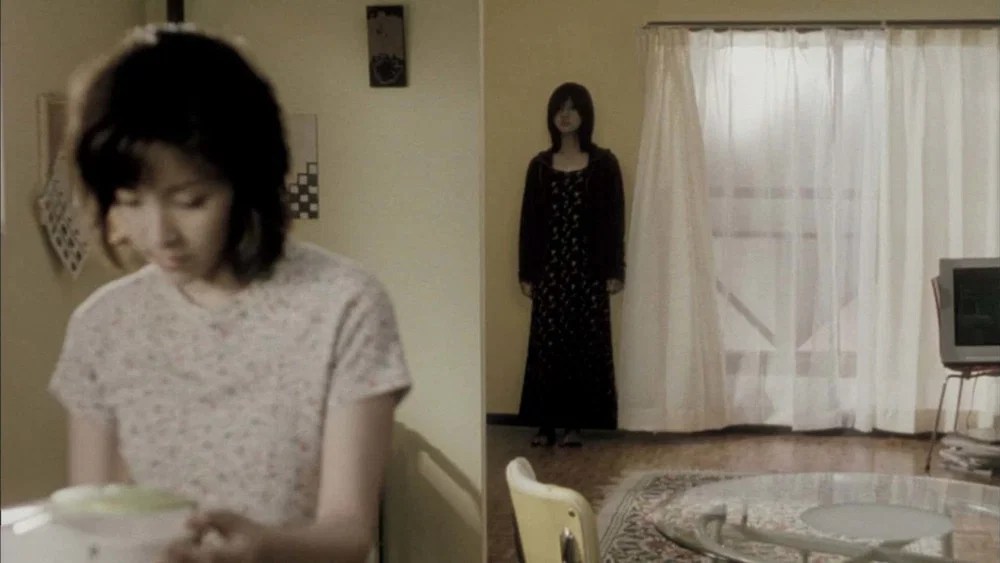
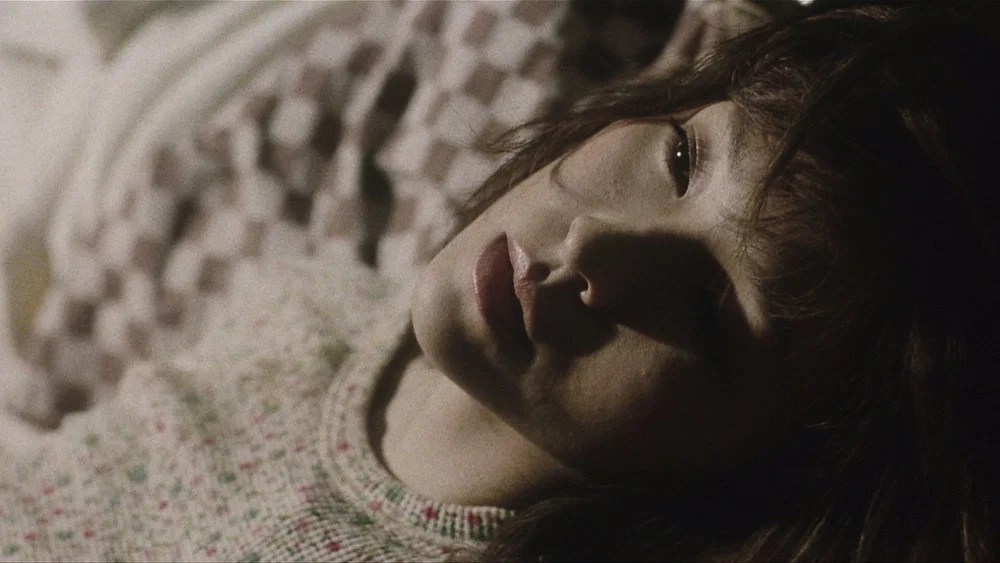
FURTHER THOUGHTS
- I need Michi’s knitted green top immediately.
- I wonder what the stocks for red construction tape were like after this film was released.
- The Droste Effect will never cease to be unnerving and also extremely cool.


Leave a Reply