Finally, a well-deserved win from Cannes!
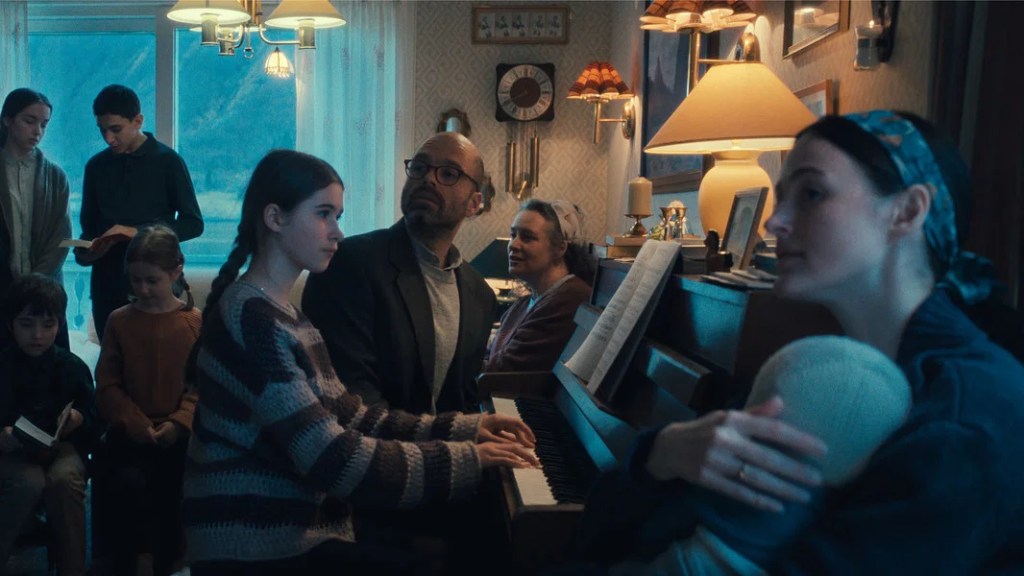
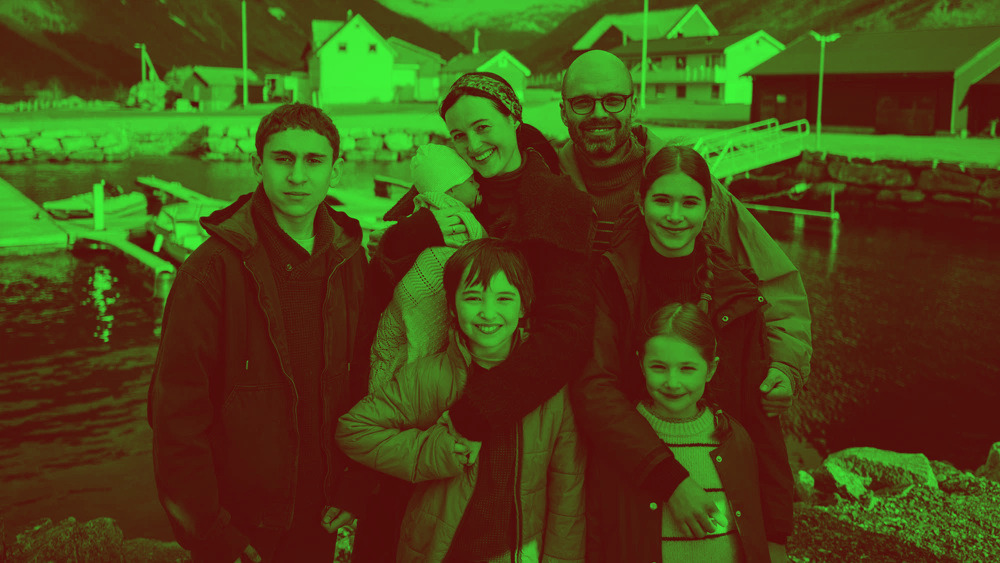
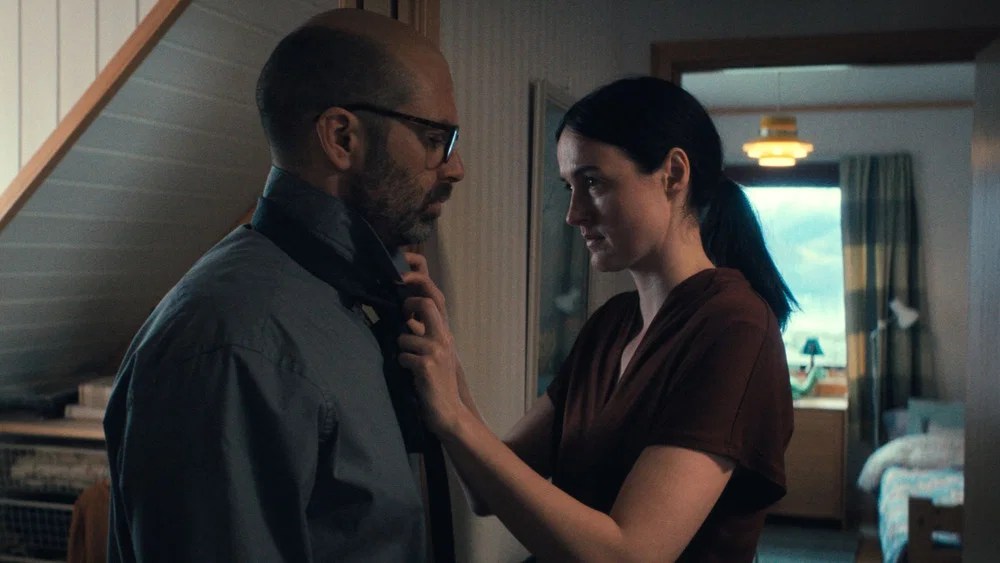
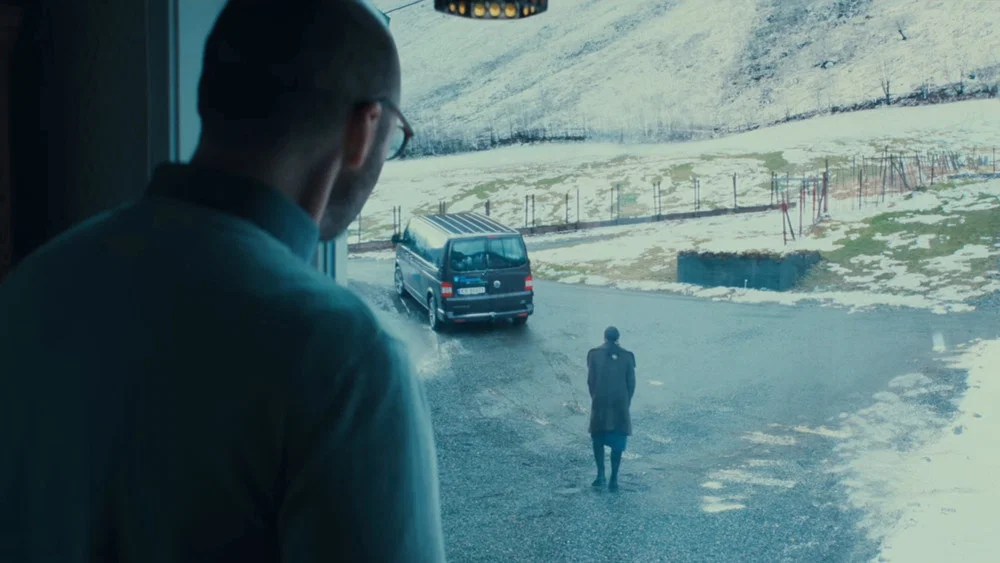
Set amidst the mountainous backdrop of Norway, Fjord tells the story of the Gheorghiu family, a Romanian evangelical Christian household who finds themselves under scrutiny after local teachers find bruises on the children’s backs. After the death of patriarch Mihai’s parents, he and his wife Lisbet and their children, including the teenage Elia and Emmanuel, move to Norway to be closer to Lisbet’s parents. At first, they seem to be settling in well. They find a church community to be involved with, and despite some cultural hurdles, they start to establish friendships with the Halbergs, their secular neighbors. But just as things are reaching a comfortable plateau, a brief scuffle at home is blown out of proportion and threatens to separate the family.
One of the main reasons this film has been talked about in major film festival circles is its interpersonal take on culture wars. Even though the subjects of culture wars seem far away, the discourse surrounding the subjects can turn benign individuals into something of an existential threat. What makes Fjord different is that its conflict starts on a small scale. When we are introduced to the Gheorghiu family, they are devout Christians, but they are far from bigoted bullies. They do live a religious life, but they rarely try and force their religion onto others in extreme ways. In fact, Elia and Emmanuel find themselves forming a friendship with their neighbor Noora, a rebellious teenage girl who gets them to come out of their shells. But when Child Protection services show up at the Gheorghiu household, Mihai and Lizbet find their place of belonging threatened. Their children are taken away, and soon they find their neighbors aren’t as sympathetic as they thought they were.
What I found truly impressive about Fjord was how Cristian Mungiu makes you empathize with both sides without exonerating anyone. Although Elia and Emmanuel aren’t the most well-informed people in the community, it’s clear they are just replicating what their parents taught them. The same goes for the Halbergs; even though their patriarch Mats disagrees with the Gheorghius’ parenting style, he sees them as their neighbors and his wife Mia goes out of her way to defend her neighbors once the allegations come out. It’s really hard to nail down a clear villain in the first half. Even when Child Protections take the children, it’s clear they’re not doing so out of malice, but more out of a miscommunication due to language and cultural barriers. Sometimes deliberate murkiness can make for a frustrating viewing experience, but this I was on the edge of my seat.
When the Gheorghius are separated, an avalanche quickly starts to form. Mihai and Lizbet take over as the protagonists of the story, trying to find out their next best steps. Paradoxically, they start to mirror their neighbors as the conflict deepens. Lizbet tries to be a peacekeeper, negotiating with lawyers and asking for neighbors to help with getting them in contact with their children. However, Mihai’s frustration with the Kafkaesque cards they’ve been dealt leads him to jump to more extreme methods, such as getting an international Christian community involved and turning a local dispute into something ideological. In one pivotal scene, Lizbet tries to work things out with Mihai while he’s chopping wood. In one of many stunning long takes, Cristian Mungiu lingers on the couple as they walk away, heading to opposite directions of the house. In their efforts to keep the family together, they are widening the distance between each other.
Throughout the film, the conspicuous absence of the kids lingers in the background. We don’t get to see them in their foster homes often, but when we do see Elia and Emmanuel, they don’t seem to have changed, except for new access to the Internet and social media. I found the absence of the kids the most compelling part of the film. Even though the adults are the ones making the decisions for “the good of the kids,” the kids are the ones who are most tolerant and resilient in the face of all the change around them. Sure, they’re not being faced with the legal nightmares, but Elia, Emmanuel, and Noora find a new kind of freedom while the scandal is unfolding. Whenever Noora invites herself over, Elia and Emmanuel climb out their window for her. They keep in touch, even when it’s not convenient. Their adolescence ends up being their greatest strength. In spite of the adults attempting to exert control, their rebelliousness indicates a hope that maybe they can bridge the gaps between their communities.
Still, the film’s bleak tone makes it clear that no one is getting out of this easy. Cristian Mungiu iterated in the Cinema Society Q&A that he wanted to depict life as it is, not to stylize it in any way. He didn’t want to take inspiration from other films, but from life itself. As such, there’s a plethora of long takes that almost feel like the person behind the camera forgot to stop recording, leaving us right in the middle of the action. It’s especially prurient during the courtroom scenes, where the movement of the attorneys around the witnesses starts to resemble a predator surrounding its prey. Even if they doesn’t get the answer they want, the attorney’s presence still means that they have won by virtue of being there. And by their being there, the Gheorghius are transformed from a family into subjects of a criminal investigation.
Like The Death of Mr. Lazarescu, Fjord tells the story of flawed people whose journeys reflect broader societal ills with little easy means of resolution. Even if Mihai and Lizbet get their children back, what will they do then? They can’t go back to normal, as bad as they want it. They might have a stronger religious community now, but their associations with more conservative elements means that their broader neighborhood may see their religion differently. Every step taken in this film means that a snowball has ballooned into an avalanche, where the truth is buried beneath a flurry of details. By the time it’s reached, it might even be rendered moot.
FURTHER THOUGHTS
- I appreciate Cristian Mungiu calling out a particularly snobby French critic at Cannes. French cinema might be legendary, but the people are certainly an eclectic bunch.
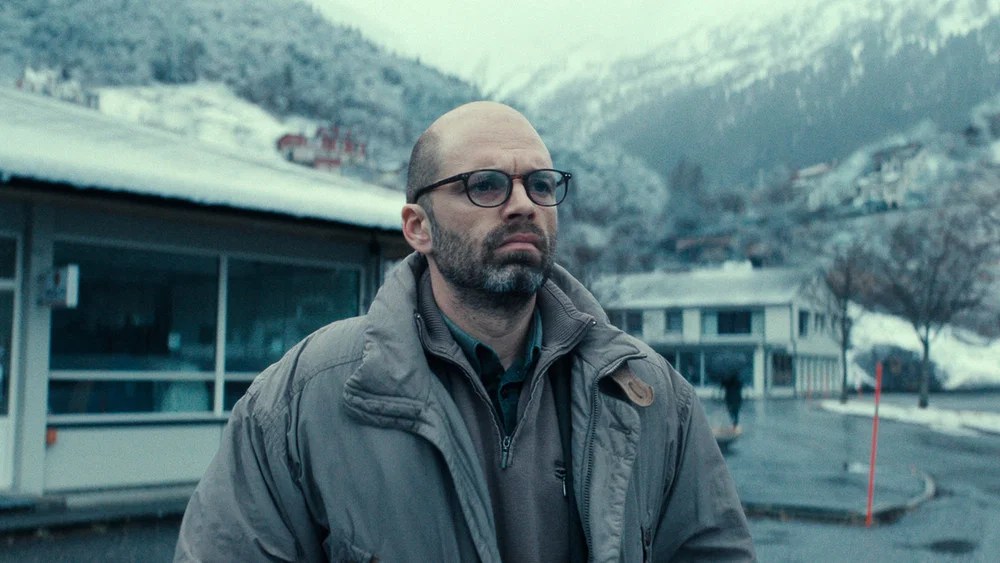
- Mungiu also brought up how attractive Sebastian Stan is in the Q&A, which I loved to no end.
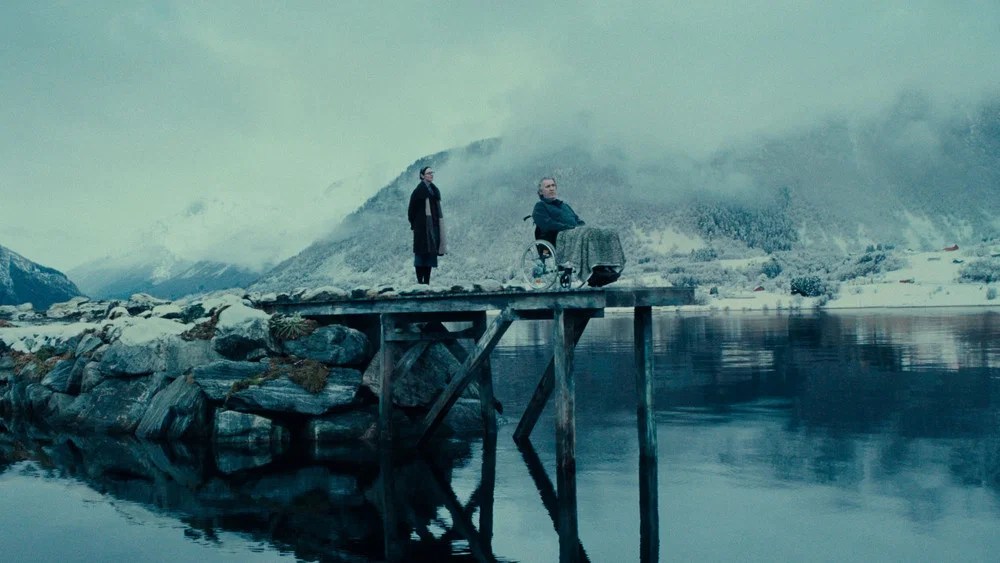
- Is it weird to be jealous of Norwegian water?



Leave a Reply