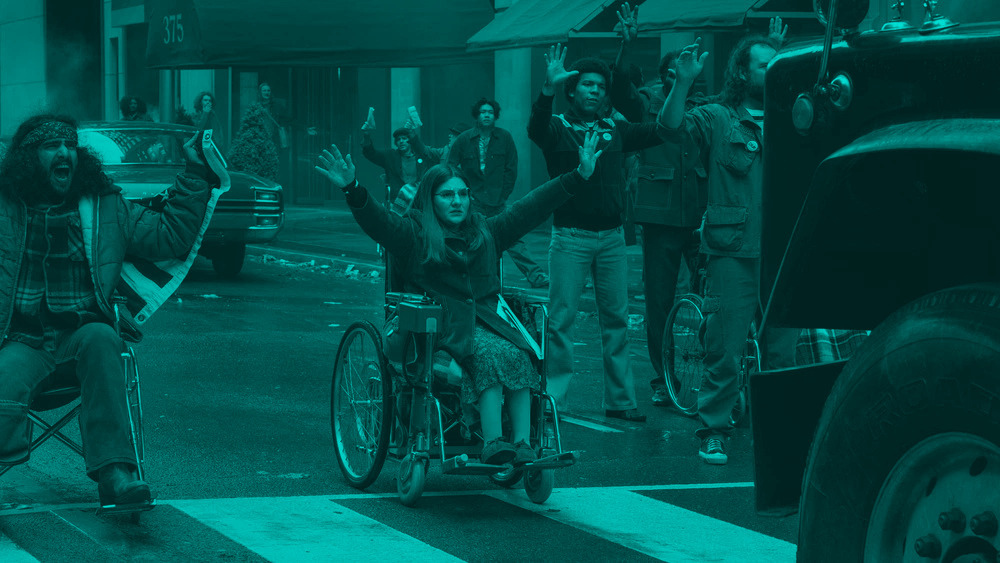
Judy Heumann was a badass.
I’m glad we’re starting to make a return to making feel-good movies. As much as I am a fan of movies that are reasonably cynical with a side of hope, there’s also something to be said for insatiable hope. Sure, it’s hard-fought, and kind of annoying to cling onto at times even when it seems like the cards are stacked against you, but for some people it’s like oxygen. It’s a basic right that needs to be afforded.
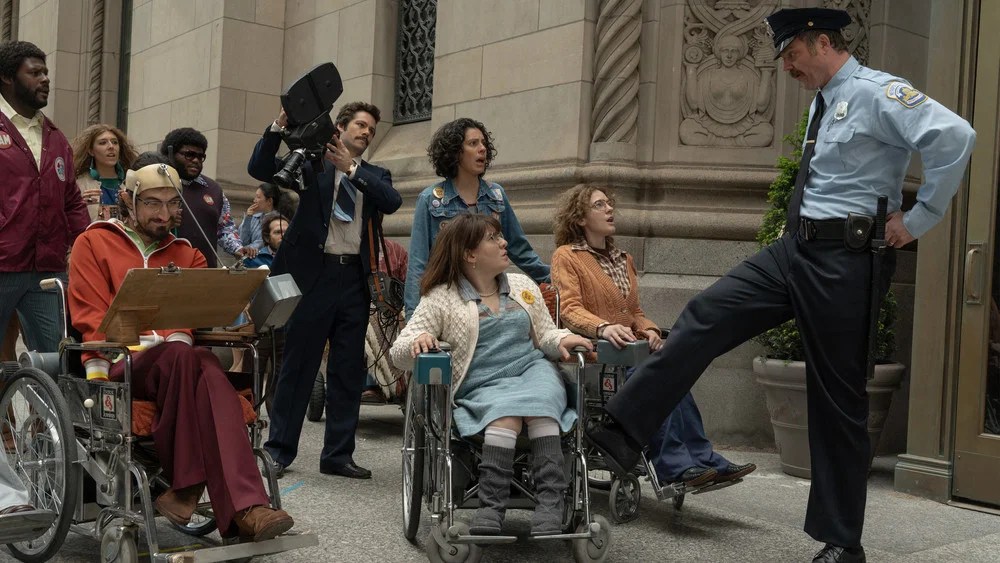
After her Oscar®-winning CODA, Sian Heder is back with another film about people with disabilities, this time centered on a real-life sit-in demonstration in 1970s San Francisco demanding basic accessibility in daily life. Ruth Madeley plays Judy Heumann, a woman living with cerebral palsy who helped jump-start the sit-in after making countless phone calls to Joseph Califano, the United States Secretary of Health and Human Services.
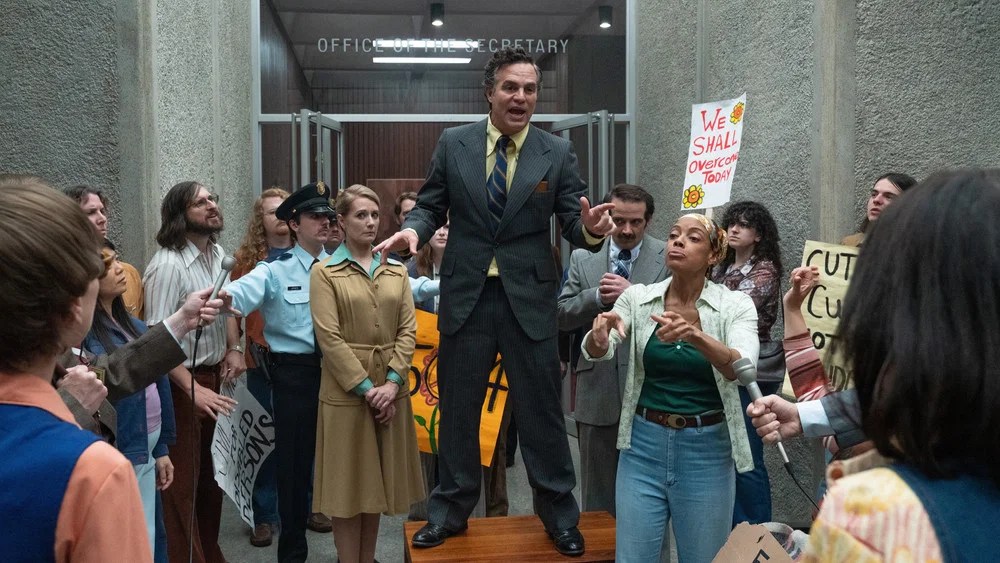
I found myself smiling and laughing along with everyone else at the Cinema Society event at the McHurley Film Center tonight. As much as it was a film about struggle, I appreciate how it never went out of its way to make anybody hateful or one-noted. Sure, Mark Ruffalo’s Joseph Califano is a giant prickly weasel, but at least his character existed. Much more of the film’s focus is on the movement itself, and not on the factors debilitating its success.
So who were these people? Well, they were a lot.
Ruth Madeley is incredible in this. When she came out for the Q&A, I was astonished to see she was completely different than Judy Heumann. She was kind, charming, and quite not the bold, crass, and unapologetic woman she played onscreen. Being Heumann understands this, and makes Heumann the hero of not just her own story, but also the story of the movement she helped lead. Even though she was an asshole, she was the drill sergeant that reminded people of what stakes they had.
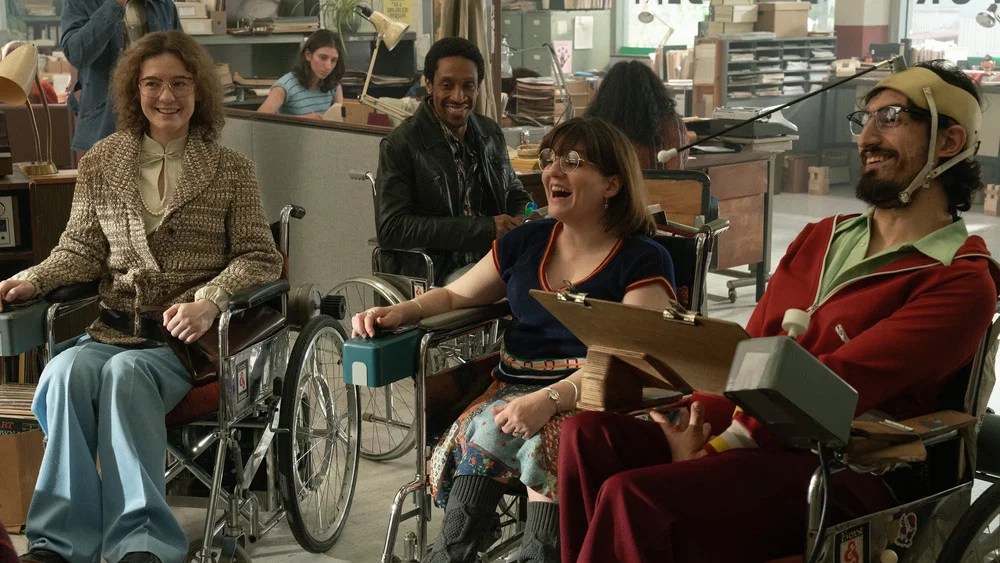
It’s only when she’s alone that we start to see the cracks in the armor. As much as she wants to keep fighting, there’s also a part of her that cares, and is desperate to make sure that in keeping the movement alive she doesn’t prematurely fracture it. We see this reflected in the other activists too, who have disabilities such as cerebral palsy, dwarfism, blindness, deafness, etc. People need different kinds of accessibility for their different disabilities. How can you fight for one?
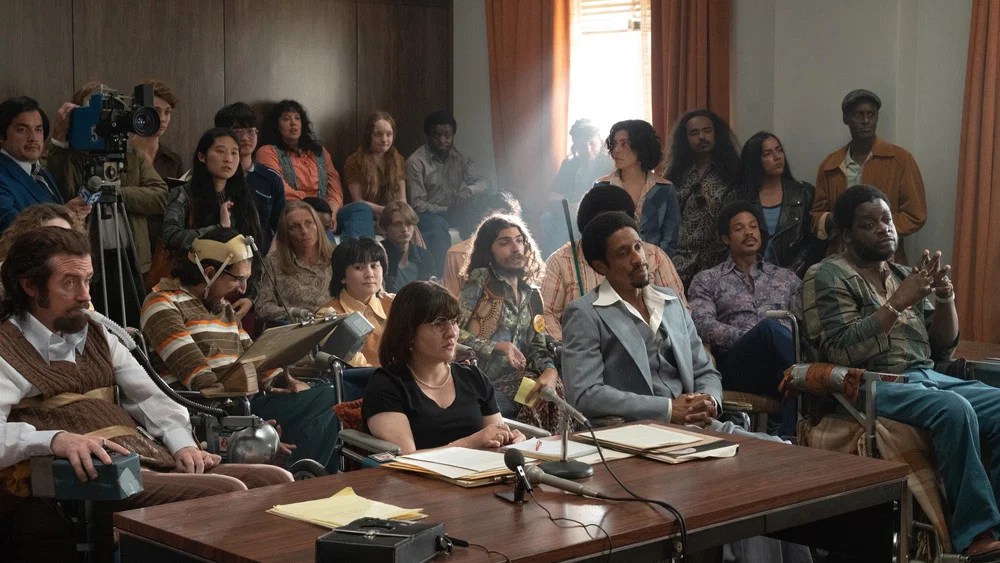
As awesome as this film could be in several parts, part of me felt like this film could have gone deeper. Being Heumann felt both a love letter to the fight for disability rights and also a paint-by-numbers biopic. There’s a testimony scene where disabled activists talk about their personal experiences, and I felt like it could have been more than just talking heads. They were inside a building for several weeks, and created a community of their own in spite of the phone lines and access to food getting cut off. They were holding classes and organizing. They had a sex tent! You’re telling me they could do all that but we couldn’t hear more of what their daily life looked like during the occupation?
The overarching footage on Judy Heumann can also detract from the other real-life activists featured in the film, like Kitty Cone and Brad Lomax. We do get a couple of scenes of Brad Lomax, a member of the Black Panther Party, talk about his experience going from a frontline protester to just another object of pity, but the streamline format of the biopic prevents us from learning more about him. I appreciate the focus on Heumann and the important work she did, but it wasn’t just her. It was a collective effort.
The frustrating thing about writing reviews about films like this is you don’t want to shoot the message, but it’s hard to write about critiquing a film’s style without sounding like you’re slamming the film as a whole. Because I genuinely enjoyed the experience of watching this. It was immensely satisfying to see a collective effort be realistically depicted as something binding and fulfilling, yet suffocating at the same time. The depiction of intersectionality within the disability movement was awesome, especially with the inclusion of the Black Panthers. But this film felt stifled in its scale.
Being Heumann feels more like the first chapter of a trilogy rather than a complete film. If you want to learn more about the disability rights movement, this is a good film to start with. This film isn’t the whole discipline. This is a preliminary course in disability history. But that’s not a bad thing–sometimes Disability History 101 can make for a pretty good film.
FURTHER THOUGHTS
- I’m glad Mark Ruffalo is continuing his streak from Mickey 17 of playing annoying little assholes who find themselves in positions of power.
- Apparently they built period-accurate wheelchairs for the actors in this film, which feels excruciating uncomfortable.
- I like that this film touches on that we’ll all be disabled one day. Whether it’s by circumstance, age, or death.


Leave a Reply