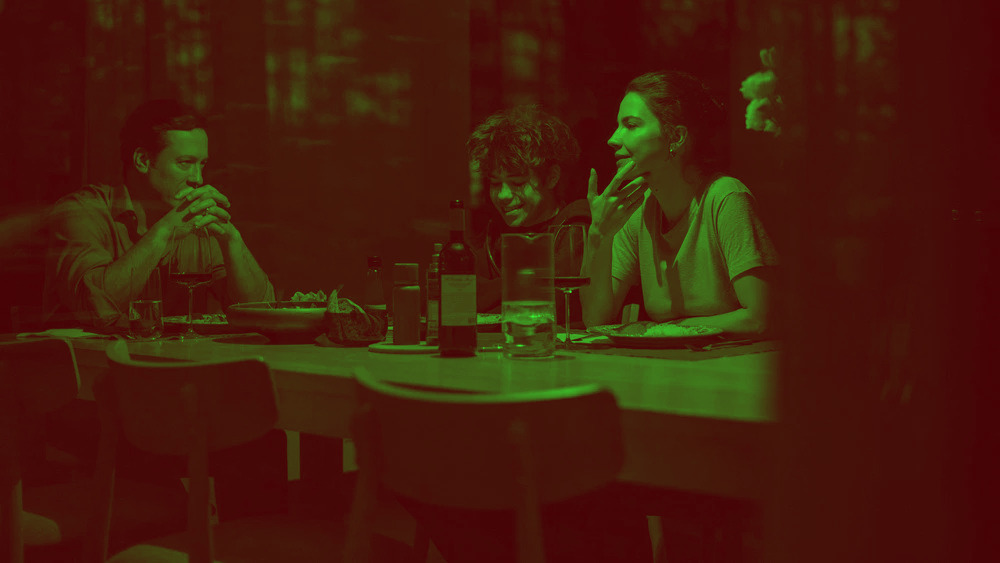
Is Minotaur a political thriller disguised as a domestic drama, or a domestic drama disguised as a political thriller?
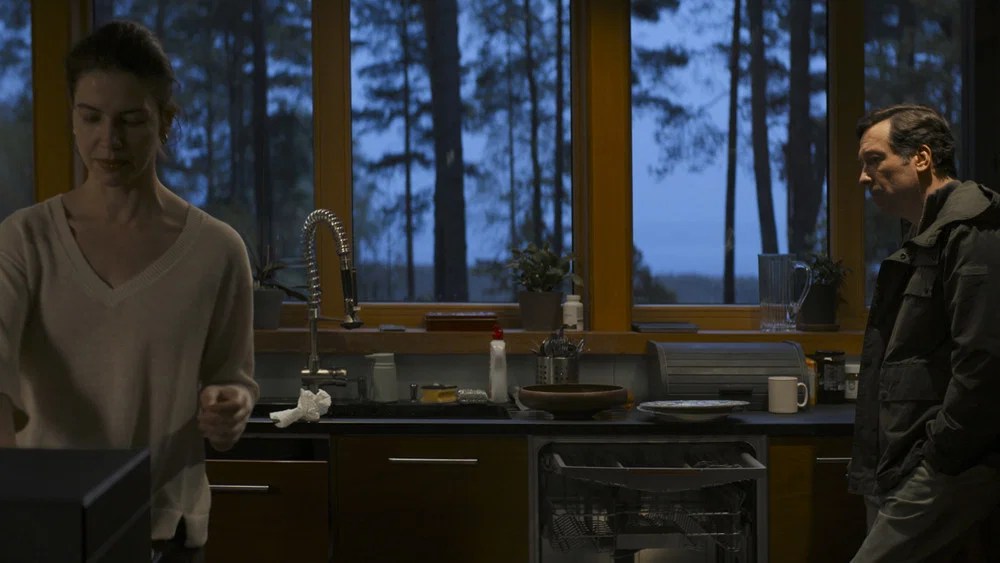
In Andrey Zvyagintsev’s first film produced in exile, Minotaur follows Gleb, a corporate executive who discovers is wife is having an affair as the Russo-Ukrainian war begins to unravel. It’s based off of Claude Chabrol’s novel The Unfaithful Wife, which I’m curious to look into after seeing this film. Because not only was the subject matter of this film interesting, but I have a feeling the story would have been improved if it wasn’t in cinematic form.
Pacing-wise, this film has the same flaws as Filipiñana. Andrey Zvyagintsev is well-known for relying on long takes and bleak atmospheres in his work, and while it worked for his debut feature The Return, I would have appreciated some tighter shots.
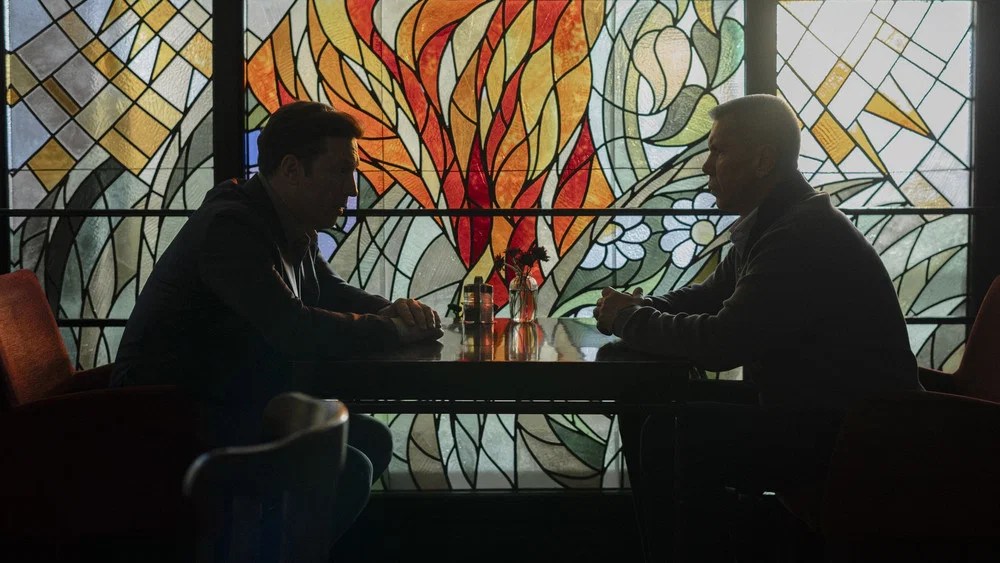
In some of the more effective scenes, the long takes are quite striking. You feel compelled and tempted to observe, even though you know something is about to go down. And when something does happen, you feel like you can’t look away. It’s like someone turned on the camera and left, and you don’t know whether to turn it off or keep watching. You find yourself questioning your own role as the spectator.
But for me at least, Minotaur felt a lot longer than it should have. There’s scenes in the beginning and at the end that could have been left on the cutting room floor. It does give insight into the characters, but they’re shot in a way that doesn’t make it clear who we’re supposed to focus on. When I look back on some scenes in the beginning, I find myself questioning if they could have shot it another way. Zvyagintsev knows what he’s doing, but it’s still confounding.
But technical problems aside, Minotaur feels confusing in how it handles the domestic drama and the political conflict. I feel like this film was misconstrued as a political thriller when it’s really about a family quietly falling apart, with the war being tied in.
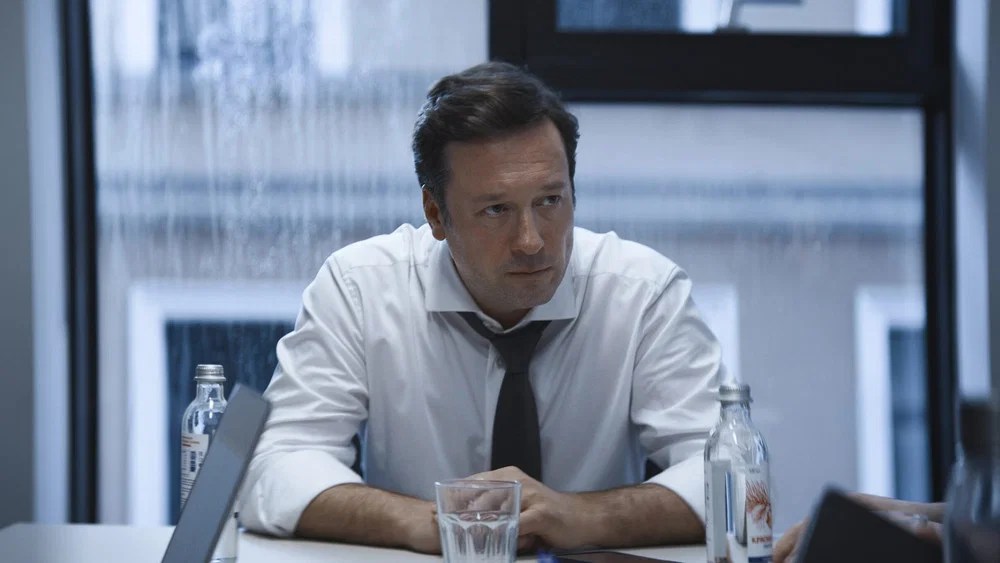
I commend Zvyagintsev for going after the forced mobilization Russian men are enduring. One of the film’s main subplots finds Gleb having to come up with a list of 14 men (mirroring the fourteen men who were sacrificed to the Minotaur in the original Greek myth) for the federal government to send to the front. It’s clear he doesn’t want to do it, but he feels as if he has no choice. Despite being a powerful man in the community, he can’t stand to look the men in the eye as they’re being sent off. It doesn’t help that in the streets, you can see soldiers disembarking from buses and amputees walking the street, as well as anti-war graffiti and propaganda billboards. When war is a constant presence in your daily life, its rhetoric can become your god.
But the dual narrative with the domestic drama feels less earned. If you’re going to have two narratives, they need to complement each other. There needs to be some parallel actions and threads that make the themes stand out more, otherwise it just feels random. To this film’s credit, Gleb does act as a very good thread. As he becomes more involved with the fascism in his country, he turns into more of a fascist himself with his family, disregarding his wife’s feelings and acting in his own self-interests. But there needs to be more than just one character. There has to be more meat to the plot, and the dual threads just rarely connect.
I’m a little bit bummed about this one, because The Return was one of my favorite films I studied in college, and sometimes bleak atmospheres just work for me. But with the balance being so off, I felt let down.
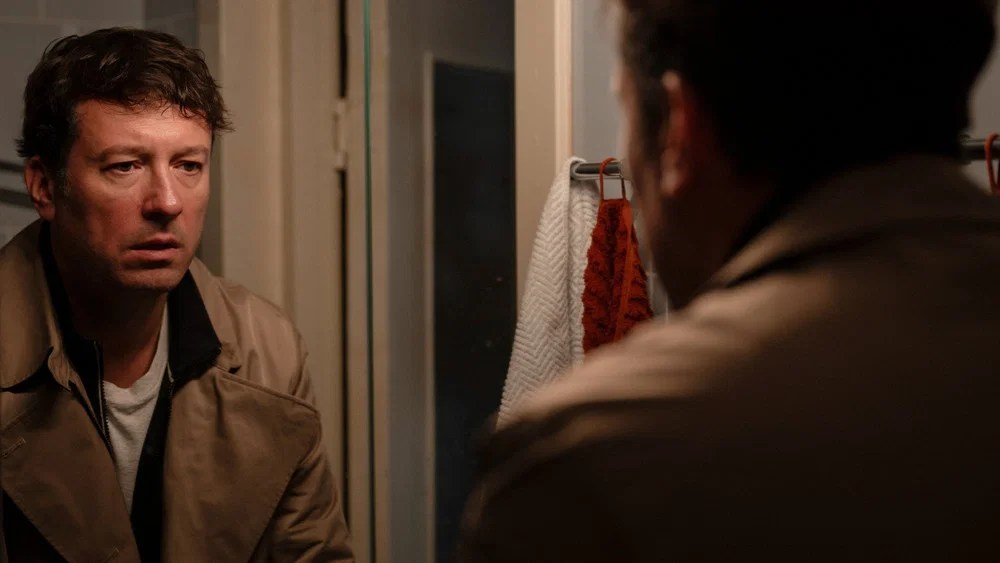
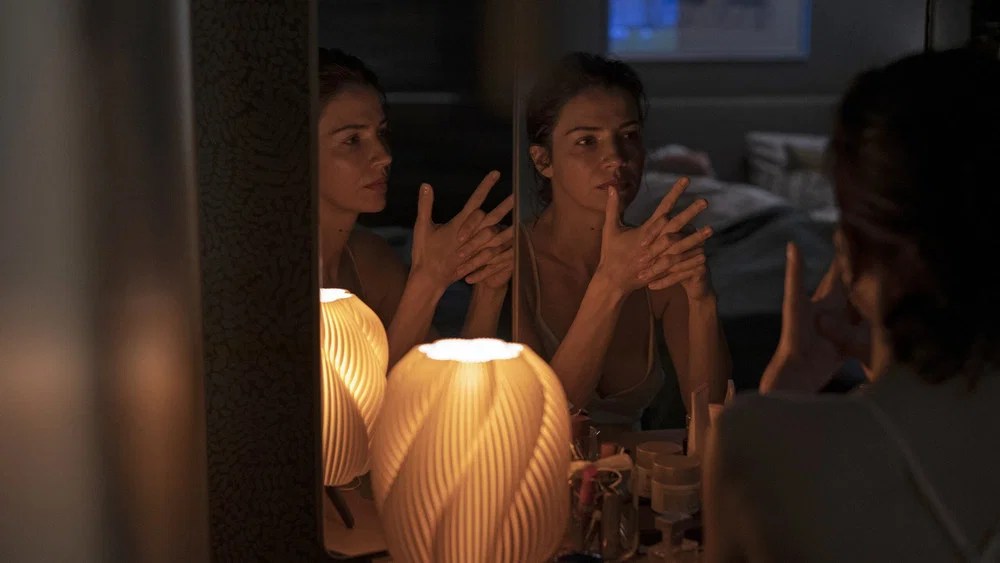
FURTHER THOUGHTS
- Zvyagintsev revealed that Western audiences tend to laugh more at this film than the Russian audiences, which is quite interesting, if not a bit off-putting.
- The son was the most relatable character.
- Galina was truly brave for not pulling the shower curtain completely closed.


Leave a Reply