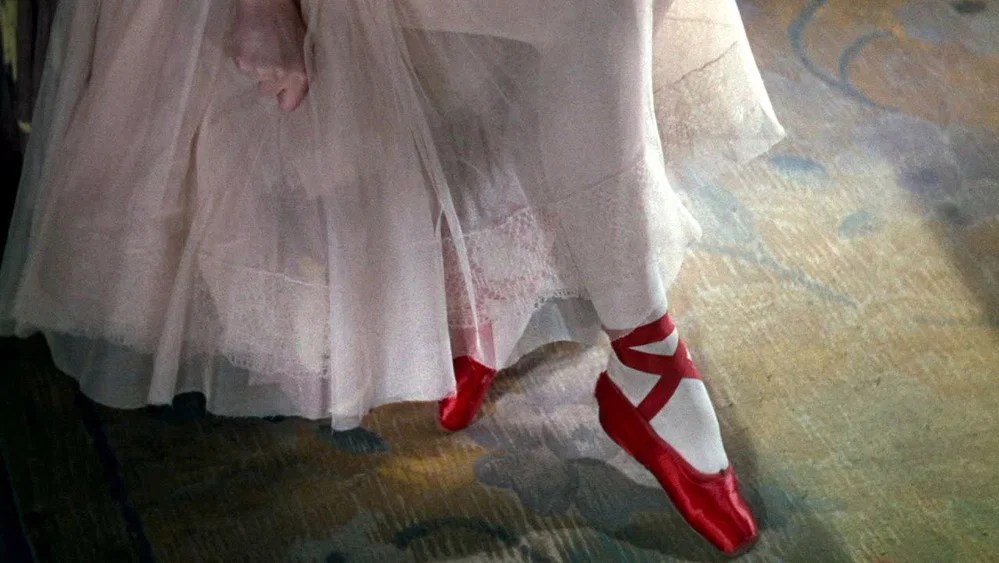
The Red Shoes is not your average ballet film.
When we meet the three central characters, they are all privy to the world of ballet. In Boris Lermentov’s case, he is the main patron of the arts all aspiring dancers must go through to be featured in one of his shows. Regardless of how talented they are, they must show complete and utter devotion to dance, even if it means they are let go for simply getting married. He doesn’t have time for ingenues who are dancing at private parties. Victoria Page, however, is one of those debutants.
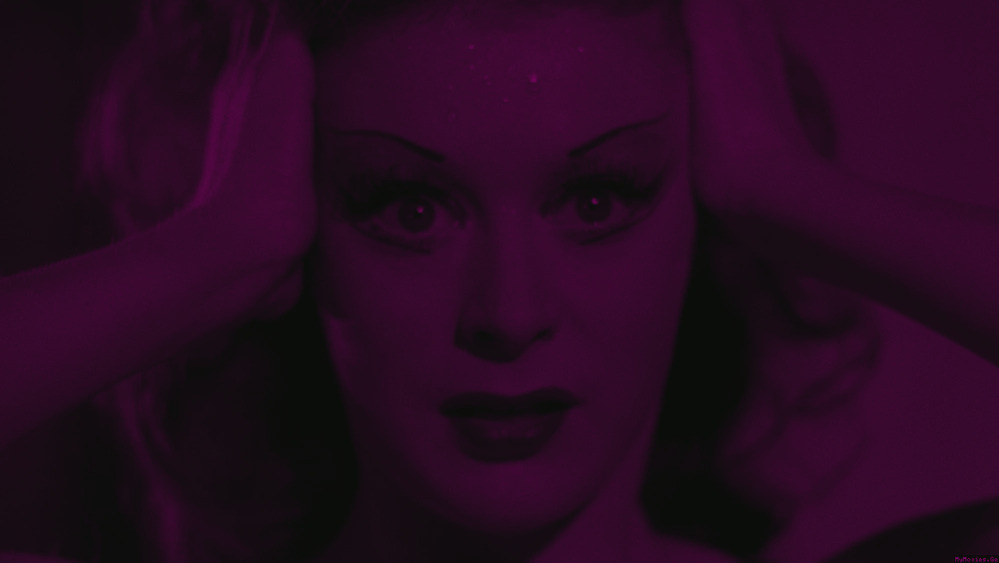
She is first seen in a tiara, looking at one of Lermentov’s performances through a pair of binoculars. However, she is no princess–she is just a person who sees art not as just a dance, but as a way of life. She sees herself as merely the instrument through which ballet orchestrates. When Victoria and Lermentov first meet, they are simultaneously repulsed by and attracted to one another. The one thing that binds them together is that they cannot live without their art.
Stories about ambition are so captivating because it’s easy to assume from an indifferent viewer that a character’s career or passion is just one path they can take. If it’s so demanding on the person, then why can’t they just switch? But it’s not that simple.
Artistic disciplines like ballet can be a path where no matter how much you try, all you have to live on is crumbs. When Victoria gets her part, she finds herself in the back row. She is talented, but simply not worth Lermentov’s time. But when he finds her performing Swan Lake at a ramshackle venue in London, he realizes it. Victoria is no longer a dancer. She is something else entirely. Something beyond definition.
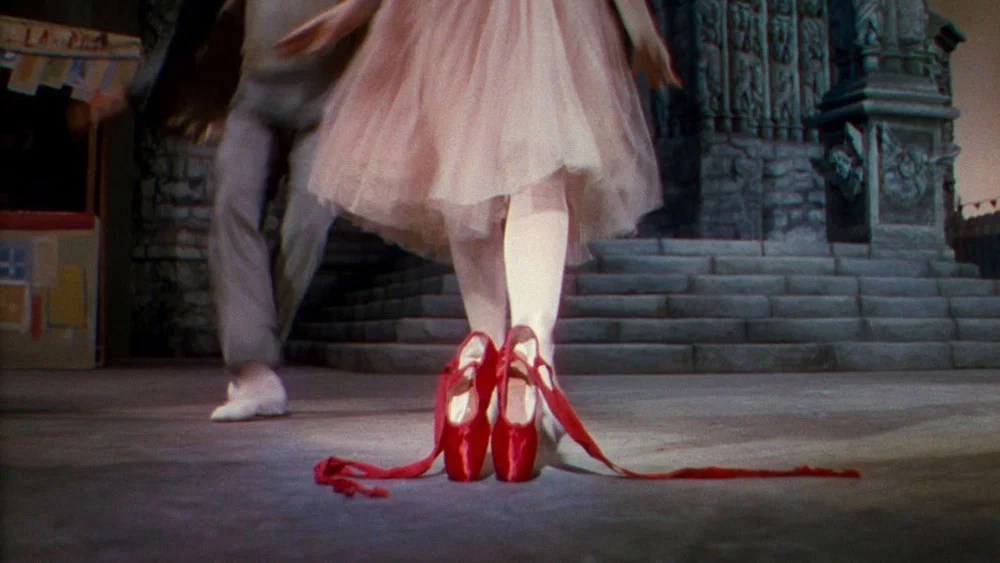
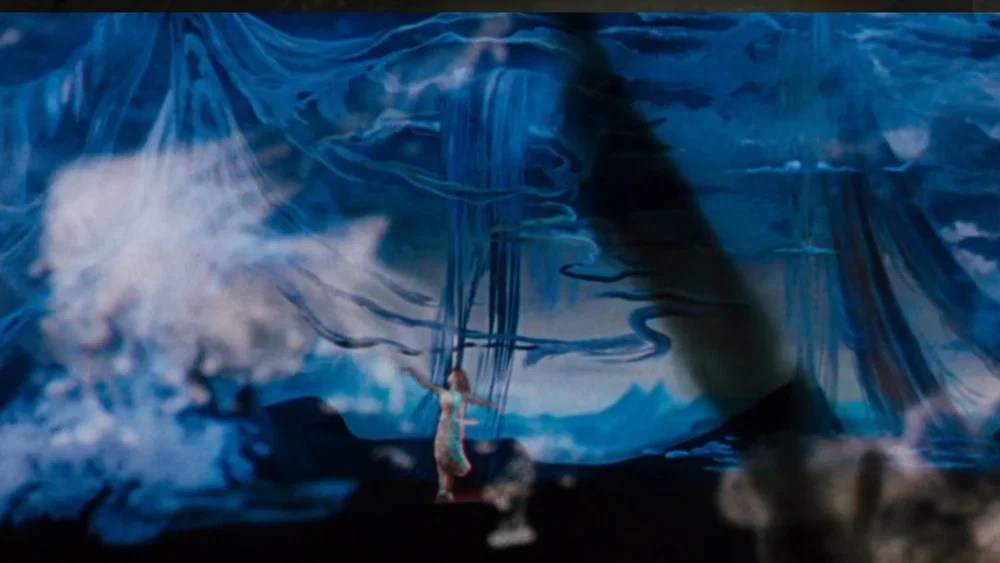
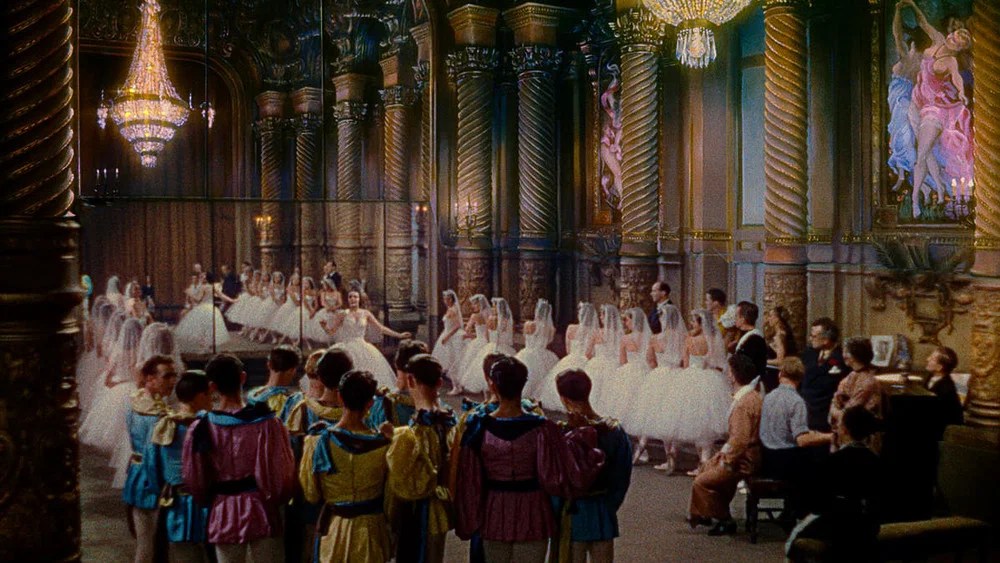
Lermentov casts Victoria in his newest ballet The Red Shoes, based off the fairy tale written by Hans Christen Andersen. When she enters the stage, the camera completely eschews an objective perspective. Most films about dance and performance look at the stage from the audience, casting them as mere objects of an entertainment for blank-faced members of the public. But what directors Michael Powell and Emeric Pressburger do is to surrender the film to the subjective. When Victoria dances onstage, she is a force of nature. In fact, she is not limited to the confines of the stage in her role. She floats through the stage as the architecture defies reality, expanding her mind and limiting her world to that of the stage.
She’s anxious when she feels the spotlight, but dynamic when dancing with the shoemaker. She’s weightless when the score kicks in, but powerless to the shoes she’s wearing. The stage transforms from a set into a reflection of Victoria’s inner life. She feels everything intensely all at once. When it’s time for curtain call, reality feels disappointing.
The film’s plot can easily be reduced to a man vs. career debate, where Julian Craster, Victoria’s love interest and Lermentov’s former composer, convinces her she doesn’t need ballet anymore. However, Lermentov sees Victoria as an extension of himself, that he can’t have the same artistic magic without someone who’s devoted themselves completely to the art form. I was caught off guard when I realized this would be the plot at first. All that dancing for this?
But that’s what makes The Red Shoes such a captivating watch. It’s not just about ballet, and the all-or-nothing environment of performing arts. It’s about art itself. Choosing art as a career is not a decision one makes lightly. If you succeed, you’ll find yourself with a fulfilling career that will make you renowned across the world. Millions will scream your name and you will become a legend. But you can only get so far. Show even the slightest mark of weakness and emotional sensitivity, and you’re cut loose.
Lermentov desires nothing but perfection. Victoria sees art as more than that. It’s about being in complete control and having none of it at the same time.
We’ve all had moments where we completely surrender ourselves to the emotional and instinctual. It amplifies everything. It turns the ordinary surreal and the surreal ordinary. The Red Shoes personifies that feeling perfectly in every frame. The Technicolor is utterly bewitching. But what’s even more enchanting is the feeling you get watching Victoria Page transcend reality–and herself–in this tour de force.
FURTHER THOUGHTS
- I love how gothic and non-gothic this film is. No wonder Guillermo del Toro and Martin Scorsese love it.
- I got excited because I thought Moira Shearer was related to Norma Shearer, but alas she is not. Bummer.
- We really lost so much as a society not painting more sets in today’s films. Green screens suck ass.




Leave a Reply