For my final film of the SBIFF French Wave Festival, I watched Case 137, screening at the McHurley Film Center. This was one of the first films announced for this year’s selection, and I immediately got hooked. After Souleymane’s Story captivated me last year, I knew I wanted to explore more contemporary neorealist French films. Not just because neorealism can be a fascinating genre for exploring social inequality, but the genre takes on a special meaning when it’s based in France.
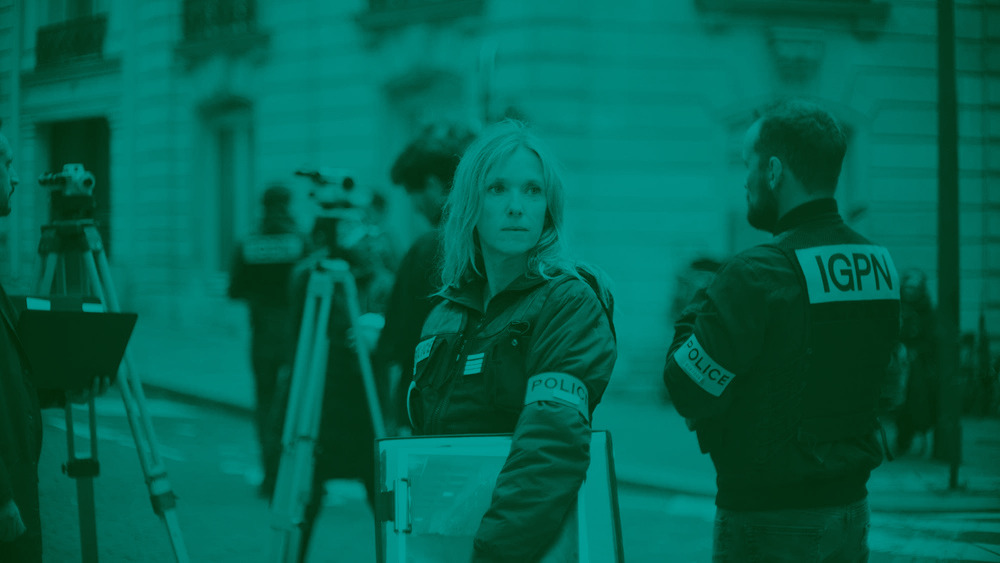
Case 137 begins when Stéphanie, an internal affairs officer in charge of investigating officer misconduct, questions a police officer about him throwing a projectile at a group of protesters. He doesn’t seem to see the issue, seeing as he’s been on the front lines of a perceived war against the police and state of order in France. Stéphanie isn’t buying it, but the film makes it clear this is far from an abnormal occurrence. So when a young protester is incapacitated by a flash-ball projectile during a nonviolent encounter with the police, Stéphanie goes on a mission to bring her fellow officers to justice.
France has long prided itself as being the nation where the French Revolution took place, and where the principles of “liberté, égalité, fraternité” were founded. However, this film takes those sentiments and puts them under a more critical light. Stéphanie is competent at her job, but she often finds herself at odds with other people in the police force, who see her work as doing more harm than good. This is especially prurient during the events of the film, which take place during the Yellow Vest protests in Paris. At the time, people were congregating in Paris to advocate for lowering taxes and easing the burden on the middle and working class. The police response was incredibly blunt and disproportionate; as demonstrated in the film, the police focused more on getting forces out to quell the protests rather than following procedure and providing oversight.
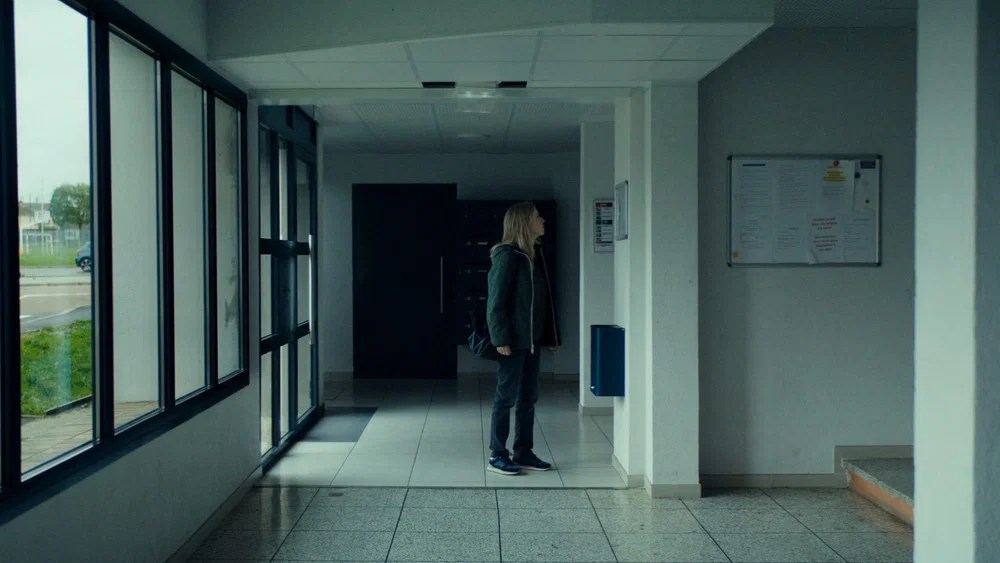
Stéphanie’s main conflict comes in when she discovers that the victim of police brutality came from her hometown of St. Dizier, a peri-urban town in northeastern France. Even though her family and the victims’ only crossed paths a handful of times, Stéphanie is determined to find the people responsible for the brutal interruption of a young life. The lines between the personal and the professional start to blur together. This isn’t just a faceless person on the street, but rather someone who could have been her.
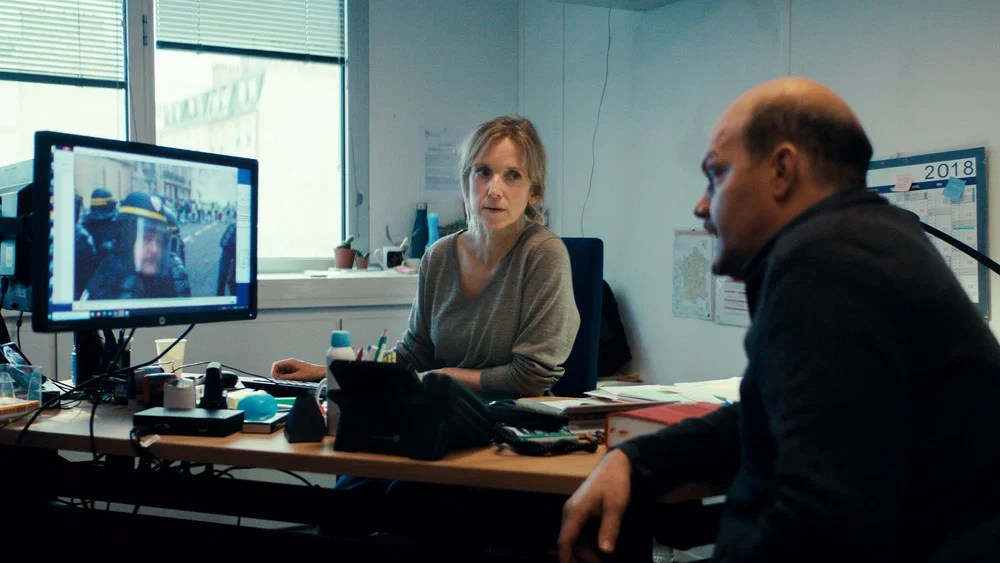
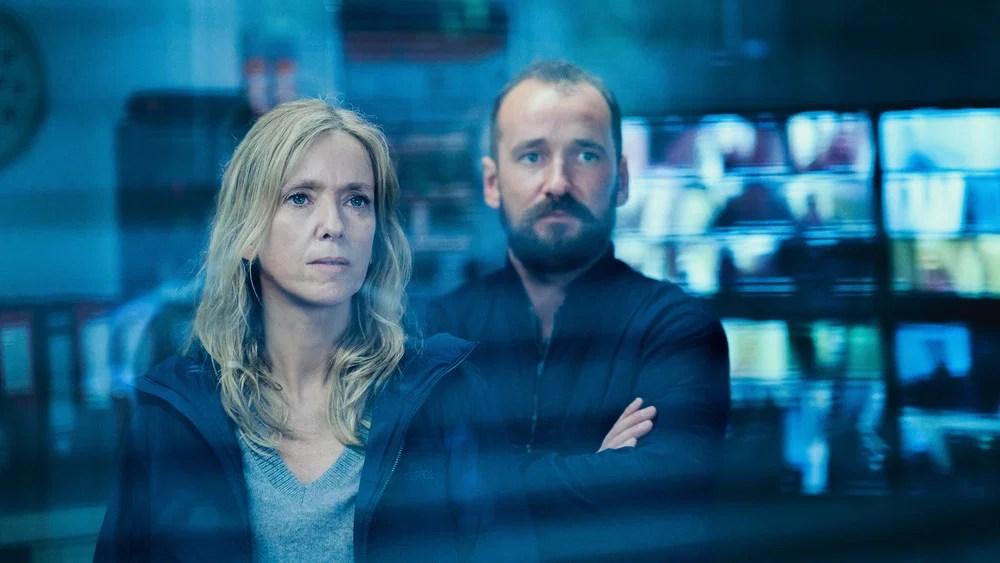
Case 137 is an unnerving experience largely because its protagonist is trying to remain objective, but with more and more resources at her disposal, she starts to become an agent of surveillance itself. We get many shots throughout the film of Stéphanie and her coworkers combing through CCTV cameras, phone footage, and hospital images to get to through the truth, with images layered on top of one another in superimpositions that make the audience a part of the investigation as well. That being said, it’s almost unsettling to see just how much surveillance is part of modern-day police work. Now that we have the power to watch, what do we do with it?
This extends to Stéphanie’s morality as well. As the investigation starts hitting more dead walls, she starts to get more desperate and is willing to follow people she has talked to in order to get closer to the truth. In one sequence, she follows a maid home from her shift at a hotel, even when she sees that her person of interest is noticeably uncomfortable and looking back at her. Even though she should be objective, Stéphanie can’t afford to. I was questioning whether to put this film in the drama category, since there are shades of film noir and thriller in here. It’s sad that I couldn’t, because the film could have gone in a lot more interesting direction.
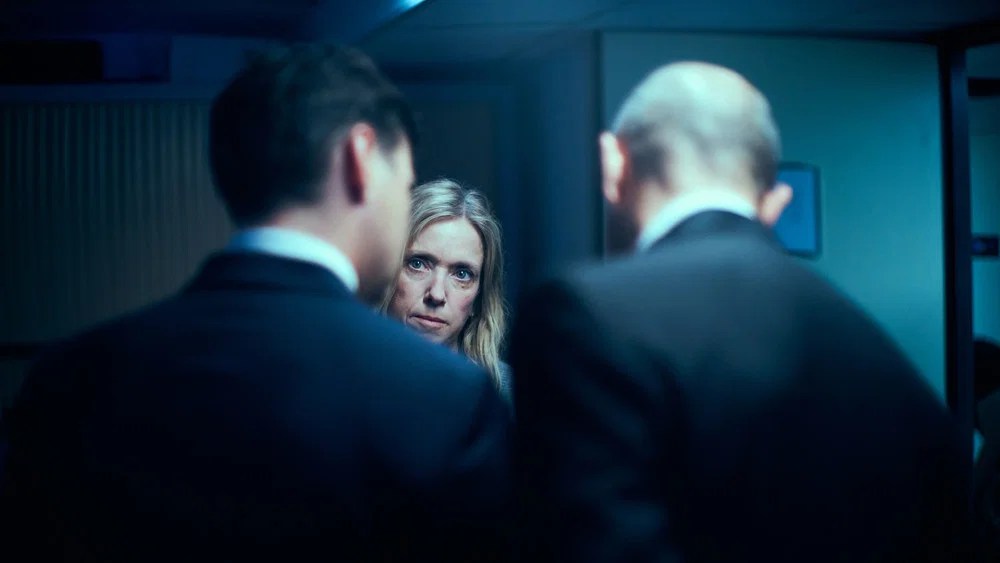
Case 137 stands on its own, but there are more avenues I wish it could have explored. Stéphanie is an excellent character perfectly portrayed by Léa Drucker, but I think she could have gone in a more dubious route. The film seems to be more invested in Stéphanie’s personal pursuit of the case rather than the institutional roadblocks of policing, to the point where it’s almost an afterthought in the film’s third act. As a result, Case 137 seems to slide into copaganda territory at times, showing off the police tech and having one police officer who’s committed to doing the right thing, no matter how many personal boundaries she crosses. But at the end of the day, what is that going to do in this one case? If it were someone else, would Stéphanie have reacted the same? For a film dedicated to finding something close to a satisfying answer to an almost unanswerable societal problem, the film seems to get close before leaving it up to “It’s complicated.”
I preferred this over The Little Sister for its consistent tone and tense social commentary, but Case 137 has been bugging me ever since I saw it last week. One film can’t contain all the complexities and multitudes of police violence into an palatable two hours, but for a narrow-minded focus, it seems to stumble upon its own investigation.

FURTHER THOUGHTS
- There’s a stray cat in this film, and it’s beautiful. Which is also weird, because a stray cat showed up on my family’s front porch last week, so maybe it’s a sign?
- I don’t think I could ever make small talk in a grocery store. People are moving, I would just get self-conscious.
- Police unions just piss me off.


 BEYOND THE FRAME
Leave a comment