Hot Fuzz was better.
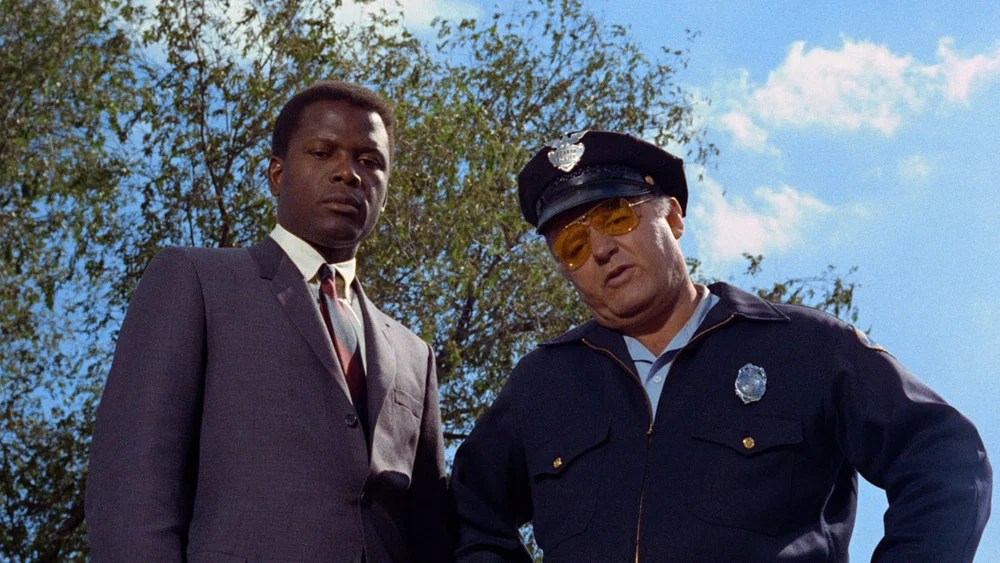
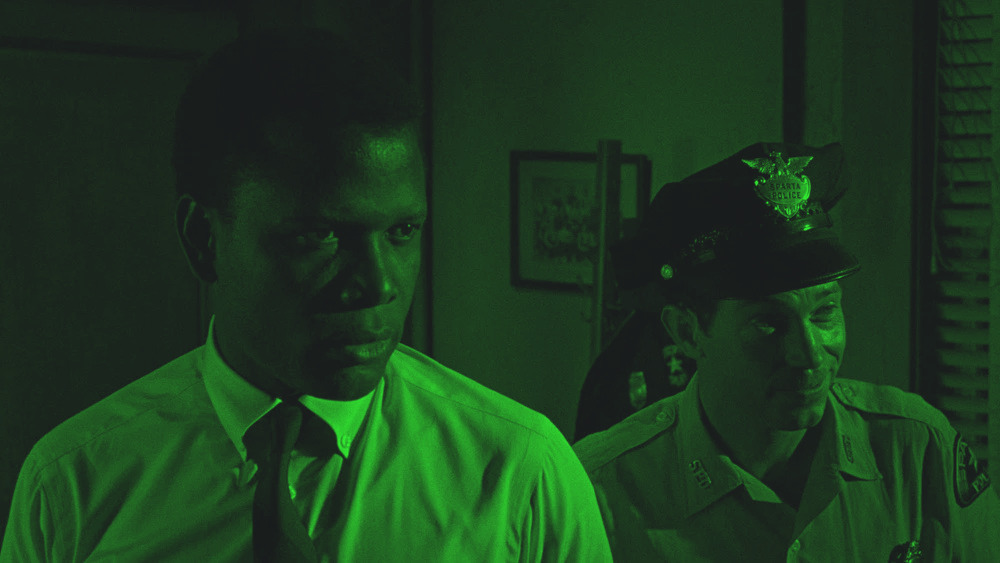
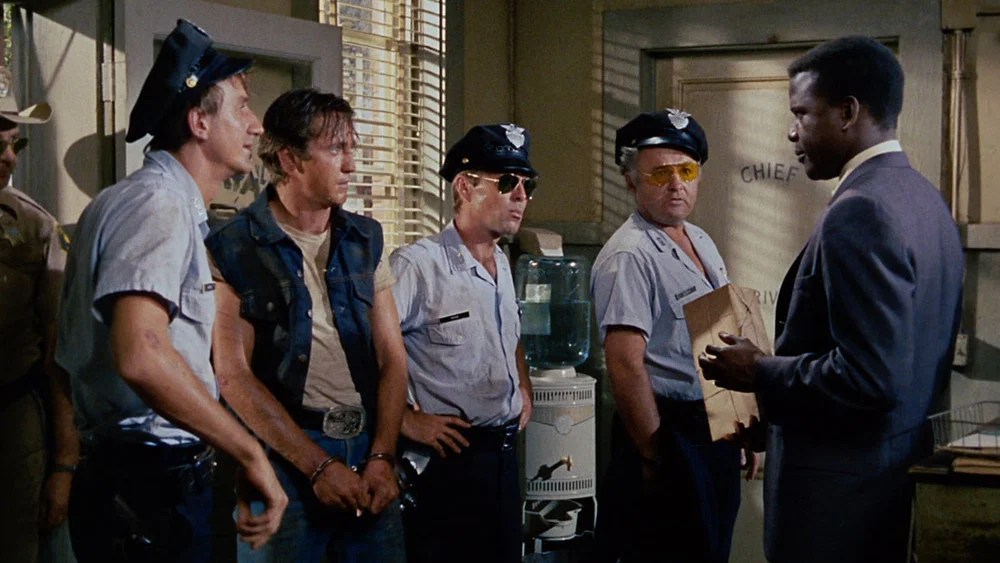
When Mr. Virgil Tibbs steps off a train into the rural town of Sparta, Mississippi, he doesn’t expect he’ll be arrested for having a big wallet on the night that a wealthy industrialist is killed. He may have expected something, given the tense resignation suggesting he’s been down this route before. When he’s dragged down to the police station, the police officer who arrested him and Gillespie, the local sheriff, scoff at the idea that he just happens to be paid $162.39 weekly. It isn’t until he flashes his police badge that Gillespie shuts up. Up until this point, Virgil was a Black man. Now, he’s Mr. Tibbs.
The late 1960s represented a turning point for Hollywood. Musicals and the studio system were falling by the wayside. Audiences didn’t want to see films that provided an escape from the real world–they were extremely disillusioned by what they were seeing on television and in the streets, and wanted films that represented the boiling anger they were seeing at how their societies were failing them. Everyone was getting angry. In The Heat of the Night was a few of those films to try and capture that feeling of anger.
It missed the mark for me.
I don’t want to judge this film by modern standards, but even for the 1960s this film seems to have severe blindspots when it comes to racism. Sidney Poitier does most of the heavy lifting of the character work, because his micro-expressions make up half the dialogue. As he endures every “boy” directed at him, every remark at how he shouldn’t be in the room, you can feel the pain threatening to break his steel composure. He’s not the diminutive young teacher in To Sir, With Love. He’s competent. He’s ruthless. But he can’t show that, because if he does, he’ll be forced to leave. Or worse.
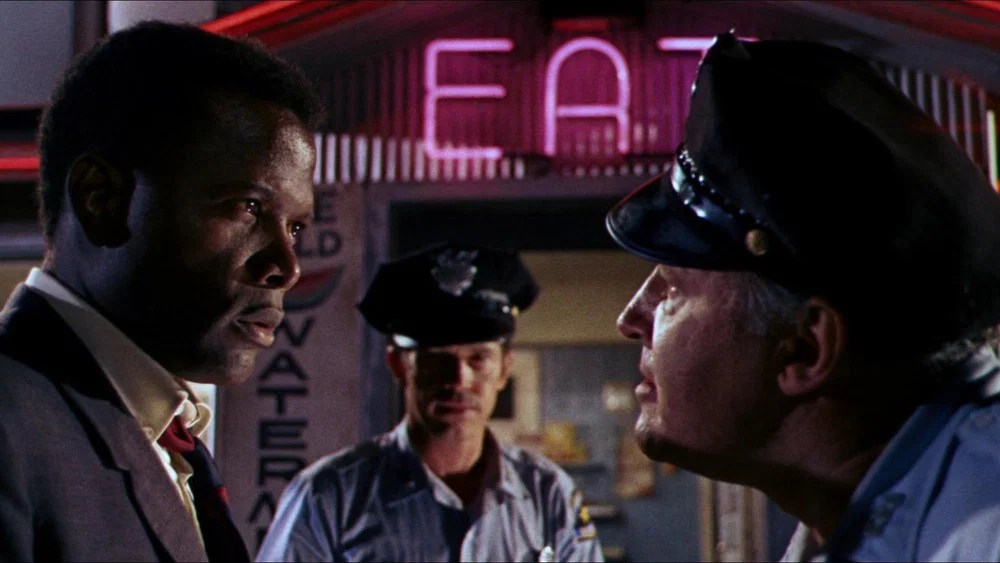
Still, In The Heat of the Night likes to pretend that racism only exists between people, and not a multitude of factors, like in institutions, complex historical trauma, and how anti-Black racism isn’t just screaming the N-word at someone. There’s two people that Poitier is playing: the forced-to-be-deferential boy Virgil, and the man they call Mr. Tibbs. Many white people in this film refer to Virgil as “boy,” condescendingly placing him on a lower position compared to the rest of the “respectable” folk. Since most of the scenes take place within the purview of the police, we only see the Mr. Tibbs side hiding under a calm exterior. Mr. Tibbs is not a Black man, but a police officer forced to be a Black man. It is admirable that the police officers start to respect Mr. Tibbs as a fellow officer first, but the film seems to posit that that is what the audience should be focusing on. That character should be more important than race. Which it should be, I agree.
But that doesn’t mean race doesn’t matter.
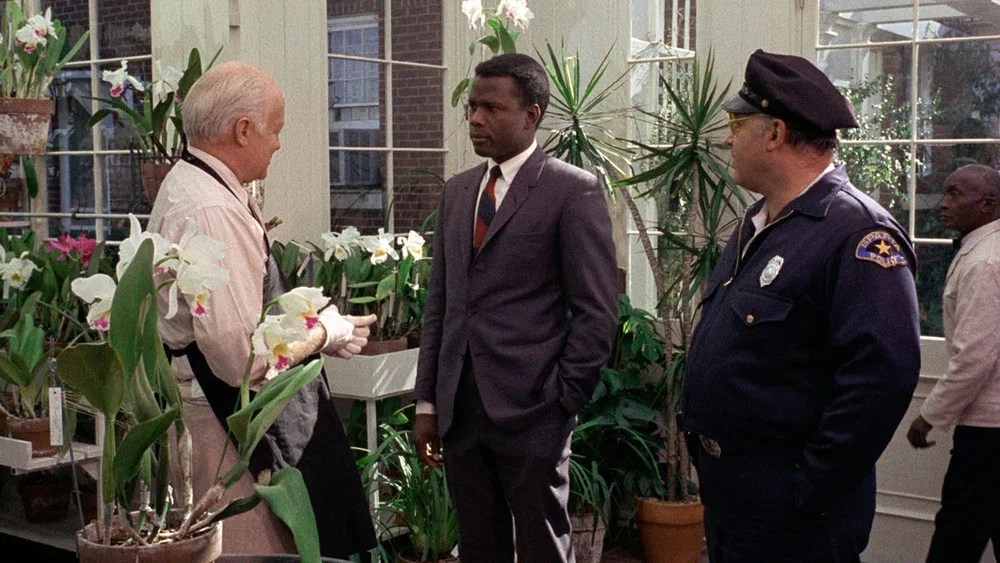
We get brief glimpses of the broader town of Sparta, and we see lonely Black children on the side of a dusty road and a wealthy plantation, where sharecroppers still pick at cotton. Once again, the racial inequality of the town is broached as a topic to tease Mr. Tibbs that he is still Virgil, just another Black man. Yet in a confrontation, Mr. Tibbs reveals himself to be a man capable of hitting another for a racial slur. Racism exists. But this time, it’s two-sided. Virgil apologizes for defending himself against racism. And the film accepts that as a clear answer. Anti-Black racism exists, but so does anti-white racism.
Again, anti-white racism does exist. But anti-Black racism is the problem that is inherent in our systems of power.
The main problem with this film is that it doesn’t address how the dueling characters of Virgil and Mr. Tibbs coexist inside one person. Many Black writers have acknowledged this, from James Baldwin to W.E.B. DuBois to Franz Fanon. But in the world of In The Heat of the Night, Virgil is never allowed to truly exist. Mr. Tibbs is a fantasy of what Black men can be. They can be competent, but they also can’t confront racism directly. They have to be strong enough to withstand discrimination and get the job done, and then they can go on home and deal with it later.
Dammit, this film is so frustrating. Was it fair for its day? Yes. But it tries to tie a beautiful bow without realizing that sometimes, some knots just won’t go away.
FURTHER THOUGHTS
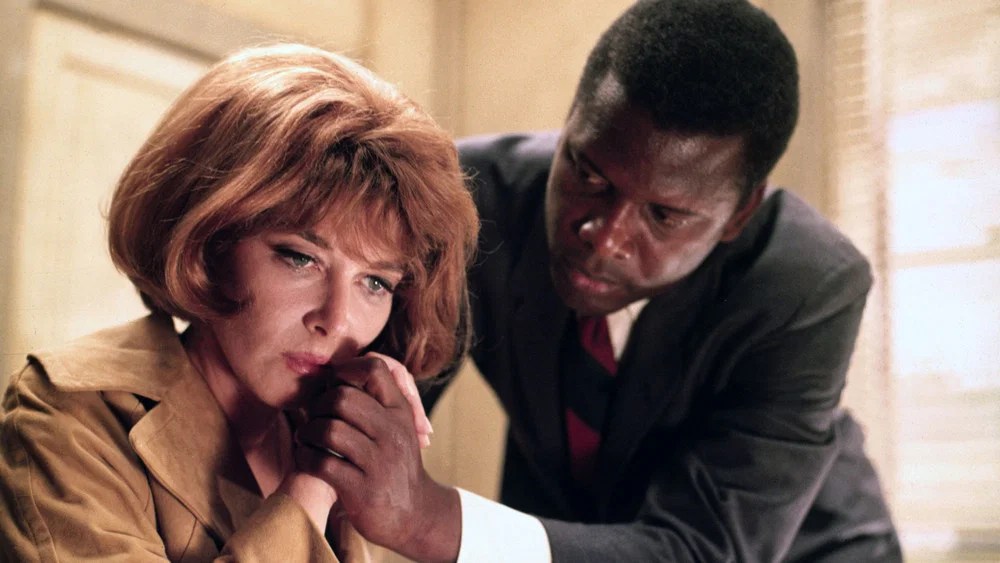
- I wish the dead man’s wife got more screentime.
- I do love how everyone is just consistently hot in this film. Like, each character is on the verge of collapsing from heat stroke.
- I don’t know why, but this film feels like it deserves its own Ethel Cain cover.


 BEYOND THE FRAME
Leave a comment