How do you decide to go home?
This is the main question behind Fatherland, Pawel Pawlikowski’s latest journey into post-WWII ruins of Western and Eastern Europe. Whereas Cold War examined the tumult of exile among a young Polish couple, Fatherland decides to take a more artistic route to explore the experience of exile among German intellectuals who fled in the wake of the Nazi’s rise to power.
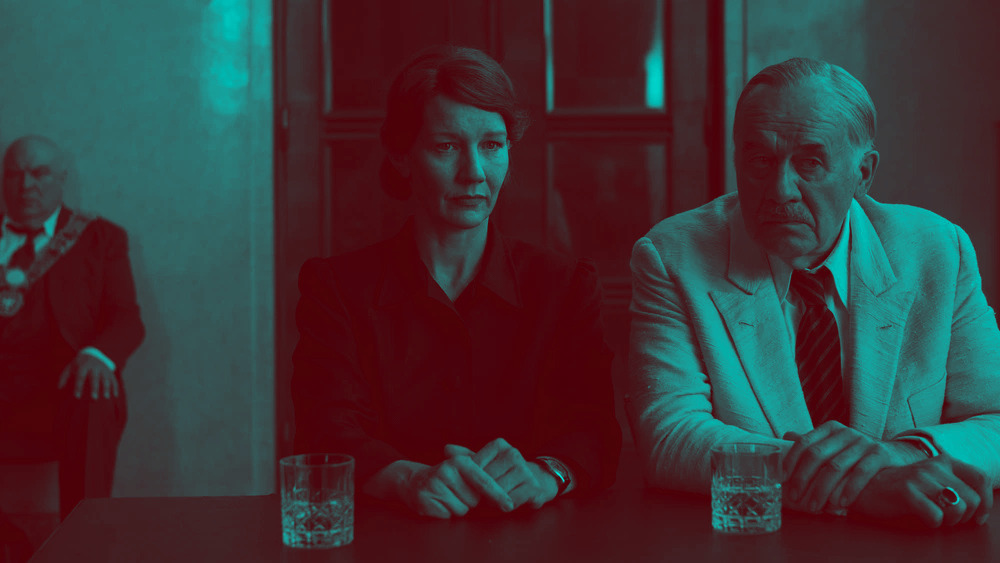
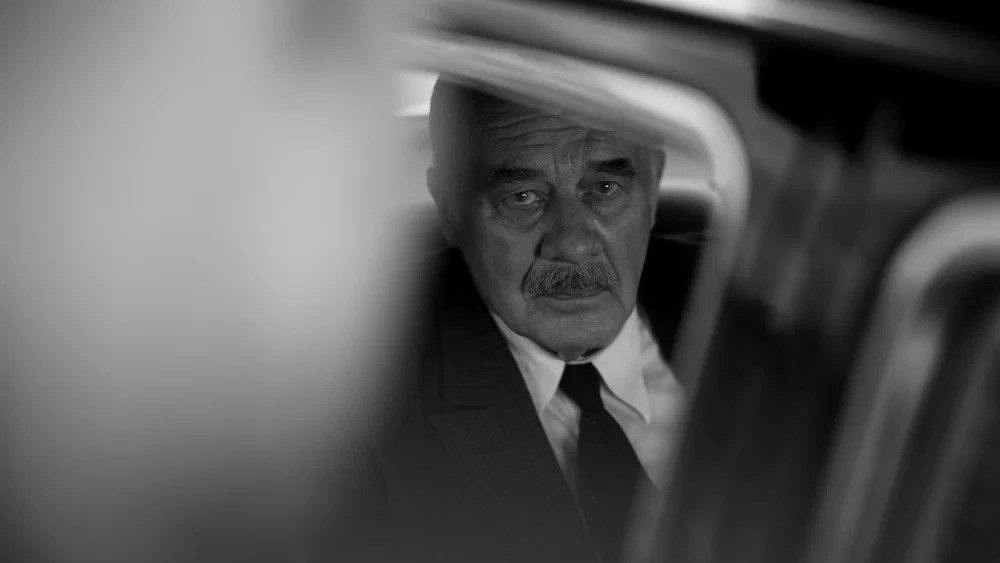
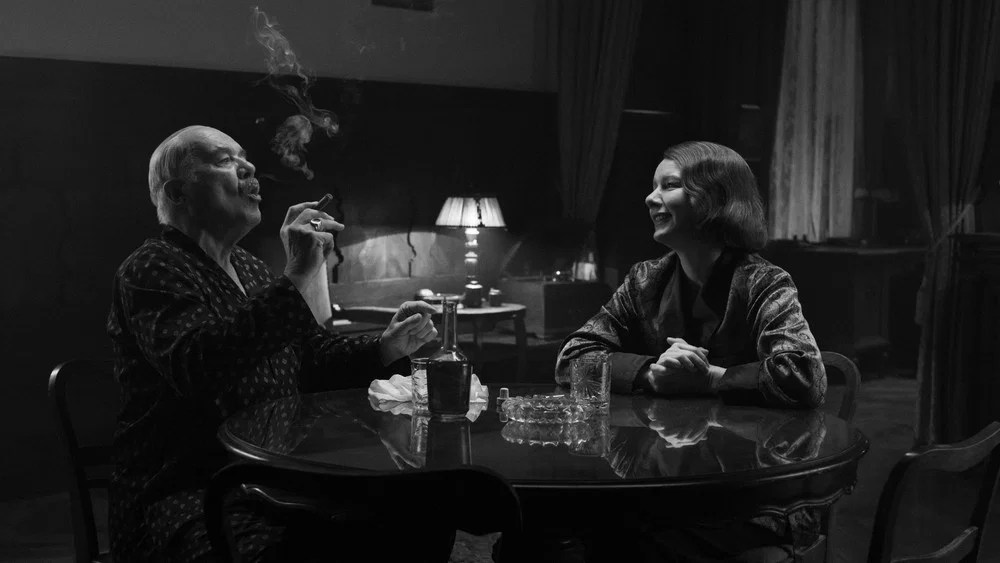
Thomas Mann is an acclaimed literary critic who fled Germany with his family, which includes the golden child Erika and the drugged-out Klaus, in 1933, just as Hitler rose to power. Now that Berlin lies in ruins and Germany is picking up the pieces of a fragile existence, German leaders are welcoming him back with open arms, or so it seems. It quickly becomes clear that the home they once longed to return to is no longer what it once was.
Instead of a country determined to forge its own destiny with a sense of purpose, Germany instead finds itself divided by two drastically different ideologies. Klaus spells it out plainly in the film’s opening: “Stalin or Mickey Mouse?” But for people like Klaus, the fall of Hitler not just represented a fall of German unity, but also a collapse of identity. As much destruction and horrors they left behind, the idea of the Fatherland guided Germans towards what appeared to be a brighter future. Now that future has been rendered moot, they’re left to dig through the ruins to scrounge together whatever philosophy they have left.
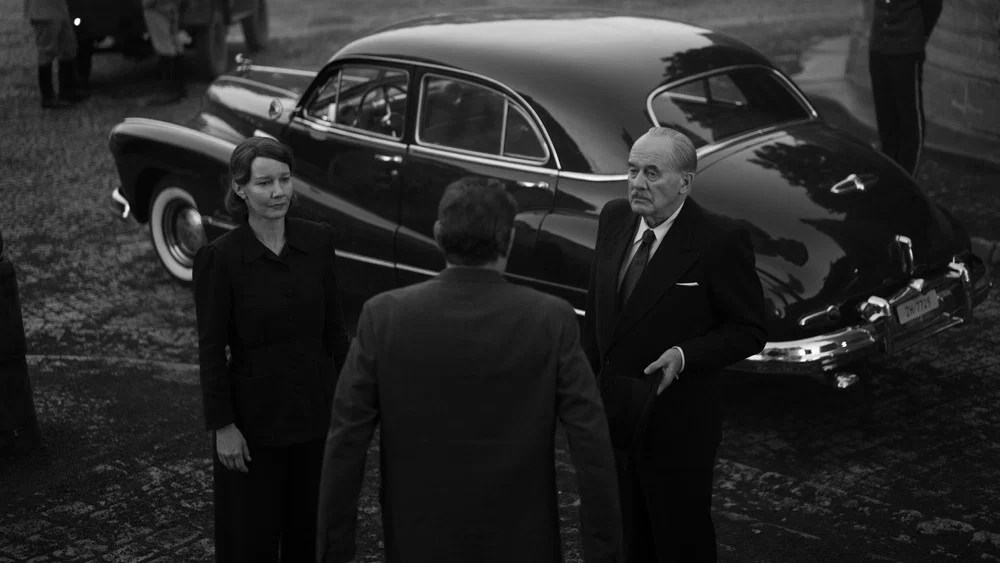
They find in Thomas Mann what appears to be a forgiver of the country’s past. Despite living in exile for over a decade, Thomas still loves his country, and is willing to see that Germany finds it way out of the pits of Nazism. However, Erika isn’t as sure. She’s her father’s assistant, guiding him through Germany on a road trip to American and Soviet leaders alike through the land they used to call home. As Thomas preaches the utopian possibilities of Goethe, free of any political ideology, Erika thinks about the soldiers singing fascist songs in the streets, of the Buchenwald prisoner camp in Weimar, and of how this grand literary tour might jeopardize their current status as US residents in the period of the Red Scare. She’s also thinking about Klaus, whose ghost-like presence haunts the narrative.
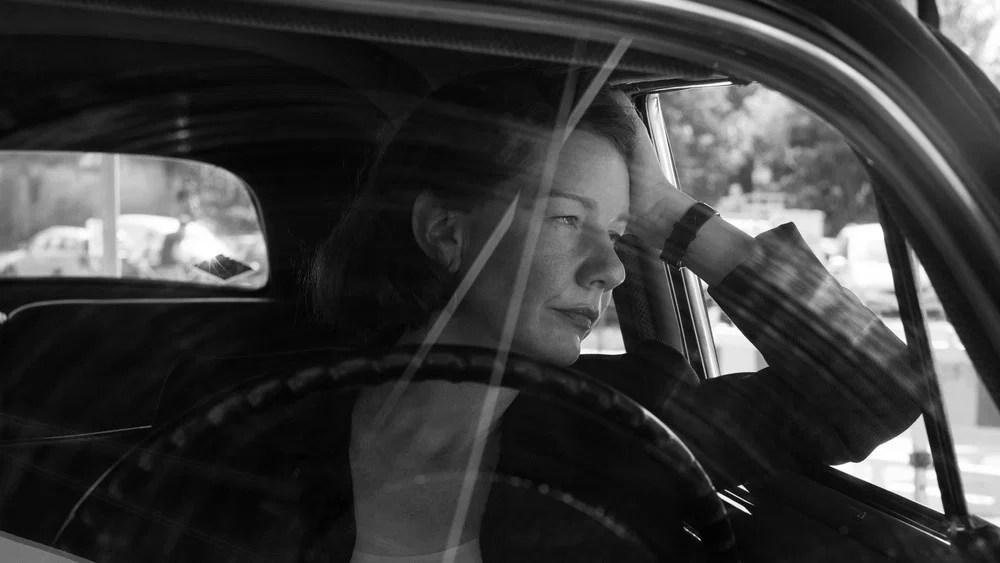
Throughout it all, Sandra Hüller is behind the driver wheel, and she is magnetic. She is pragmatic, calculating, but also sorrowful and barely containing her rage at hearing the fascist songs being played in the streets. When she screams, it is shocking to see her lose her composure. It’s twelve years of bottled-up grief coming out in one second. It’s astonishing to witness.
The road trip format Fatherland takes allows for the ruins of post-war Germany to shine. In their desolate state, Pawel Pawlikowski invites us to simply observe, rather than to pin any political meaning onto any of them. These statues and monuments used to mean something, and now they are gathering dust. As Erika starts to question her relationship to her father, she finds herself walking through a garden where statues lie behind trees, covered in moss. They look at first like decaying corpses, but there’s something beautiful in their apparent decomposition. Even amidst drastic social change in meaning, these statues continue to be sources for new life to grow.
Fatherland also uses music to great effect, especially military anthems used to boost morale in the war. Depending on what side of Germany they are on, Thomas and Erika find themselves listening to jingoist American songs or Soviet military choirs on the radio. Although both sides of the Iron Curtain have a sense of purpose to them, they leave the intellectual father-daughter duo at a loss. How can Thomas continue to preach utopia through art when art appears to have been completely consumed by ideology?
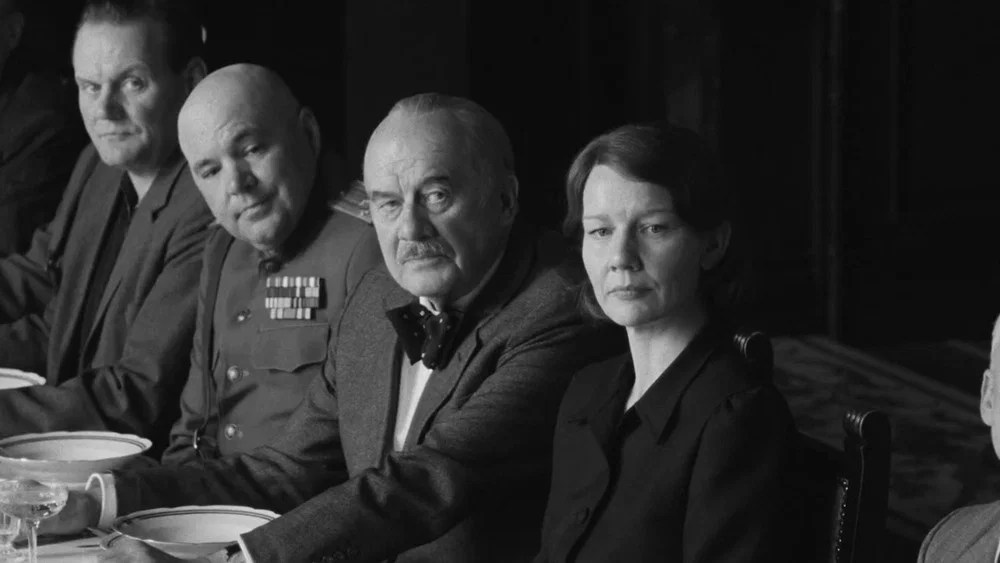
While Fatherland does struggle to balance the personal and the political at times, it doesn’t fail in representing how the fall of one dark age can precipitate the rise of a better one. As Thomas Mann gives his speech, an audience of Soviet generals yawns back. However, a group of young intellectuals find themselves enthralled. Utopia through art seems like a product of a bygone era, but Pawel Pawlikowski makes it clear that older figures don’t earn their esteem through age alone. They do it because their work transcend generations and politics.
I found myself profoundly moved by Fatherland. I wouldn’t consider myself very religious, but I’ve found myself having a greater respect for people who believe in higher powers in today’s crazy world. Whether it’s God or something else, it’s amazing to see that people still have bedrocks they can cling to. To wake up with a sense of purpose every morning should be celebrated. And that’s what helped make Fatherland such an interesting watch. It’s not just about post-WWII Germany, but it’s about where we want to go next. Sometimes, to find new paths forward, we must pay respect to the old ruins and the deities people used to worship.
FURTHER THOUGHTS
- We need to bring 1940s women’s pantsuits back.
- Thomas Mann delivers one of the sickest “your mother” jokes in this one.
- Once again, Pawel Pawlikowski’s DPs pull of cinematic magic. They manage to make a literary hall into a living organism.


Leave a Reply