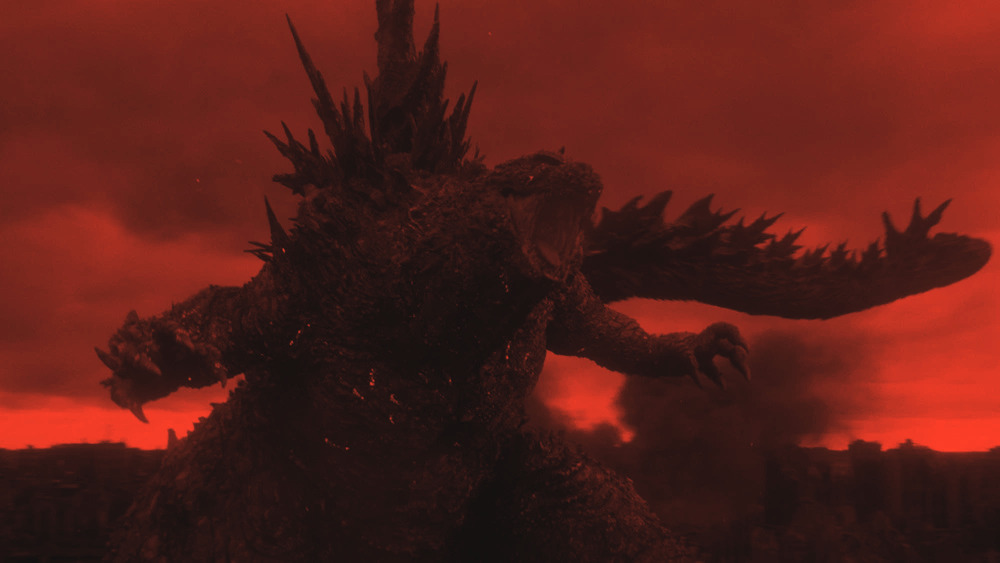
He’s back, ladies and gentlemen!
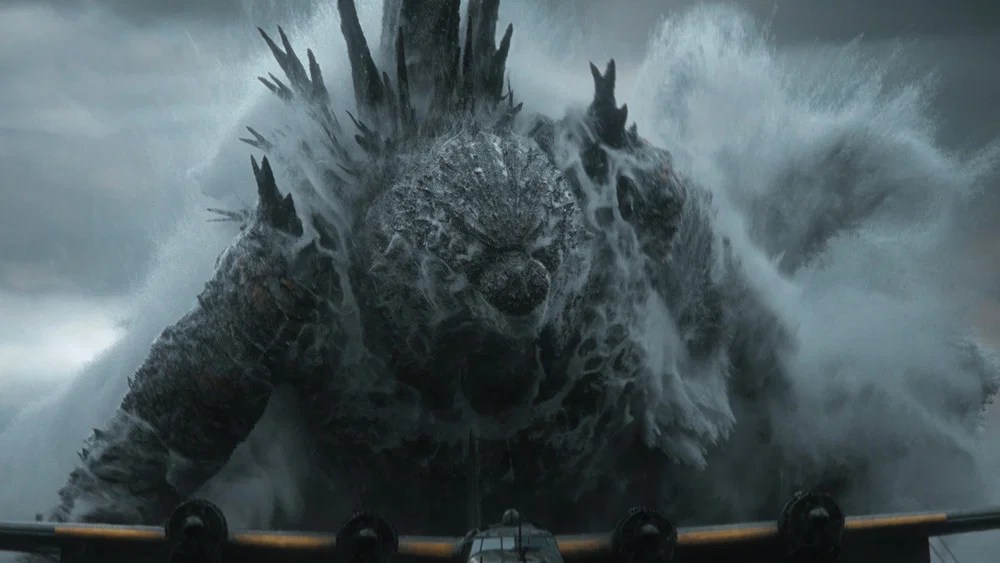
It’s only been three years, and Godzilla Minus One didn’t necessarily need a sequel. Yet it happened. Set a couple of years after Godzilla reduced a significant part of post-war Japan to rubble, the famous kaiju finds himself reawakened to fight a familiar formidable foe: Ghidorah. This time, no punches will be pulled. Cue the operatics, strap yourselves in, because this time there’s no going back.
So did it hold up? Okay, yeah, it did.
There’s no denying that Minus Zero isn’t Minus One. The more I think about it, the more I think it’s pointless to compare sequels and originals. Regardless of whether you take more risks or less, people are always going to end up liking one or the other, so it’s better to appreciate a film as its own organism rather than as a conjoined twin of the original. On its own, I think Godzilla Minus Zero towers as one of the most impressive action flicks of the year, and that’s not just because of its themes, but also because of how it weaves those themes into the action.
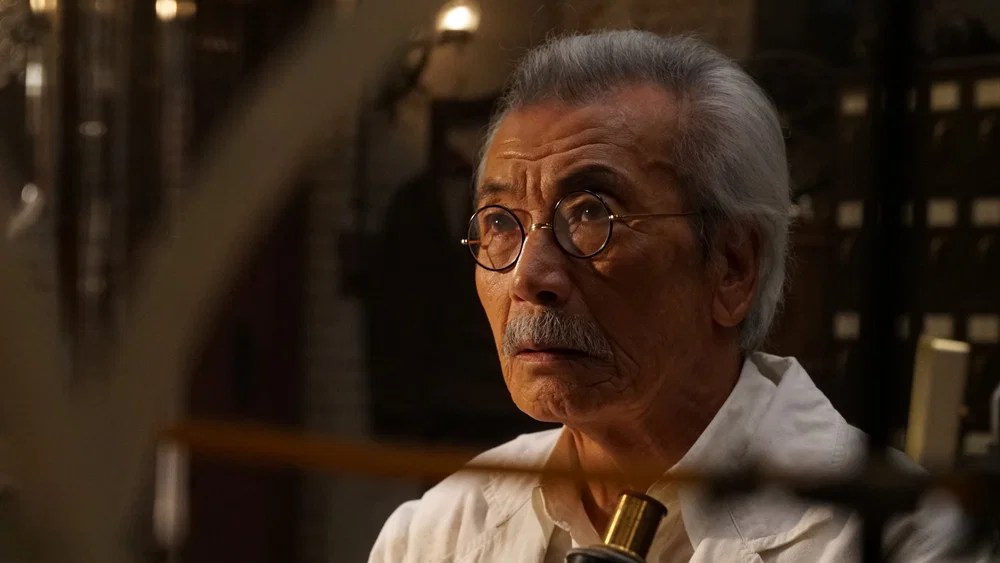
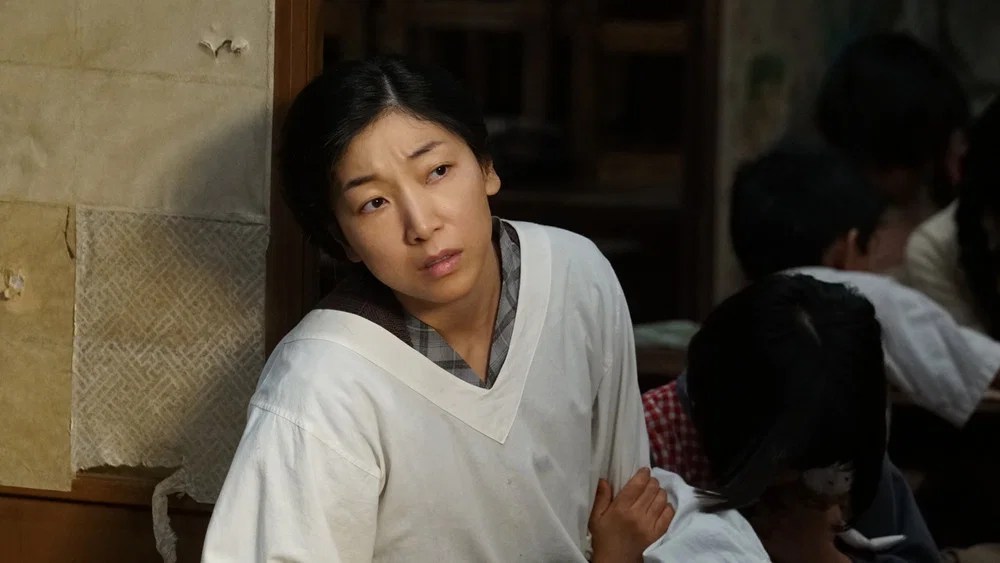
Shikishima and co. are back, and while they’ve rebuilt their lives, they can’t get back what they’ve lost. Some of Shikishima’s survivor’s guilt still lingers. He and Noriko are newlyweds trying to parent Akiko, but they’re torn between telling her about the past while keeping her innocence intact. As Dr. Noda tries to combat Ghidorah, he struggles again with the weight of the world on his shoulders, especially as he tries to mentor a young meteorologist with a nasty tendency to second-guess herself. All the while, Ghidorah and Godzilla are waiting.
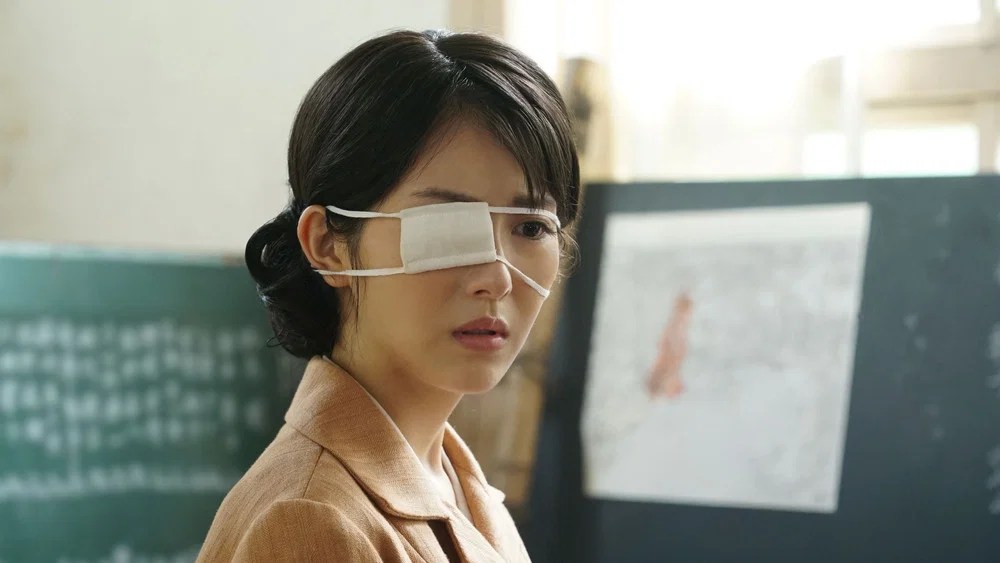
What sets Minus Zero apart from Minus One is how the themes in the first film are expanded upon. If Minus One was about giving Shikishima the will to live again after nearly losing everything in the war, Minus Zero is about channelling that guilt into hope for the next generation. Characters like meteorologist Aoyoma and Shikishima’s daughter Akiko find themselves realizing they are part of a bigger picture, and that their futures aren’t guaranteed. As much as their loved ones can try, they can’t shield them from the real world forever. Shikishima and Noriko can try to turn the radio on and off, but Akiko can still see the destruction, and she’s scared. Aoyoma knows she’s good at predicting storms that could help precipitate Ghidorah’s defeat, but she’s never been in a leadership position before. How does one live with that and try to help the people around you?
Shikishima and Dr. Noda haven’t fully recovered either. They are bolstered by new leadership positions and the comforts that their survival has offered, but they also know that Godzilla’s presence means that they are living in a world that is becoming more and more impossible to predict. If one God-like figure can bring Japan to its knees, are they willing to return to the scene of the crime and retrace familiar steps? Will they risk re-traumatizing themselves and their loved ones to ensure a brighter future?
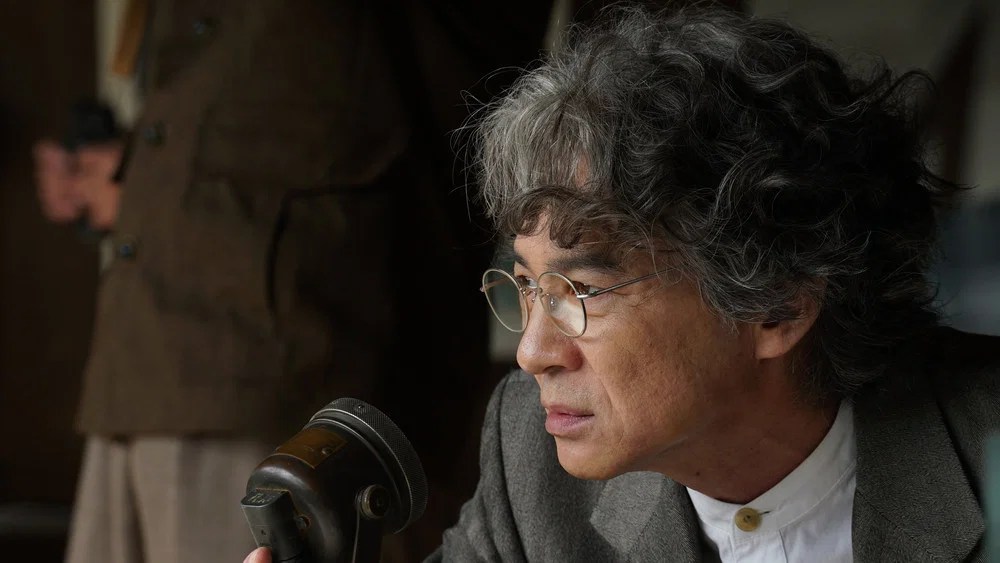
By far, the most compelling character to explore the theme of secondhand trauma is Murakami. At first, you think Murakami is a demure professor, clearly shaken by the war. Through Min Tanaka’s performance, the character transforms from just another survivor of a kaiju attack, to someone that, like Godzilla, has been transformed into something almost ugly through the nuclear bomb. Through hallucinations and one jaw-dropping nightmare sequence, Murakami remains both fascinating and utterly impossible to fully predict. He’s like a darker version of Shikishima that never learned his lesson or tried to recover, and it makes for a truly satisfying character progression.
For me, this film is like going from running a 5k to running a half-marathon. You know what worked for you last time, but you are ready to shed the new skin and adapt. It not only expands underutilized characters like Noriko and Dr. Noda, but it also shrinks the presence of some characters to maintain a more consistently dark tone. More importantly, the kaiju fights feel so much more earned and dramatic. You’re not just witnessing two reptiles fighting, you’re witnessing gods fight among puny men. When it all comes down to it, Godzilla Minus Zero is a film that knows what its identity is, and that what’s make it such a rewarding experience. It’s not pretending to be anything else.
FURTHER THOUGHTS
- There were only three other people with me at the Arlington tonight. I was incredibly disappointed before realizing it was a Monday night.
- I wasn’t expecting to get jump-scared by all the jump cuts to the planes.
- This score was divine. I was giggling like an idiot when Godzilla showed up.





Leave a Reply